
Best cozy games for relaxation usually share one thing: they lower the stakes, slow the pace, and give your brain something pleasant to hold onto when you want to decompress. If you’ve ever opened a “cozy games” list and still felt overwhelmed, you’re not alone, the label covers everything from quiet farming to story-heavy adventures.
This guide narrows it down in a practical way, by mood, time, and how “hands-on” you want the game to feel. You’ll get a quick comparison table, a self-check to match games to your current headspace, and a few setup tips that make relaxing play more likely to actually happen.
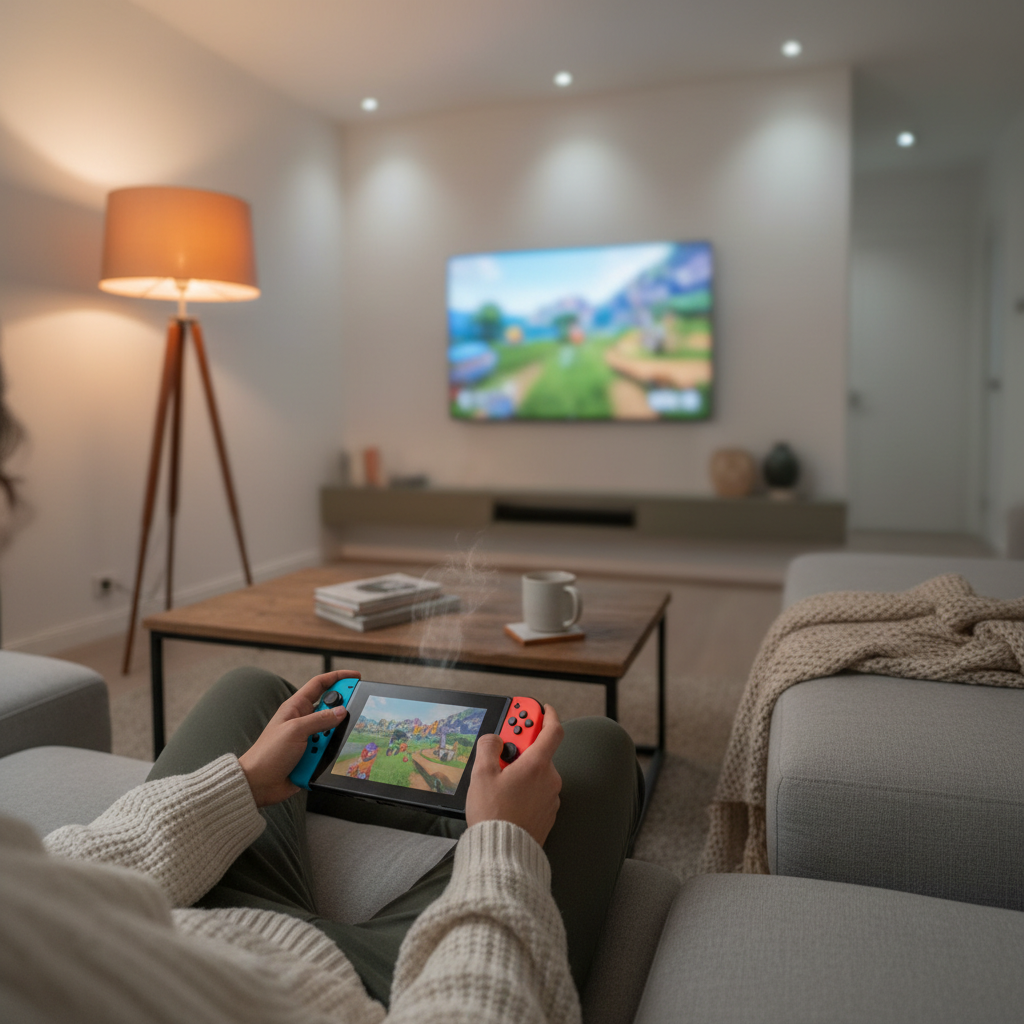
One quick note: cozy doesn’t always mean “easy.” Some games are emotionally intense, some are mechanically deep, and both can still feel comforting, depending on what you need that day.
What actually makes a game “cozy” (and relaxing) in real life
A cozy vibe is more than pastel art and cute characters. The games that help people unwind tend to lean on a few design choices that reduce pressure.
- Low penalty for mistakes: you can experiment without losing big progress.
- Predictable loops: small tasks, gentle rewards, clear routines.
- Flexible pacing: pause-anytime, no strict timers, optional goals.
- Soothing sensory tone: calmer music, softer UI sounds, readable visuals.
- “Safe” challenge: enough engagement to stop rumination, not so much you tense up.
According to the American Psychological Association, stress can affect both body and mind, and many people benefit from activities that support recovery and healthy coping. Games are not a medical treatment, but in many households they function as a practical decompression tool when chosen thoughtfully.
Quick comparison: best cozy games for relaxation by mood
If you want a fast short list, this table groups popular comfort picks by the feeling they’re most likely to support. Think of it as a starting point, not a strict rule.
| What you need right now | Game picks (examples) | Why it tends to feel calming | Best for |
|---|---|---|---|
| Gentle routine | Stardew Valley, Animal Crossing: New Horizons | Daily loops, low-risk progress, cozy tasks | 30–90 min sessions |
| Low-effort tidying | Unpacking, A Little to the Left | Simple interactions, visual order, short levels | 10–30 min sessions |
| Story comfort | Spiritfarer, Coffee Talk | Character warmth, steady pacing, reflective tone | When you want a narrative |
| Flow state | Dorfromantik, PowerWash Simulator | Repetitive but satisfying, “one more turn” calm | Background podcasts |
| Exploration without pressure | A Short Hike, Alba: A Wildlife Adventure | Friendly goals, light movement, uplifting tone | Weekend reset |
Curated list: cozy games that reliably help people unwind
Here are well-known titles that commonly show up in best cozy games for relaxation conversations, with a quick “why it works” angle so you can choose with intent.
Stardew Valley (PC, Switch, PlayStation, Xbox, mobile)
Comfort comes from routine: farm, fish, chat, decorate, repeat. If you’re sensitive to time pressure, the in-game day cycle can feel slightly pushy at first, but many players settle into it once they stop trying to optimize.
Animal Crossing: New Horizons (Switch)
This one leans hard into gentleness: slow progress, friendly neighbors, and decorating that can soak up attention without feeling demanding. It’s also great when you want “relaxing” to mean social, trading and visiting islands can feel like low-stakes connection.
Unpacking (PC, Switch, PlayStation, Xbox)
A quiet, room-by-room unpacking puzzle that scratches the “put things where they belong” itch. It’s short, easy to pick up, and often works well for people who want calm without committing to a big world.
A Little to the Left (PC, Switch, PlayStation, Xbox)
Organizing puzzles with a playful, slightly mischievous vibe. If perfectionism is part of your stress pattern, this can be soothing or irritating, it depends on whether you can treat it like a toy, not a test.
Dorfromantik (PC, Switch, PlayStation, Xbox)
Tile-laying landscapes that invite a gentle “flow” mindset. Many people use it the way they’d use a calming board game, one move at a time, with soft visuals and minimal friction.
Spiritfarer (PC, Switch, PlayStation, Xbox)
Warm, beautiful, and emotionally heavier than most cozy picks. It can be deeply comforting, but if you’re in a fragile mood, consider spacing it out.
Coffee Talk (PC, Switch, PlayStation, Xbox)
A visual-novel style café with mellow music and character conversations. It’s “cozy” in the same way a late-night diner feels cozy, not busy gameplay, more atmosphere and storytelling.
A Short Hike (PC, Switch, PlayStation, Xbox)
A small exploration game that respects your time. It’s cheerful, light, and surprisingly restorative when you want a complete experience without a huge backlog commitment.
PowerWash Simulator (PC, Switch, PlayStation, Xbox)
Oddly relaxing for many people because it’s clear, repetitive progress. If your brain wants something concrete after a chaotic day, this kind of “visible improvement” loop can feel grounding.
Self-check: how to pick the right relaxing game tonight
A lot of “cozy game disappointment” comes from choosing the wrong type for your current state. Try this quick checklist before you download anything.
- If you feel mentally tired, prefer short sessions, simple controls, and clear objectives (Unpacking, Dorfromantik).
- If you feel emotionally raw, avoid heavy story beats and choose lighter exploration or decorating (A Short Hike, Animal Crossing).
- If you feel restless, choose gentle action or active tasks that keep hands busy (PowerWash Simulator).
- If you feel lonely, consider friendly NPC communities or low-stakes multiplayer (Animal Crossing trading, co-op cozy titles).
- If you feel stuck in your head, pick something with “flow” repetition and soft feedback (Dorfromantik).
Key point: the best cozy games for relaxation are the ones that match your energy, not the ones everyone else swears by.
Practical setup tips that make cozy gaming actually relaxing
People often blame the game when the real issue is context, notifications, posture, noise, or the “I should be doing something else” feeling in the background.
Make sessions smaller than you think you need
Set a timer for 20–40 minutes for your first week. You’re training your brain to associate the game with relief, not with another endless scroll.
Turn off friction: sound, brightness, and notifications
- Lower brightness a notch, especially at night.
- Use headphones only if they feel calming, some people relax more with speakers at low volume.
- Put your phone on Focus mode so a single stressful ping doesn’t undo the whole vibe.
Choose “no-fail” goals
Instead of “finish three quests,” try goals like “decorate one corner,” “walk around town,” or “clean one level.” It sounds silly, but it keeps the activity restorative.
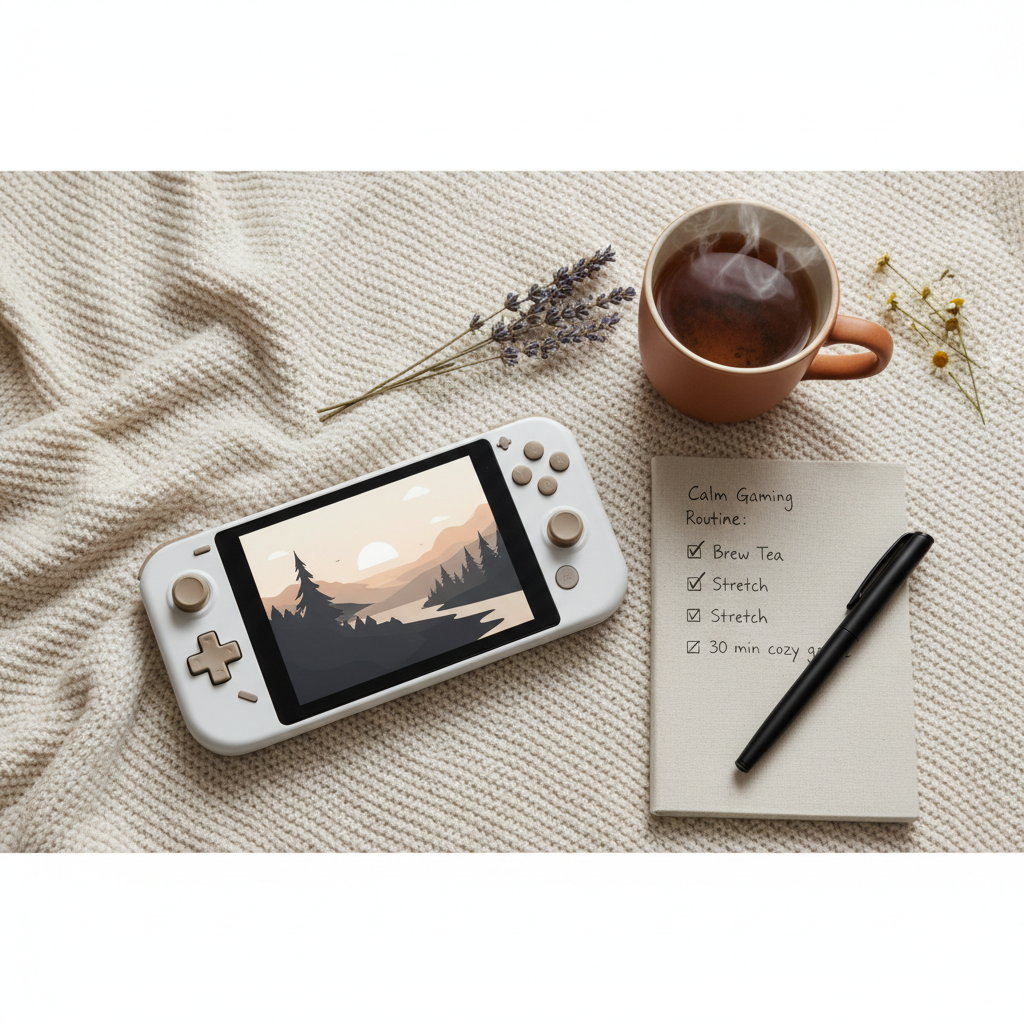
Common mistakes that make “cozy” feel stressful
These are patterns that show up a lot when someone says they tried relaxing games and it didn’t work.
- Turning it into optimization: min-maxing Stardew Valley or treating decorating like a performance can quietly raise your stress.
- Buying too many games at once: choice overload is real, one or two titles is usually plenty.
- Playing when you’re already dysregulated: if you’re panicky or very overwhelmed, a screen might not be the right first step, consider a short walk, water, or breathing, and come back.
- Ignoring accessibility options: motion blur, camera shake, tiny text, any of these can create tension.
When cozy games aren’t enough (and what to do instead)
Cozy play can support relaxation, but it can’t cover every situation. If stress or anxiety starts to feel persistent, affects sleep most nights, or interferes with work or relationships, it may help to talk with a licensed mental health professional. According to the National Institute of Mental Health, anxiety disorders are common and treatable, and seeking support can be a practical step rather than a last resort.
If you’re deciding in the moment, a simple rule helps: when a game stops feeling soothing and starts feeling like avoidance or agitation, pause and switch to something more regulating, a shower, a short stretch, a call with a friend, or journaling for five minutes.
Conclusion: build a small, repeatable calm routine
Finding best cozy games for relaxation is less about chasing a perfect title and more about matching the game to your mood, then removing the little frictions that keep you on edge. Pick one game for “tired nights” and one for “restless nights,” keep sessions short at first, and give yourself permission to play in a low-effort way.
If you want an easy next step, choose one game from the table, set a 30-minute timer tonight, and stop while it still feels good, that’s how cozy habits stick.
FAQ
What are the best cozy games for relaxation if I only have 15 minutes?
Look for short-loop games like Unpacking, Dorfromantik, or quick puzzle organizers. They deliver a “finished something” feeling without needing long focus.
Are cozy games good for anxiety?
They can be helpful as a coping tool because they offer distraction and gentle structure, but results vary by person and by day. If anxiety feels intense or persistent, it’s worth discussing with a professional.
What cozy games feel relaxing but still have goals?
Stardew Valley and Spiritfarer both offer clear progression while staying relatively gentle. The trick is setting your own pace, not chasing efficiency.
I get stressed by timers, what should I avoid?
Avoid games with strict countdowns or punishing fail states. Even in cozy titles, watch for day-night cycles or deadlines, if that triggers you, choose puzzle or exploration games with pause-anytime pacing.
Which cozy games are best on Nintendo Switch for winding down?
Animal Crossing: New Horizons, A Short Hike, and Unpacking are common go-tos. Switch also makes it easier to play in bed or on the couch, which can matter more than people expect.
Can I make a “not cozy” game more relaxing?
Sometimes, yes. Lower difficulty, turn off competitive modes, reduce camera shake, and set a short session limit. If the core loop still spikes your heart rate, it might not be your relaxation game.
What if cozy games make me feel unproductive or guilty?
That’s a real barrier. Try reframing play as a brief recovery activity, like a shower or a walk, and keep it time-boxed so your brain trusts it won’t swallow the evening.
If you’re trying to find a calmer nightly routine and want a more “no guesswork” approach, it often helps to keep a short list of best cozy games for relaxation by mood, then rotate based on energy instead of buying new titles every time you feel off.