
best vr indie games 2026 is a search you type when the store pages all start to look the same, trailers overpromise, and you just want something that feels fresh without wasting money or stomach comfort.
Indie VR is where a lot of the interesting ideas land first, but it also comes with uneven polish, early-access quirks, and comfort settings that vary wildly by headset and player tolerance. If you only buy one or two games a quarter, those differences matter.
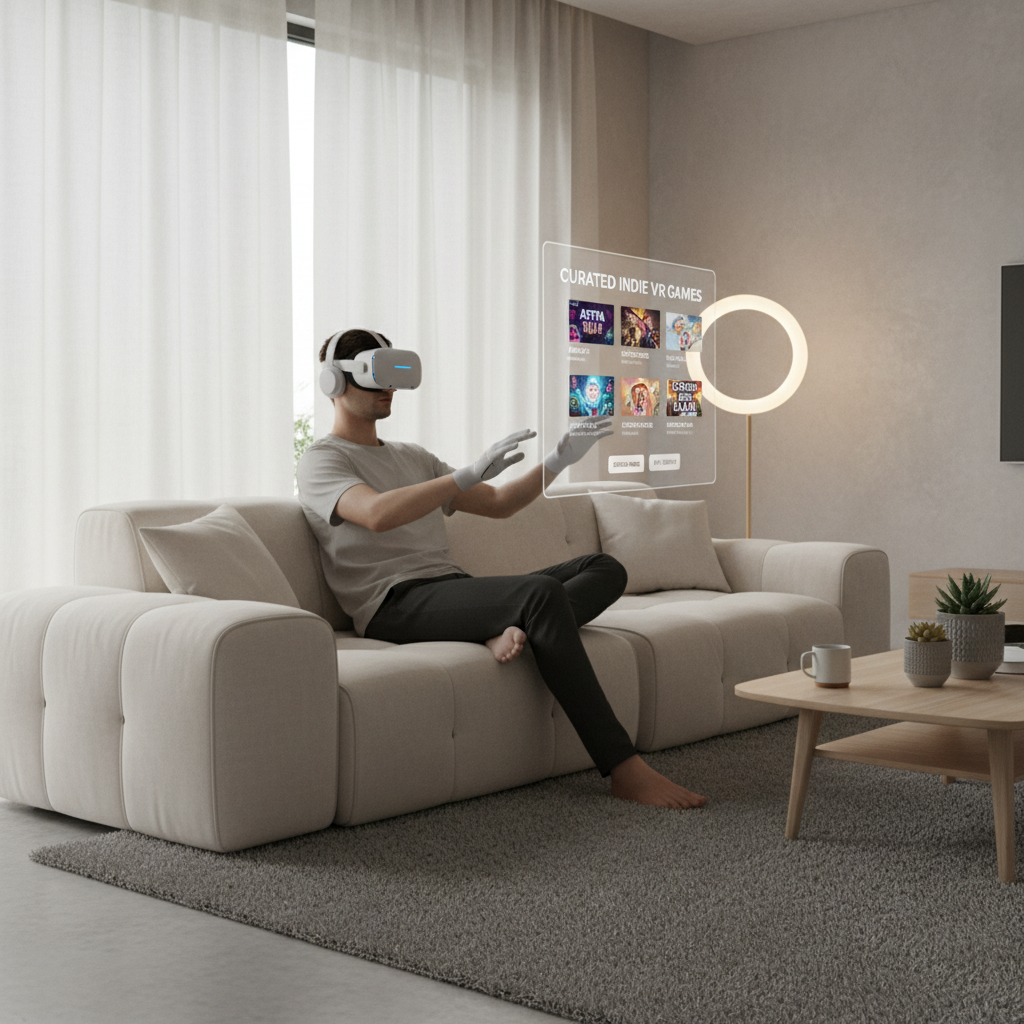
This guide focuses on how to choose, not just how to hype. You’ll get a practical shortlisting method, a comparison table, and a few “buy this if you like that” pairings that match real play habits.
What “best” actually means for VR indie games in 2026
In flat games, “best” often means reviews plus raw content hours. In VR, the deal-breakers are different: comfort, interaction quality, and whether the game respects your play space.
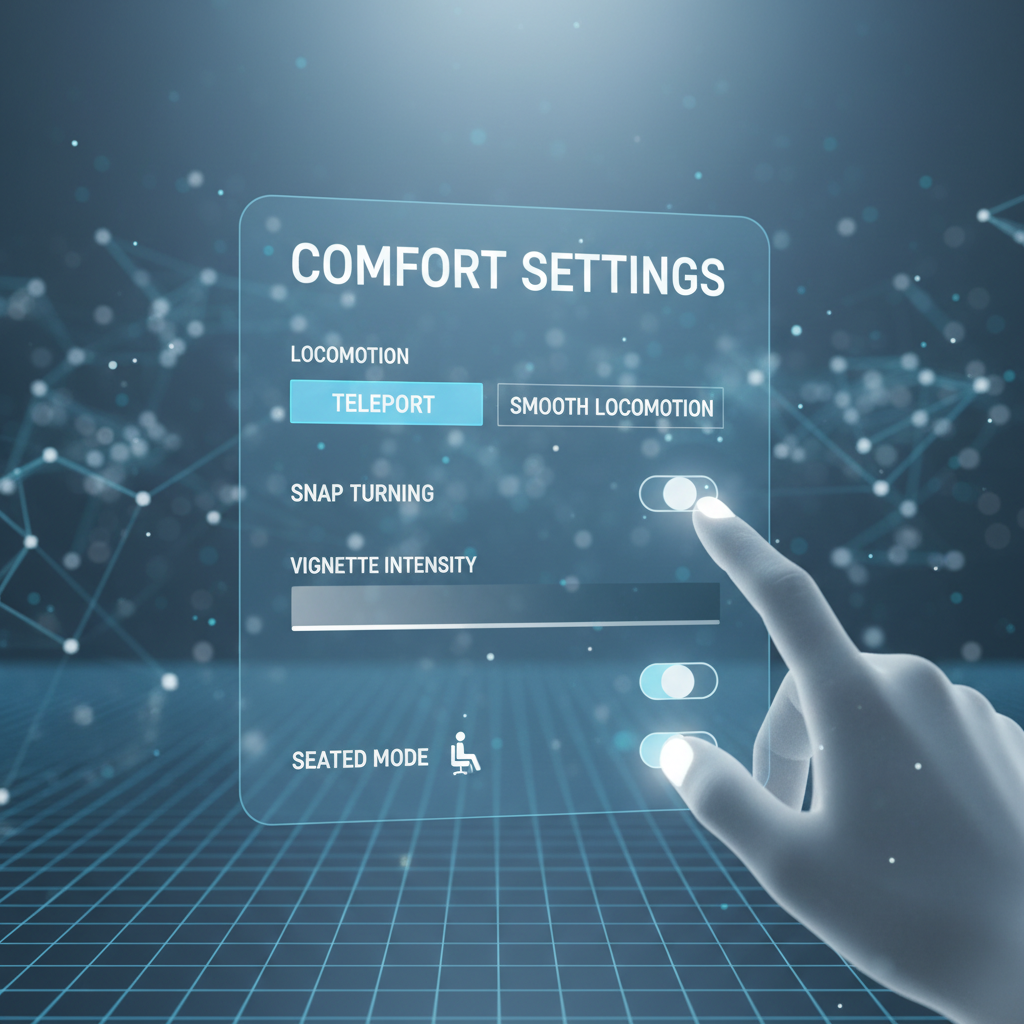
- Comfort profile: smooth locomotion vs teleport, snap turn options, vignette, seated mode, left-handed support.
- Interaction fidelity: believable grabbing, two-handed tools, physics that feel consistent, readable UI at headset resolution.
- Session fit: 15-minute bursts vs 2-hour runs, roguelike loops vs narrative chapters.
- Performance headroom: stable frame pacing matters more than flashy shaders.
According to Meta (Meta Quest’s comfort guidance and best practices), comfort settings and player control options are key to reducing discomfort for many users, so games that expose those settings tend to be easier to recommend across a wider audience.
A curated shortlist: standout types you’ll likely want in your library
Because “best vr indie games 2026” spans too many genres, it helps to think in buckets. Below are categories that have consistently produced strong indie experiences, plus what to look for so you can spot winners fast.
1) Room-scale puzzlers that reward hand presence
Look for games where your hands are the interface, not just controller buttons. The best ones make you forget there’s a menu at all, and they include seated/standing calibration that doesn’t fight your space.
- Strong signs: diegetic UI, clear object affordances, forgiving collision, hint system you can toggle.
- Red flags: tiny interactables, forced crouching, puzzles that require a large playspace with no alternatives.
2) “Comfort-forward” action with smart locomotion
Action indies often win by making movement feel optional. Good design lets you play aggressively while still choosing teleport, dash, or smooth move with comfort assists.
- Strong signs: snap turn increments, speed sliders, one-handed mode, weapon holsters that actually line up.
- Red flags: mandatory smooth turning, camera effects you can’t disable, cutscenes that yank your viewpoint.
3) Co-op and social party indies that respect voice and time
Not every multiplayer indie needs a sweaty ranking ladder. The best co-op VR indies keep sessions short, make voice chat painless, and avoid “lobby simulator” vibes.
- Strong signs: quick match flow, drop-in/drop-out support, private rooms, accessibility options.
- Red flags: long pre-game setup, confusing invites across platforms, heavy reliance on public lobbies.
Quick comparison table: how to pick faster (even without spoilers)
If you’re scrolling store pages, you can still make a decent call using a few traits that correlate with a better experience. Here’s a lightweight way to compare candidates.
| What you care about | Look for on the store page | Usually a good sign | Common trap |
|---|---|---|---|
| Comfort | Comfort rating, locomotion options | Teleport + smooth + snap turn all supported | Only “smooth locomotion” with no toggles |
| Interaction | Gameplay clips, not cinematic trailers | Hands doing work: grabbing, reloading, crafting | Mostly cutscenes, minimal hand gameplay |
| Longevity | Modes, run variety, modifiers | Daily challenges, procedural levels, unlocks | One-and-done campaign with no replay hooks |
| Performance | Platforms supported, patch cadence | Recent updates, clear platform targets | Big promises, vague roadmap, old build notes |
| Value | Expected session length and loop | Great in 20–40 minute sessions | “Endless” claims but repetitive content |
Self-check: which “best VR indie” type are you, really?
This part saves money. A lot of disappointment comes from buying a great game that fits someone else’s play style. Pick the statements that feel like you.
- I get motion-sick easily: prioritize teleport, cockpit/standing-stationary games, and generous comfort menus.
- I want a workout vibe: look for rhythm, boxing, melee roguelites, and games with clear play boundary support.
- I only play in short bursts: choose run-based roguelites, score-chasers, and episodic narrative indies.
- I play to hang out: co-op puzzle/action, party minigames, and social experiences with private rooms.
- I love tinkering: physics sandboxes, builders, and “systemic” sims where tools combine in surprising ways.
If you’re shopping the best vr indie games 2026 lists and you can’t decide, your comfort tolerance and session length are usually the tie-breakers that matter most.
Practical buying workflow: shortlist, verify, then buy
Here’s a simple flow that works well for indie VR, where marketing polish can outpace day-one stability.
Step 1: Build a 5-game shortlist by category
Pick one from each bucket you actually play: comfort-forward action, puzzler, co-op, narrative, sandbox. Limiting “duplicates” keeps you from buying five variations of the same loop.
Step 2: Verify three things before you click purchase
- Comfort toggles: snap turn, movement style, seated mode. If it’s not mentioned anywhere, dig into reviews.
- Recent support: patch notes, dev updates, or active community posts.
- Your setup fit: room-scale requirement, play area size, controller tracking expectations.
Step 3: Use a “first 30 minutes” test
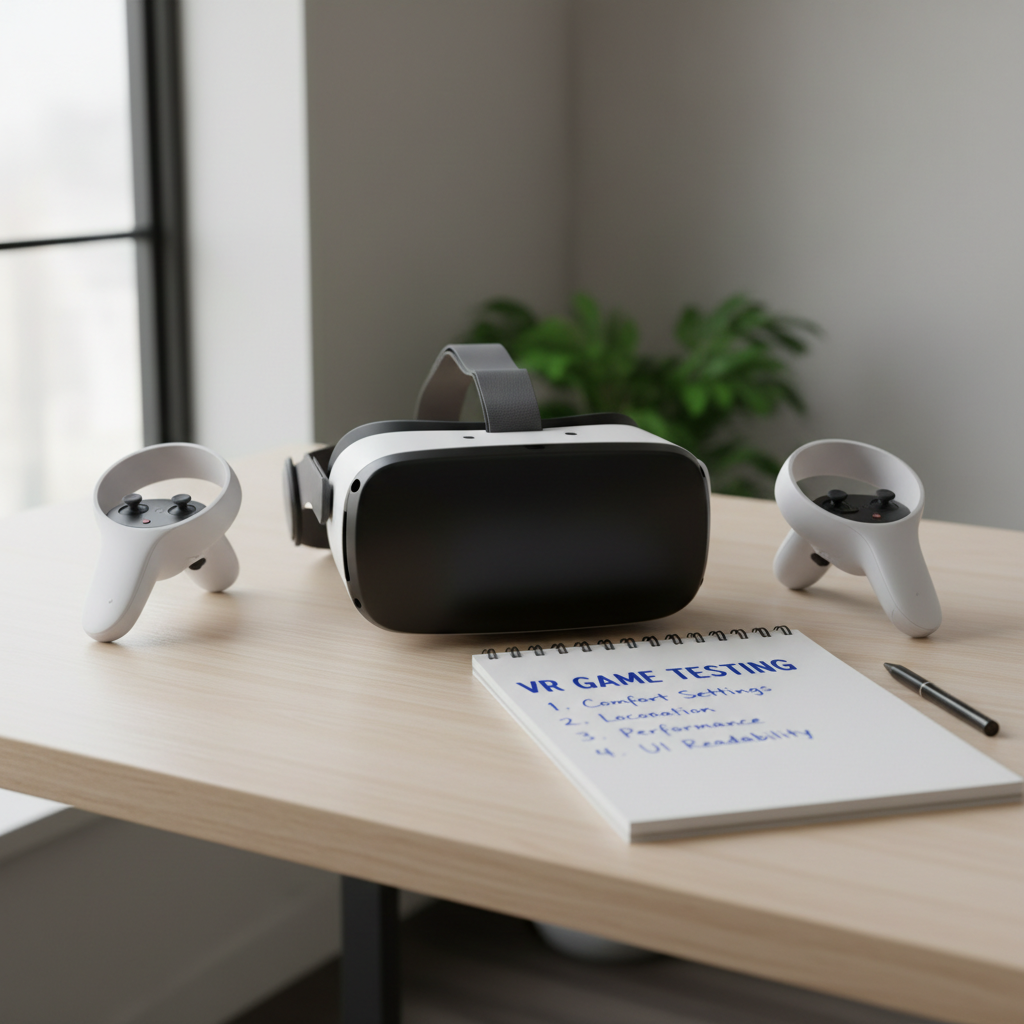
Within your first session, focus on locomotion feel, UI readability, and whether interactions match what the trailer implied. If it’s friction city early, it rarely improves later unless you enjoy troubleshooting.
Common mistakes when chasing indie VR “hidden gems”
Some mistakes are predictable, and they show up every year when people hunt for the next big thing.
- Buying on concept alone: cool idea, rough hands-on feel. VR needs tactile polish to stay fun.
- Ignoring comfort labels: “Intense” doesn’t mean “bad,” but it does mean you should expect stronger motion cues.
- Assuming cross-play: even in 2026, platform ecosystems and store versions can differ, so verify before coordinating with friends.
- Overvaluing hour counts: a tight 4-hour VR game can feel more satisfying than a padded 20-hour loop.
According to Steam (SteamVR and Steam store features), user reviews and recent update notes can be useful context, but they’re still snapshots of different hardware setups, so treat them as signals rather than guarantees.
Comfort and safety: keep sessions fun, not miserable
VR discomfort varies a lot by person, headset fit, and even what you ate. If you’re sensitive, treat comfort options as essential features, not “nice to have.”
- Start with shorter sessions, take breaks, and stop if you feel nauseated or dizzy.
- Prefer snap turning and teleport at first, then ease into smooth locomotion if you want to.
- Make sure your play area boundaries are set correctly, and clear nearby obstacles.
If you have a medical condition that could be affected by VR use, or you experience persistent symptoms, it’s sensible to consult a medical professional.
Key takeaways + a simple action plan
Key points: The best picks in indie VR usually combine comfort controls, great hand feel, and a loop that matches your real schedule, not an imaginary weekend you never get.
- Choose by comfort profile and session length before genre hype.
- Use the table to compare store candidates quickly, then verify support and settings.
- Run a “first 30 minutes” test so you keep only what feels good in-headset.
If you want to find the best vr indie games 2026 for your specific setup, make a shortlist of five, filter by comfort needs, and buy one at a time so you can evaluate without buyer’s remorse.
FAQ
What counts as an “indie” VR game in 2026?
Usually it means a small or mid-sized studio shipping without a big publisher-driven budget, though lines blur. In practice, “indie” matters less than whether the game gets consistent updates and has solid comfort options.
Are the best VR indie games in 2026 mostly on Quest or PC VR?
Both can be strong, but they differ. Quest often favors optimized, pick-up-and-play design, while PC VR indies sometimes push heavier physics or visuals, assuming your hardware can handle it.
How do I avoid motion sickness when trying new VR indie releases?
Start with teleport and snap turning, keep sessions short, and stop at the first sign of discomfort. Many games let you tune vignettes and acceleration; those sliders can make or break your experience.
Should I trust review scores for indie VR games?
They help, but VR reviews can reflect wildly different setups and comfort tolerance. Read a few recent reviews focused on performance, comfort settings, and bugs, not just overall enthusiasm.
What are good signs an indie VR game will keep improving?
Clear patch notes, active issue tracking, and a dev presence that talks specifics instead of vague promises. A small team can still be reliable if they communicate well.
Is early access worth it for VR indies?
It can be, especially if you enjoy giving feedback and can tolerate rough edges. If you mainly want a polished weekend experience, waiting for a few update cycles is often calmer.
How can I tell if a VR game supports seated play?
Look for “seated mode,” “accessibility,” or “comfort” sections on the store page, then confirm via recent reviews or patch notes. If it’s unclear, assume room-scale may be expected.
If you’re trying to build a small, reliable VR library rather than endlessly experimenting, a curated shortlist plus a comfort-first filter is the most “boring” approach, and it’s also the one that tends to work.