
best vr baby sim 2026 searches usually come from one of two places, you’re curious if VR “parenting” sims are actually any good now, or you need a specific experience for training, education, or content creation and don’t want to waste money on a gimmick.
The tricky part is that “VR baby sim” can mean very different things, a cozy caregiving game, a realistic infant-care training module, or even a sandbox with modded baby avatars. If you don’t sort that out early, you’ll end up judging the wrong product by the wrong standard.
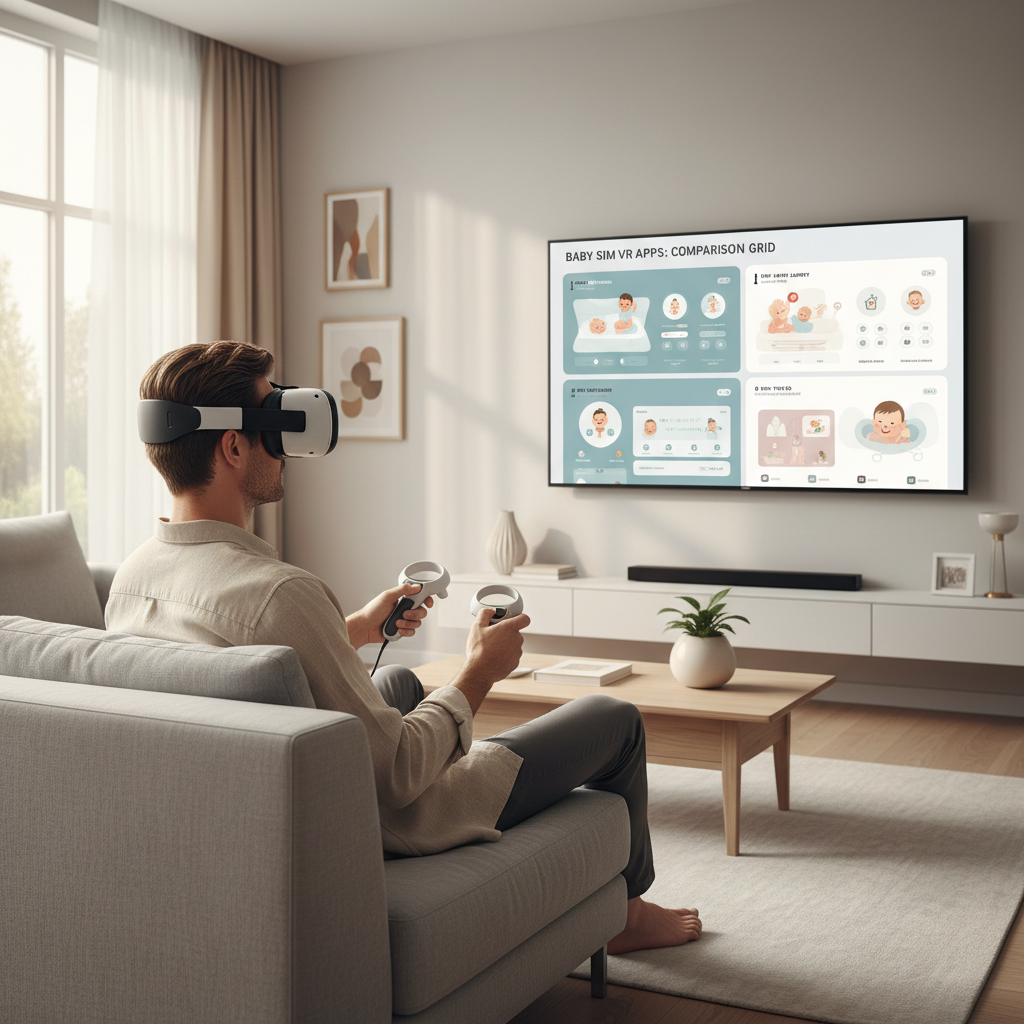
This guide helps you choose based on your use case, your headset, and your tolerance for “gamey” vs. realistic interactions. You’ll also get a quick checklist, a comparison table, and setup tips that matter more than marketing screenshots.
What “VR baby sim” means in 2026 (and why it matters)
In 2026, most “baby sim” VR experiences fall into a few buckets, and each bucket has different expectations around realism, controls, and comfort.
- Caregiving games: light tasks like feeding, soothing, changing, mini-games, usually designed for fun over accuracy.
- Training-style simulations: step-based scenarios, prompts, scoring, sometimes intended for education settings, often less “cute,” more procedural.
- Sandbox/roleplay worlds: social VR spaces or mod-friendly apps where “baby” is an avatar concept, quality varies a lot.
- Mixed reality caregiving toys: a few experiences blend passthrough with virtual objects, but the baby interaction is still mostly virtual.
If your goal is learning skills, you want repeatable scenarios and clear feedback. If your goal is entertainment, you want physics that feel playful, good voice lines, and low friction controls. Mixing those expectations is where disappointment usually starts.
Quick comparison table: what to look for before you buy
Instead of chasing a single “winner,” use this table to narrow the field. A lot of people searching for best vr baby sim 2026 are really asking, “Which one fits my headset and doesn’t feel awful after 20 minutes?”
| Criteria | Why it matters | Green flags | Red flags |
|---|---|---|---|
| Interaction quality | Baby care is hand-heavy, grabbing, holding, supporting | Two-hand support, stable physics, clear collision | Floaty grabs, random clipping, “teleport to hand” only |
| Comfort & locomotion | You’ll lean, bend, reach, sometimes pace | Roomscale-friendly, snap turn, comfort vignettes | Forced smooth locomotion, frequent camera shake |
| Scenario structure | Training needs repeatability, games need variety | Clear goals, optional hints, replayable routines | Confusing objectives, one-note loop, no feedback |
| Audio + cues | Crying, cooing, and prompts drive decisions | Distinct cues for hunger/diaper/comfort | Same sound for everything, unclear timing |
| Modding/community | Longevity often comes from updates or mods | Active patch notes, responsive dev, safe mod tools | Abandoned store page, broken after headset updates |
| Content boundaries | Baby/child themes need thoughtful handling | Clear ratings, respectful design, strong reporting tools | Edgy shock content, vague moderation, creepy vibes |
Why some VR baby sims feel “off” (common realism and comfort issues)
When people bounce off a baby sim, it’s rarely because the idea is bad. It’s usually one of these friction points.
- Physics that don’t match your brain: a baby model that weighs nothing, bends oddly, or jitters when you lift it can trigger discomfort fast.
- Missing context cues: if the sim doesn’t communicate what the baby needs, you end up random-clicking objects until something works.
- Overly complex hand interactions: finger tracking can be impressive, but in practice you want forgiving grabs and stable holds.
- Motion mismatch: caregivers naturally lean and rotate, while VR locomotion can add nausea if it forces movement you didn’t initiate.
According to American Academy of Ophthalmology, VR use for children should be approached cautiously and parents should consider comfort and breaks; for adult users, this is still a good reminder that eye strain and motion sickness are real variables, not “you doing it wrong.”
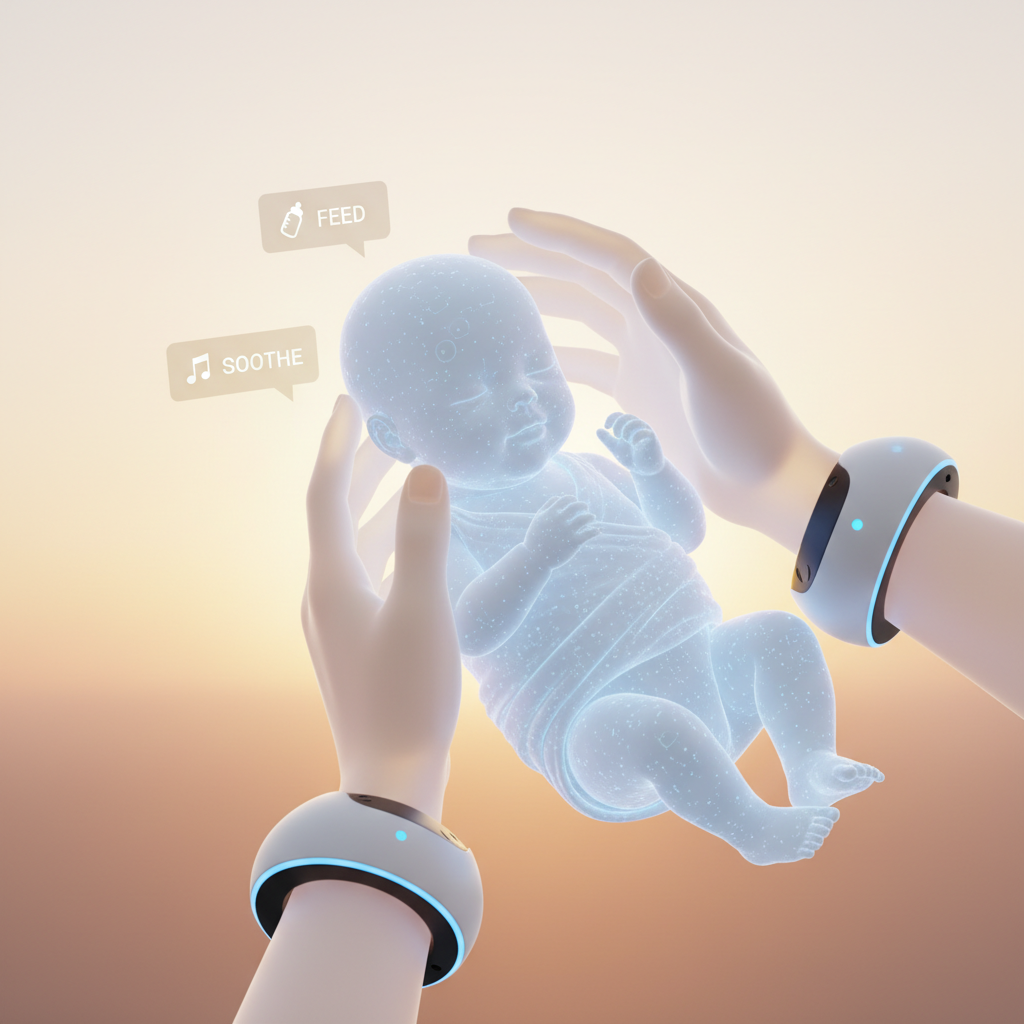
If you’re sensitive to motion, prioritize roomscale interactions and seated-friendly modes, even if a store page makes smooth movement look “more immersive.” Comfort usually wins.
Self-check: which type of “best VR baby sim 2026” shopper are you?
Answer these quickly, it will save you hours of scrolling and refund requests.
- I want entertainment: you’ll tolerate a bit of silliness if the loop is fun and the interactions feel responsive.
- I want education or training: you need structured steps, clear prompts, and “what you did wrong” feedback.
- I’m a streamer/creator: you care about readable UI, predictable moments, spectator view options, and replayability.
- I’m buying for a household: you care about comfort settings, save profiles, and content boundaries.
Now check your constraints:
- Headset + store: Quest standalone, PCVR (SteamVR), or PS VR2 ecosystems don’t have identical catalogs.
- Play space: tight space makes bending, rocking, and floor-level tasks frustrating.
- Time tolerance: if you only play in 10–15 minute chunks, you want quick sessions and clear checkpoints.
How to choose: a practical scoring method (no hype required)
If you want a repeatable way to pick the right title, give each candidate a 1–5 score in these categories, then decide what matters most for your scenario.
Key points to score
- Core loop: Is it caregiving, story, mini-games, or scenario training, and is that what you actually want?
- Interaction reliability: Can you consistently pick up, support, and place the baby without fighting the controls?
- Feedback clarity: Do audio/visual cues help you understand needs without guessing?
- Comfort options: Snap turning, vignette, seated mode, adjustable height, left-handed support.
- Content quality: Are environments and animations polished enough that you stop noticing the seams?
A small editorial opinion here, realism is not automatically “better.” Many top-rated experiences succeed because they’re readable and forgiving, not because they replicate real infant care perfectly.
Setup and play tips that improve the experience immediately
Most VR baby sims live or die on small setup details. Before blaming the app, try these adjustments.
- Set floor height correctly: if the floor is off, every crib, stroller, and changing table feels wrong.
- Widen your guardian boundary: you’ll reach outward more than you expect, especially during soothing motions.
- Reduce arm fatigue: lower virtual table height when possible, or play seated for longer sessions.
- Turn on interaction assists: grip toggle, grab assist, and larger interaction zones usually make caregiving tasks less annoying.
- Use a fan: it can reduce discomfort for many people, plus it helps with headset heat.
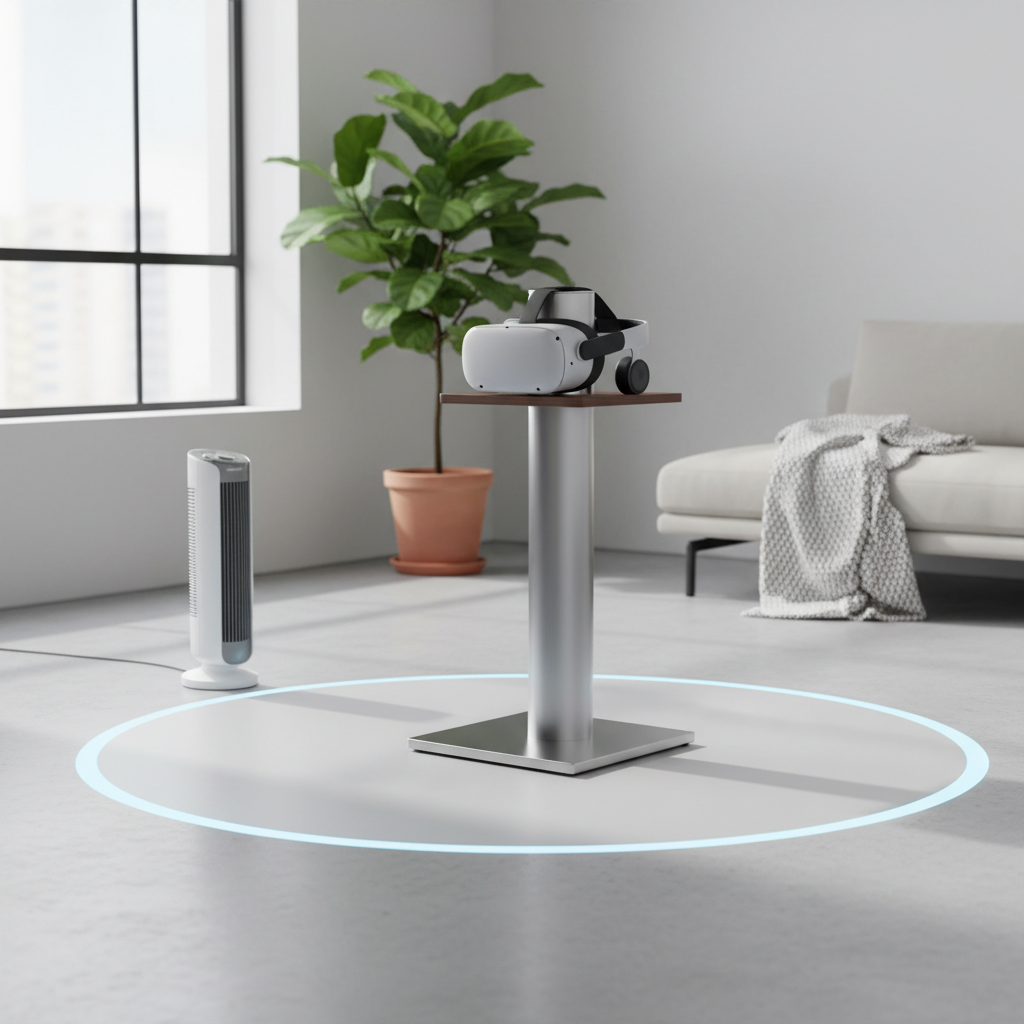
According to U.S. Food and Drug Administration (FDA), some VR users may experience motion sickness, dizziness, or eye strain; if you feel unwell, stopping and taking a break is the sensible move, and persistent symptoms are a reason to consult a healthcare professional.
Common mistakes (and what to do instead)
- Mistake: shopping by screenshots. Do this instead: watch a few minutes of raw gameplay that shows hands, menus, and routine tasks.
- Mistake: assuming “early access” means “bad.” Do this instead: check update frequency and whether recent headset firmware broke anything.
- Mistake: chasing maximum realism. Do this instead: prioritize interaction stability and clear cues, that’s what makes a sim playable.
- Mistake: ignoring comfort settings. Do this instead: set comfort options before you start, not after you feel sick.
Also, be careful with mods and unofficial builds. In many cases they’re harmless, but they can introduce stability issues or content you didn’t intend to bring into your headset environment.
When you should look for professional-grade training instead of a consumer sim
If your goal is clinical education, workplace training, or anything that could influence real-world caregiving decisions, a consumer “game” may not be the right tool. You’ll usually want a structured curriculum, validated scenarios, and instructor oversight.
- Consider professional solutions if: you need skills assessment, compliance documentation, or standardized evaluation.
- Stay with consumer apps if: you want empathy-building, exposure, entertainment, or casual learning.
And if your interest touches postpartum mental health, anxiety, or intrusive thoughts, VR can be supportive for some people but can also feel overwhelming. In that situation, it’s reasonable to discuss options with a licensed professional.
Conclusion: picking the “best” option without overthinking it
The real answer to best vr baby sim 2026 is the one that matches your intent, runs smoothly on your headset, and feels comfortable enough that you actually return to it. Start by choosing your category, score interaction reliability and comfort, then only worry about extras like graphics and modding.
If you want a simple next step, pick two candidates, watch unedited gameplay for both, then buy the one with clearer cues and better comfort options, you’ll feel the difference in the first session.