
best vr puzzle games 2026 searches usually come from one place: you want something genuinely clever in VR, not a “pretty room” that runs out of ideas in 30 minutes.
VR puzzle games can be incredible, but the bad ones waste your time in slow movement, vague hints, or gimmicky interactions that feel cool once and then turn into friction. This guide focuses on what matters in real play: comfort, clarity, interaction quality, and how “puzzle-forward” the design stays after the novelty fades.
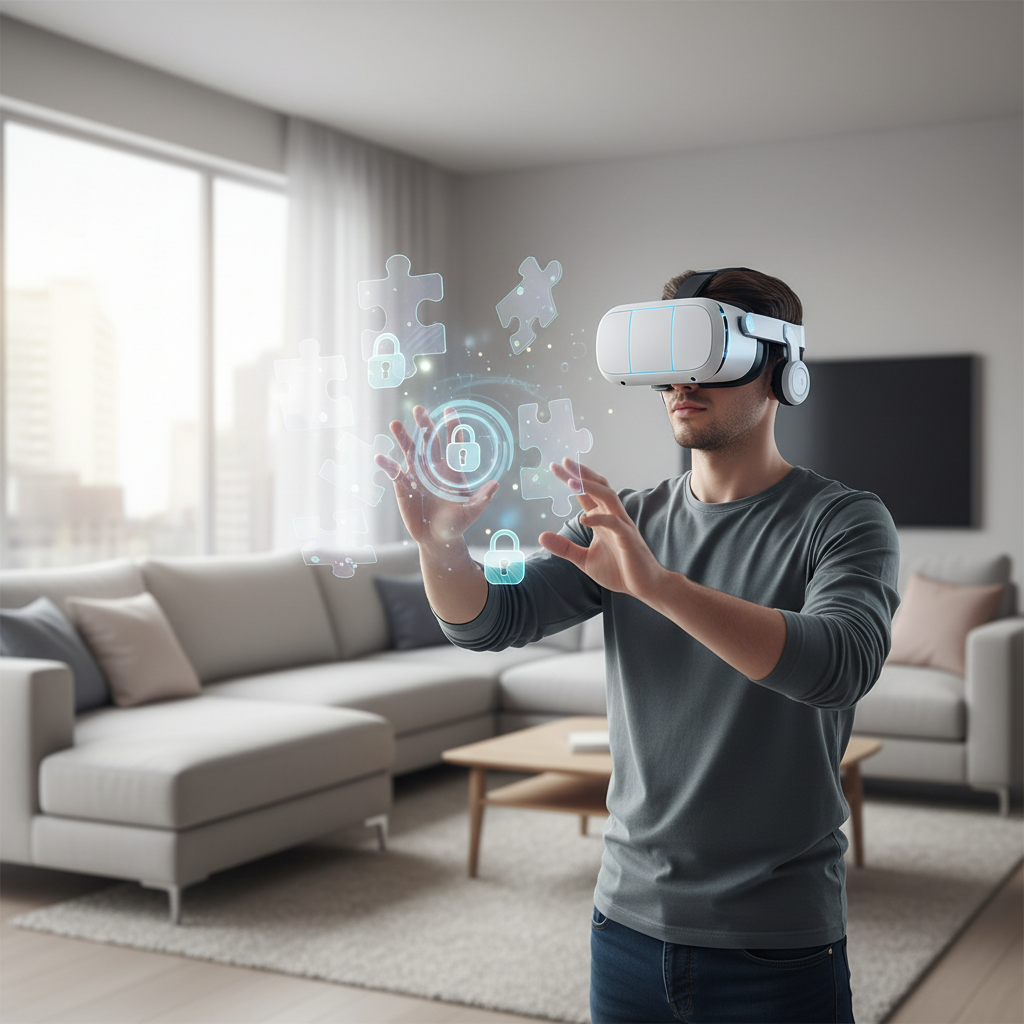
I’m also calling out common “gotchas” people discover after buying: which games are more story-driven than puzzle-driven, which ones are better seated, and where motion settings can make or break the experience. You’ll get a quick decision checklist, a comparison table, and setup tips that reduce frustration.
How to pick a VR puzzle game that won’t disappoint
Before you look at lists, decide what kind of puzzling you actually enjoy, because VR puzzle design varies more than flat-screen puzzle games. A few minutes of clarity here saves you an impulse buy later.
- Interaction-first puzzles: you solve by manipulating objects, mechanisms, and spatial relationships. Great when controllers feel “handsy.”
- Logic-first puzzles: deduction, codes, pattern rules, and layered systems. Great if you like taking notes and thinking ahead.
- Escape-room pacing: many small puzzles that chain together, often with environmental storytelling.
- Physics puzzles: satisfying when tuned well, annoying when collision or grabbing feels sloppy.
Also be honest about comfort. According to Meta, comfort ratings exist for a reason, and many people need time to adapt to smooth locomotion. If you get motion sick easily, prioritize teleport movement, room-scale interactions, and strong comfort settings.
Best VR puzzle games 2026: quick comparison table
This table is meant to reduce browsing fatigue. It’s not a ranking of “objective quality,” it’s a way to match a game’s strengths to how you like to play.
| Game | Puzzle style | Best for | Comfort notes | Why it stands out |
|---|---|---|---|---|
| The Room VR: A Dark Matter | Escape-room, tactile mechanisms | Classic “hands-on” puzzling | Generally comfortable | High-quality object interaction and satisfying reveals |
| I Expect You To Die (series) | Scenario puzzles, observation | Seated play, comedic spy vibe | Very comfortable (seated) | Great pacing, replayable problem-solving |
| Red Matter 2 | Adventure + puzzles | Atmosphere plus clever tasks | Comfort depends on movement settings | Polished world with strong “tech tools” puzzles |
| Moss + Moss: Book II | 3D diorama puzzling | Story-forward, cozy challenge | Comfortable, minimal motion stress | Brilliant mix of action-lite and spatial puzzles |
| A Fisherman’s Tale | Recursive perspective puzzles | Mind-bending “impossible space” | Usually comfortable | One of VR’s smartest scale-and-space tricks |
| Maskmaker | World hopping, object puzzles | Exploration with steady puzzles | Comfort varies by locomotion choice | Creative theme, satisfying progression |
| Puzzling Places | 3D jigsaw dioramas | Relaxing, long-session puzzling | Very comfortable, seated or standing | “One more piece” flow, great for winding down |

Top picks by “puzzle personality” (so you buy the right thing)
If you only read one section, make it this one. Most disappointment comes from a mismatch: you wanted logic puzzles, you bought a narrative adventure with occasional locks.
For tactile, high-satisfaction mechanism puzzles
- The Room VR: A Dark Matter: Great when you want dense, object-based puzzle rooms and strong “click” moments.
- Maskmaker: More travel and wonder, still anchored by hands-on problem solving and themed environments.
For seated puzzle fans (comfort-first, still smart)
- I Expect You To Die games: You stay seated, you stay focused, and the puzzles reward observation and experimentation.
- Puzzling Places: Not a narrative adventure, but a reliable “de-stress puzzle” that can last weeks.
For atmosphere + puzzles, not pure escape-room
- Red Matter 2: Excellent if you like tool-based interactions and story exploration, with puzzles that feel integrated.
- Moss games: A different angle, more like guiding a hero through a living diorama, with clever spatial moments.
For “VR can do that?” mind-benders
- A Fisherman’s Tale: Shorter, but unusually inventive with scale, recursion, and space.
Self-check: are you buying for challenge, vibe, or comfort?
Use this quick checklist before you hit purchase. It’s simple, but it catches the most common mismatches.
- I want hard puzzles → Look for logic-forward or escape-room-forward design, not “adventure with puzzles.”
- I hate wandering → Avoid games where puzzles are spaced out by long traversal or lore hunting.
- I get motion sick → Prefer seated experiences, teleport movement, and games with strong comfort options.
- I love manipulating objects → Prioritize titles known for reliable grabbing, snapping, and clear interaction cues.
- I share VR with family → Choose shorter chapters, clear hints, and easy onboarding in the first 10 minutes.
When people search best vr puzzle games 2026, they often also mean “what won’t waste my limited VR time.” If that’s you, focus on consistency: does the game keep presenting puzzles, or does it drift into sightseeing and story gates?
Practical setup tips that make puzzle games feel better
A great puzzle can still feel bad if your space, settings, or controls fight you. These are low-effort fixes that improve most puzzle-heavy VR titles.
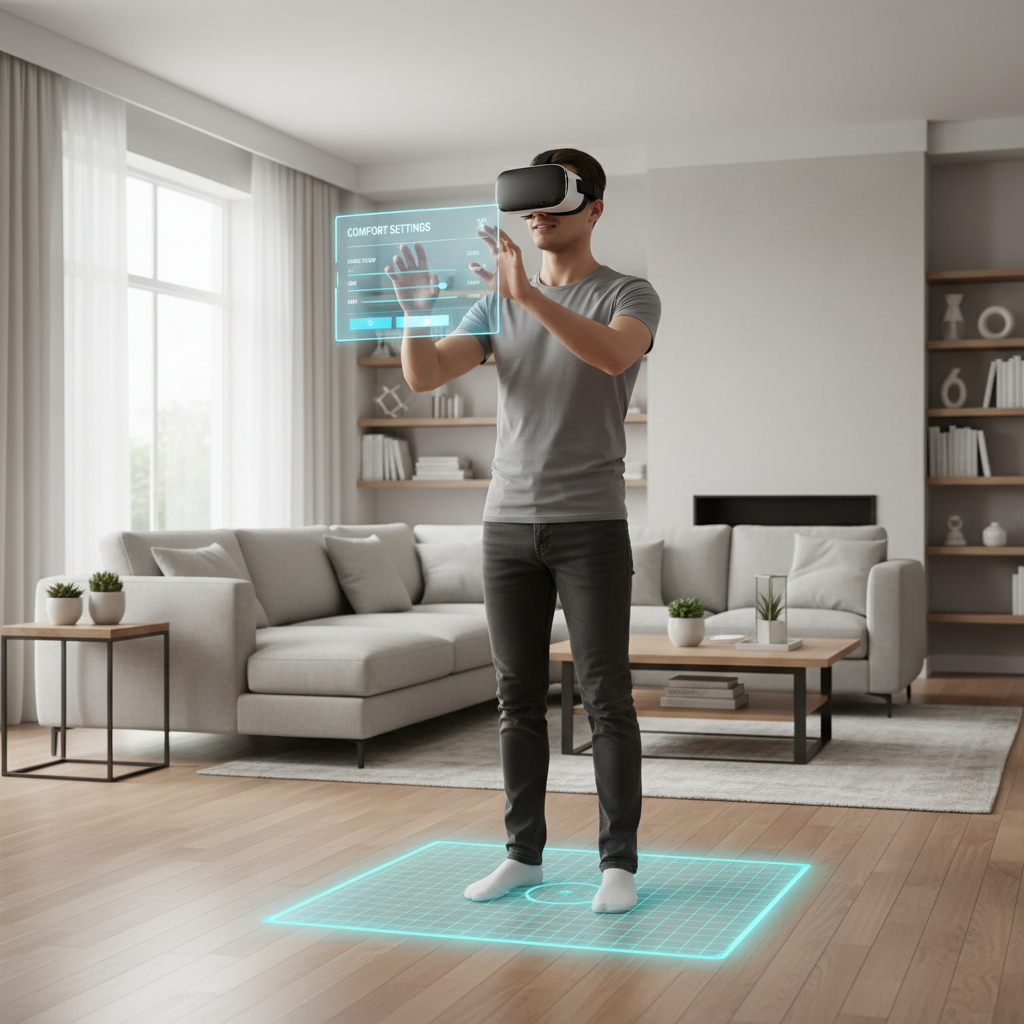
- Re-center early: Do it before a puzzle sequence starts, not mid-way through a delicate interaction.
- Turn on comfort vignettes if needed: It can make exploration sections tolerable without changing the puzzle content.
- Use wrist straps: Especially in mechanism-heavy games, you’ll reach, twist, and “pull” more than you expect.
- Adjust height and playspace: Many grabbing issues are actually calibration issues, not “bad controls.”
- Try seated mode for long sessions: Even if you can stand, seated play often improves precision and stamina.
Common mistakes when choosing VR puzzle games (and how to avoid them)
These are the traps that show up again and again in reviews and refunds. None of them mean a game is “bad,” just potentially wrong for you.
- Confusing “puzzle game” with “adventure game”: Many titles have puzzles, but the core loop is exploration and narrative, so puzzle density feels low.
- Ignoring interaction quality: If grabbing feels inconsistent, the puzzle difficulty becomes frustration. Watch for mentions of “fiddly” controls.
- Buying for graphics alone: Beautiful environments help immersion, but puzzle satisfaction comes from clarity and feedback.
- Overestimating your comfort level: Smooth locomotion can be fine, until a game asks you to move, look down, and manipulate tiny parts at once.
According to PlayStation, comfort and play area guidance are part of safe VR use, and it’s worth taking seriously, especially when a puzzle session encourages long, focused play.
When to ask for help (or switch tactics) instead of brute-forcing
Puzzle games are supposed to feel challenging, but there’s a point where “stuck” becomes “not having fun.” A few signals suggest it’s time to change approach.
- You’re repeating the same interaction hoping for a different outcome, and nothing new appears.
- You feel physically tense from awkward reach angles or constant re-grabbing.
- You’re missing key information because the game expects you to look at a specific clue or tool.
Try this: step back, re-check inventory tools, re-read environmental text, and change your viewpoint height. If you still feel blocked, a light hint is often better than quitting. If motion discomfort kicks in, stopping is usually the smarter move, and if symptoms feel intense or persistent, consider asking a healthcare professional for advice.
Key takeaways (quick recap)
- Match the game to your puzzle style: tactile mechanisms, logic deduction, diorama puzzling, or atmosphere-first adventure.
- Comfort settings matter: the best vr puzzle games 2026 picks are the ones you can actually play for an hour without fighting your headset.
- Start with proven standouts: The Room VR for mechanisms, I Expect You To Die for seated scenarios, Puzzling Places for calm long sessions.
- Fix setup before blaming the game: calibration, re-centering, and play space reduce “fiddly” frustration.
If you want one next step, pick a “comfort-safe” option you’ll definitely finish, then graduate into longer adventure-puzzle hybrids once you trust your VR legs and your patience.
FAQ
What are the best VR puzzle games 2026 for beginners?
Many beginners do well with I Expect You To Die (seated, clear objectives) or Puzzling Places (low pressure, pure puzzling). They reduce locomotion friction, so you can focus on learning VR interaction.
Which VR puzzle games are best if I get motion sickness?
Look for seated or teleport-friendly games, and check comfort ratings in your store. Titles like Puzzling Places and I Expect You To Die tend to be easier on comfort, though sensitivity varies by person.
Are escape-room VR games better solo or with friends?
Many are great solo because you control pacing and don’t talk over clues, but some players prefer swapping turns and brainstorming together. If you share a headset, pick games with short chapters and frequent save points.
What should I look for in reviews before buying a VR puzzle game?
Scan for mentions of grabbing accuracy, hint quality, and whether puzzles stay frequent past the first hour. If multiple reviewers mention “fiddly interactions,” that’s a real signal for puzzle-heavy play.
Do I need room-scale VR for these games?
Not always. Several strong puzzle titles work seated or standing in a small space. Room-scale can add immersion, but it’s not required for satisfying puzzle design.
What’s the difference between “puzzle adventure” and “puzzle game” in VR?
In practice, “puzzle game” usually means puzzles are the main loop, while “puzzle adventure” spaces them out with exploration, story beats, or traversal. If you want dense problem-solving, prioritize the former.
How long are most VR puzzle games?
It ranges a lot: some are short concept-driven experiences, others are full campaigns. If length matters, check store listings and reviewer notes, and remember VR playtime can feel longer due to physical engagement.
Can VR puzzle games cause eye strain or fatigue?
They can, especially with long sessions or small UI elements. Taking breaks, adjusting headset fit, and increasing text size when available usually helps, and if discomfort persists, consider getting professional guidance.
If you’re still torn between a few options, it often helps to choose based on your real constraint: comfort, puzzle density, or session length. If you need a more “set-and-forget” approach, make a short list by platform and comfort rating, then pick the one with interaction quality people consistently praise.