
best vr fishing sim 2026 is a search people make right after a frustrating purchase, when the “cool trailer” turns into awkward controls, motion sickness, or a game that runs great on PCVR but feels trimmed down on standalone.
If you want a VR fishing sim you’ll return to after the first weekend, you need to match the game to your headset, your tolerance for comfort issues, and what “fishing” means to you, relaxed lake time, competitive tournaments, or a realistic fight with the drag and line tension.
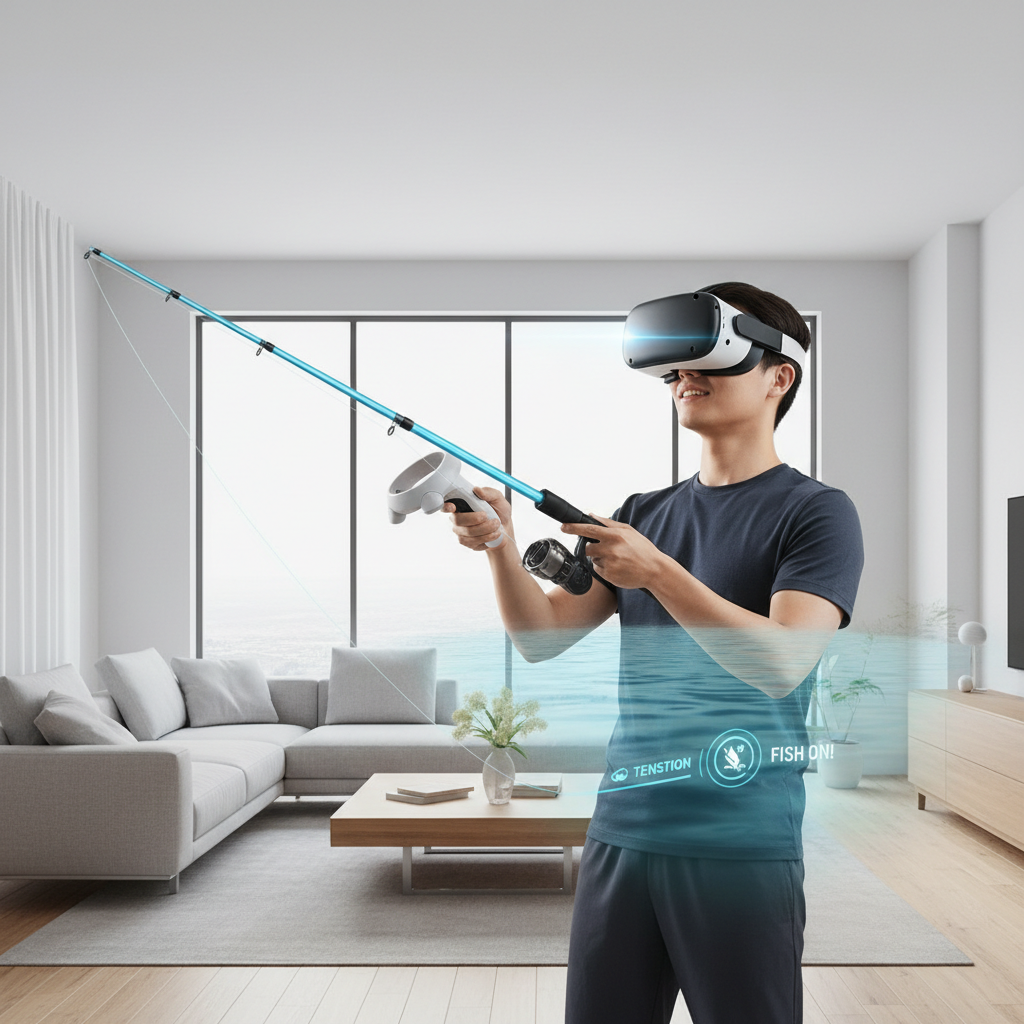
This guide doesn’t pretend there’s one “perfect” title for everyone, instead it helps you pick what fits your setup and habits, then shows how to dial in comfort and settings so the sim feels smooth rather than gimmicky.
What “best” means in VR fishing (it depends more than people admit)
In practice, the best VR fishing sim usually wins on three things: how believable the fishing systems feel, how comfortable the locomotion and camera behavior stay over long sessions, and how consistently it runs on your hardware.
- Simulation depth: casting mechanics, hook set timing, drag behavior, line slack, lure action, weather and water reads.
- Comfort design: stable horizon, strong vignette options, seated play support, minimal forced camera movement.
- Content loop: progression, locations, species variety, gear upgrades, daily challenges, co-op or tournaments.
- Platform parity: PCVR versions may look sharper and simulate more physics, standalone may prioritize performance.
One more “hidden” factor: how you want to play. If you mainly fish to unwind, a slightly arcadey but comfortable title can beat a hardcore sim that makes you sweat through every cast.
Quick comparison table: how to choose your match
Because game catalogs and updates change, treat this table as a decision aid, not a permanent ranking. When you shop, double-check store pages, patch notes, and current headset support.
| Player type | Prioritize | Good fit if you… | Watch out for |
|---|---|---|---|
| Relaxed “lake day” | Comfort, ambience | Play seated, want simple casting and chill exploration | Too-simple gear loop can feel shallow after a week |
| Sim purist | Physics, technique | Care about lure control, line tension, realistic fights | Steeper learning curve, can be tiring on wrists/shoulders |
| Competitive grinder | Progression, events | Like leaderboards, tournaments, structured goals | Daily/weekly systems can feel repetitive |
| Co-op/social | Multiplayer stability | Want to fish with friends and talk while you play | Matchmaking and voice features vary a lot by title |
Why VR fishing sims feel “off”: common deal-breakers
When people bounce off a VR fishing game, it’s rarely because they “don’t like fishing.” It’s usually one of these issues that stacks up.
- Tracking and rod feel: a two-controller “rod” can drift or feel floppy if the game doesn’t handle hand alignment well.
- Inconsistent reeling: reeling that’s tied to tiny wrist motions can be tiring, and sometimes it misreads fast movement.
- Comfort triggers: boat movement, sudden camera shifts, or smooth locomotion without strong comfort settings.
- Performance dips: water shaders and dense foliage can cause frame drops, which makes aiming and timing harder.
- Progression pacing: either too grindy, or so fast you run out of goals.
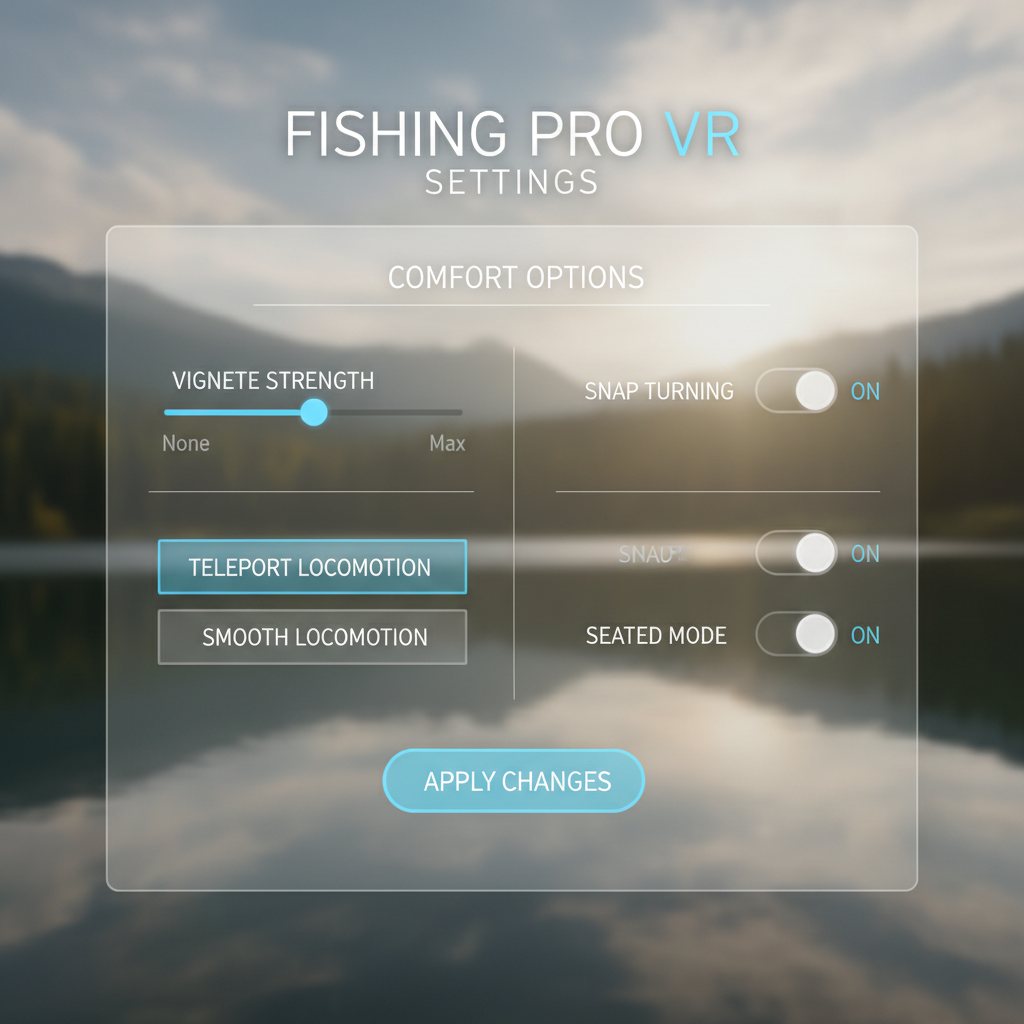
According to Meta, comfort features like vignetting and teleport options can help reduce discomfort for many users, and you’ll notice better VR fishing titles expose those toggles up front rather than burying them.
A fast self-check: which VR fishing sim style fits you?
Use this like a quick filter before you get pulled in by screenshots.
- You should lean “comfort-first” if you get queasy in smooth movement games, prefer seated play, or share the headset with family.
- You should lean “simulation-first” if you already understand drag, line tension, and lure choice, and you want the game to reward technique.
- You should lean “content-first” if you need quests, unlocks, and clear goals to stay engaged.
- You should lean “social-first” if you plan to play weekly with friends and care about stable multiplayer more than graphics.
If you’re torn between two categories, pick the one that matches your playtime reality. Many people buy a deep sim, then only play 20 minutes at a time and never get past the early friction.
Practical setup tips: make any VR fishing sim feel better in 15 minutes
This part matters even if you truly found the best vr fishing sim 2026 for your taste, because bad settings can make a great game feel cheap.
Comfort and motion
- Start seated for your first session, even if you plan to stand later.
- Turn on snap turning and add a mild vignette, then ease off over time if you feel fine.
- Avoid “boat sway” camera effects when possible, it’s a common nausea trigger.
Controls and casting
- Calibrate height and reach so the rod angle matches your natural posture.
- Lower reeling sensitivity if you notice wrist strain, many games offer alternate reeling methods.
- Practice three casts before you “judge” the game: short pitch, mid cast, long cast, because timing often changes with distance.
Performance basics (especially on standalone)
- Favor stable frame rate over ultra water effects, smoothness helps both comfort and hook timing.
- Close background apps and keep headset firmware updated, small performance issues can snowball in VR.
If you feel eye strain or nausea, take breaks and consider adjusting comfort options; persistent symptoms are a good reason to consult a medical professional.
Buying checklist: what to verify before you click “purchase”
Store pages can be vague, so go in with a short list. This is where a “best vr fishing sim 2026” search pays off, it helps you avoid mismatches.
- Your exact headset support: Meta Quest standalone vs PCVR, PS VR2, SteamVR, and whether cross-buy exists.
- Locomotion modes: teleport, smooth, seated mode, snap turning.
- Multiplayer details: co-op size, private rooms, voice chat, how matchmaking works.
- Content scope: number of locations, species, game modes, DLC model if any.
- Update cadence: recent patch notes and whether the developer still ships fixes.
- Refund policy: check the platform rules so you can test comfort risk responsibly.
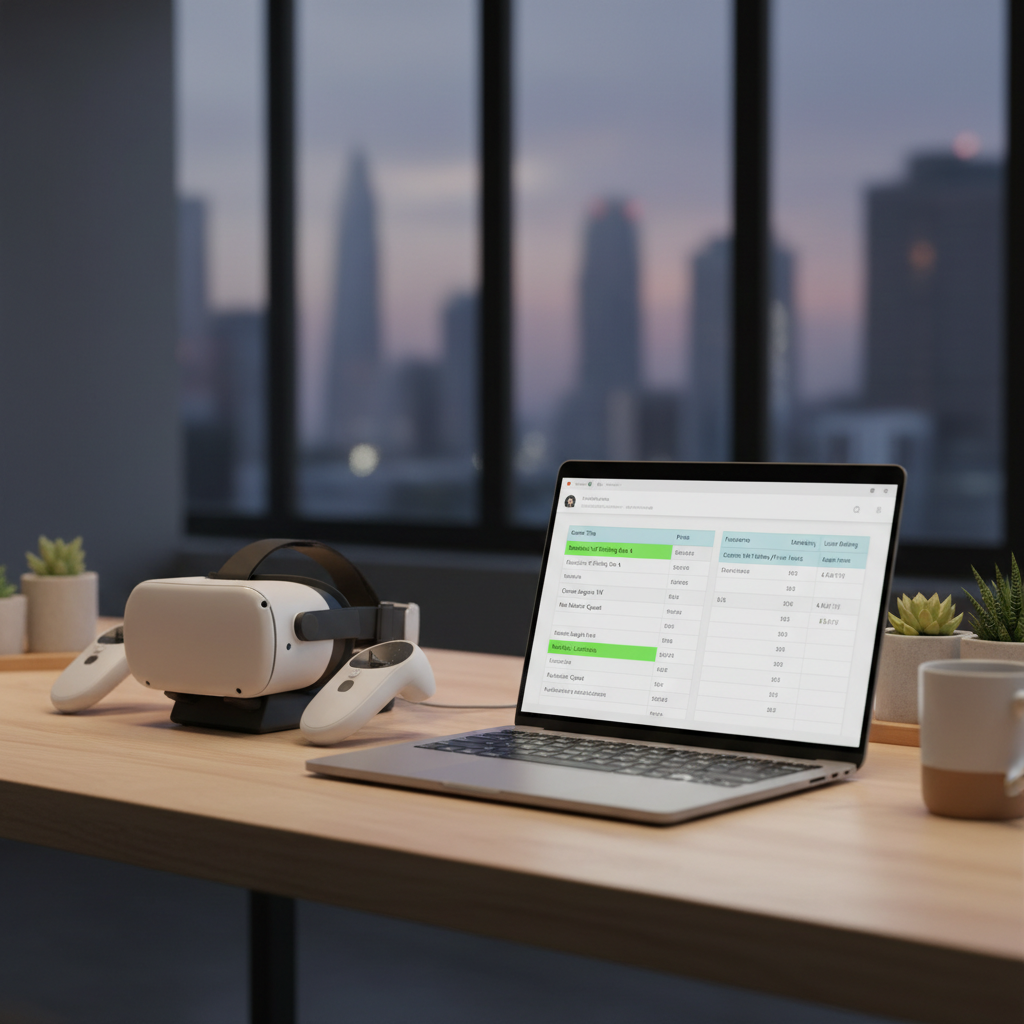
According to Valve, Steam provides clear refund rules for many purchases, which can reduce the risk when you’re unsure whether a VR title will feel comfortable on your setup.
Key takeaways and recommendations by scenario
Here are the decisions that usually lead to a satisfying purchase, even when you can’t test every option.
- If comfort is your #1 concern: choose a title with strong locomotion options and seated play support, then prioritize stable performance settings.
- If realism matters most: look for deeper systems like lure action control and meaningful drag, and plan to spend an hour learning the mechanics.
- If you play with friends: pick based on multiplayer reliability and private room tools, not just visuals.
- If you get bored easily: go for clear progression, varied locations, and rotating challenges.
One honest expectation: even the best vr fishing sim 2026 will feel different from real fishing, the win is the combination of technique, atmosphere, and repeatable sessions without hassle.
Conclusion: choose the sim you’ll actually keep installed
The “best” VR fishing sim is the one that matches your headset, your comfort needs, and your motivation, relaxation, realism, competition, or social time. If you do nothing else, verify locomotion options and platform support, then spend 15 minutes tuning comfort and casting settings before you judge the game.
If you want a simple next step, pick two contenders, check recent patch notes, and use the platform refund window to test comfort and controls at home, that’s usually more reliable than any hype.
FAQ
What is the best vr fishing sim 2026 for Meta Quest standalone?
Usually the best choice on Quest is the one that stays smooth and offers strong seated and comfort options, because standalone performance constraints can make “prettier” ports feel rough. Check the store listing for Quest-native support, not only PCVR.
Are VR fishing sims good exercise?
They can be light activity, especially if you stand and cast for longer sessions, but it varies a lot by play style and game design. If you have shoulder or wrist issues, it’s smart to pace sessions and consider professional advice.
Why does reeling feel tiring or inconsistent in VR?
Some games map reeling to small wrist rotations, and if sensitivity is high, you end up overworking your forearm. Try lowering sensitivity, switching reeling mode if available, and keeping your controller grip relaxed.
Do I need a VR gunstock-style accessory for fishing controllers?
Most people do fine with standard controllers, but accessories can improve “rod” stability in some titles. The downside is added setup friction and compatibility issues across games.
What comfort settings should I enable first?
Snap turning, mild vignette, and seated mode tend to be a safe starting point for many players. You can reduce assistance later once your body adapts and you trust the game’s motion behavior.
Is PCVR always better than standalone for fishing sims?
PCVR often delivers sharper visuals and sometimes richer physics, but it also adds potential friction like cable management or Wi‑Fi streaming quality. If you value quick pick-up sessions, standalone can still win.
How can I tell if a VR fishing game still gets updates?
Look at patch notes, store “last updated” info where available, and recent community posts. A quiet period doesn’t always mean abandoned, but long gaps plus unresolved bugs are a red flag.
If you’re deciding between a couple of games and want a more “no-regrets” path, make a short shortlist based on your headset and comfort needs, then test each within the refund window so the choice reflects your real living-room setup, not just reviews.