
top games with lava and volcanic environments are often the easiest way to get that instant “danger + spectacle” feeling, the kind that makes a level memorable even years later.
If you’re browsing for something specific, it’s usually not “any action game,” it’s that mix of glowing magma, crumbling rock, heat shimmer, and the constant sense that one wrong step costs you. Volcanic zones also tend to come with great pacing: tighter platforming, higher stakes combat, and environmental puzzles that actually feel themed rather than reskinned.
This guide stays practical: which games do lava well, what “volcanic” can mean across genres, and how to choose based on the experience you want, not just a list of names.
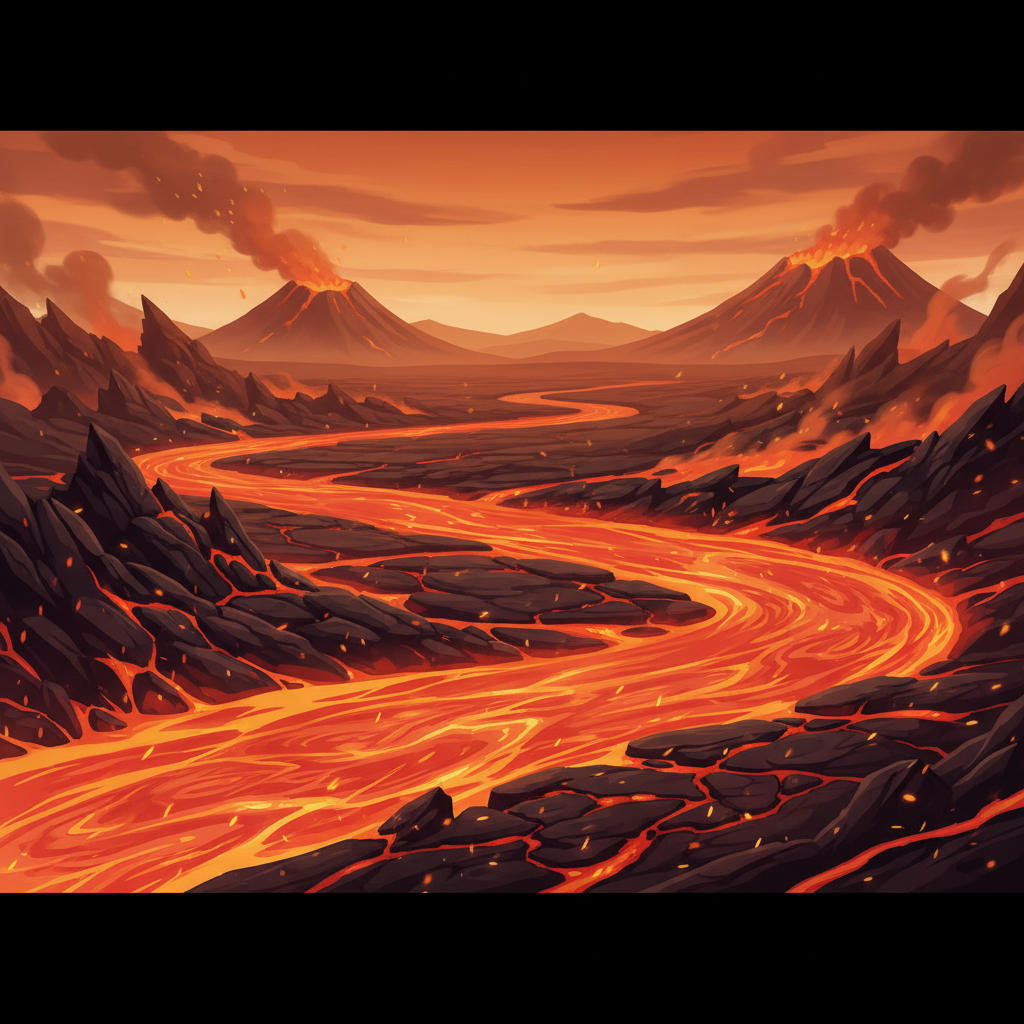
What counts as a “lava & volcanic environment” in games
Not every “lava level” feels volcanic. A lot of games borrow the color palette, but the best ones sell the whole ecosystem: unstable terrain, toxic gases, ash storms, geothermal ruins, and sound design that makes the place feel alive.
- Active lava hazards: moving flows, rising pools, lavafalls, splash damage zones.
- Volcanic geography: calderas, basalt columns, obsidian fields, lava tubes, fumaroles.
- Heat as a system: fire resistance builds, cooling mechanics, time limits, gear choices.
- Environmental storytelling: temples half-swallowed by magma, abandoned mining rigs, scorched forests.
Quick expectation-setter: “volcanic” can show up as a single iconic stage, or it can be a full biome that you return to for hours. Both can be great, you just want to know which you’re buying into.
Top games with lava and volcanic environments (curated picks)
Below is a curated set across styles and platforms, with a short note on what each title does well. Availability can vary by platform and region, so consider this a “what to look for” list more than a storefront guarantee.
Action-adventure and open-world
- The Legend of Zelda: Breath of the Wild / Tears of the Kingdom (Nintendo Switch): Death Mountain and surrounding regions mix heat management, volcanic vistas, and route planning that feels earned.
- Elden Ring (PC/PlayStation/Xbox): Volcano Manor and nearby zones deliver oppressive atmosphere, molten geology, and enemy theming that matches the terrain.
- Monster Hunter: World (PC/PlayStation/Xbox): The Elder’s Recess leans into crystalline volcanic caves, molten pockets, and fights that use terrain spacing.
Soulslikes, roguelikes, and high-challenge favorites
- Dark Souls series (various platforms): Iconic lava-adjacent areas where positioning and timing matter, and the mood is pure “hostile world.”
- Hades (PC/PlayStation/Xbox/Switch): The Asphodel biome is a masterclass in readable hazard design, fast combat flow, and strong color contrast.
- Dead Cells (PC/console/mobile): Lava-and-fire flavored zones appear as part of its shifting route structure, great for short sessions.
Platformers that treat lava as a real mechanic
- Super Mario Odyssey (Nintendo Switch): Luncheon Kingdom turns lava into playful traversal, with clear visual language and clever movement puzzles.
- Donkey Kong Country: Tropical Freeze (Switch/Wii U): Volcanic stages push timing and momentum, and the art direction sells heat without needing realism.
Sandboxes and “make your own volcano story” games
- Minecraft (multi-platform): Lava is a tool and a threat, and volcano vibes come from terrain generation, builds, or community maps.
- Terraria (multi-platform): Underworld lava seas and fire-themed progression give you that classic “descend into heat” arc.
Key point: if you want constant volcanic immersion, look for games where lava is a biome system. If you want a “highlight level,” platformers often deliver the sharpest set-pieces.
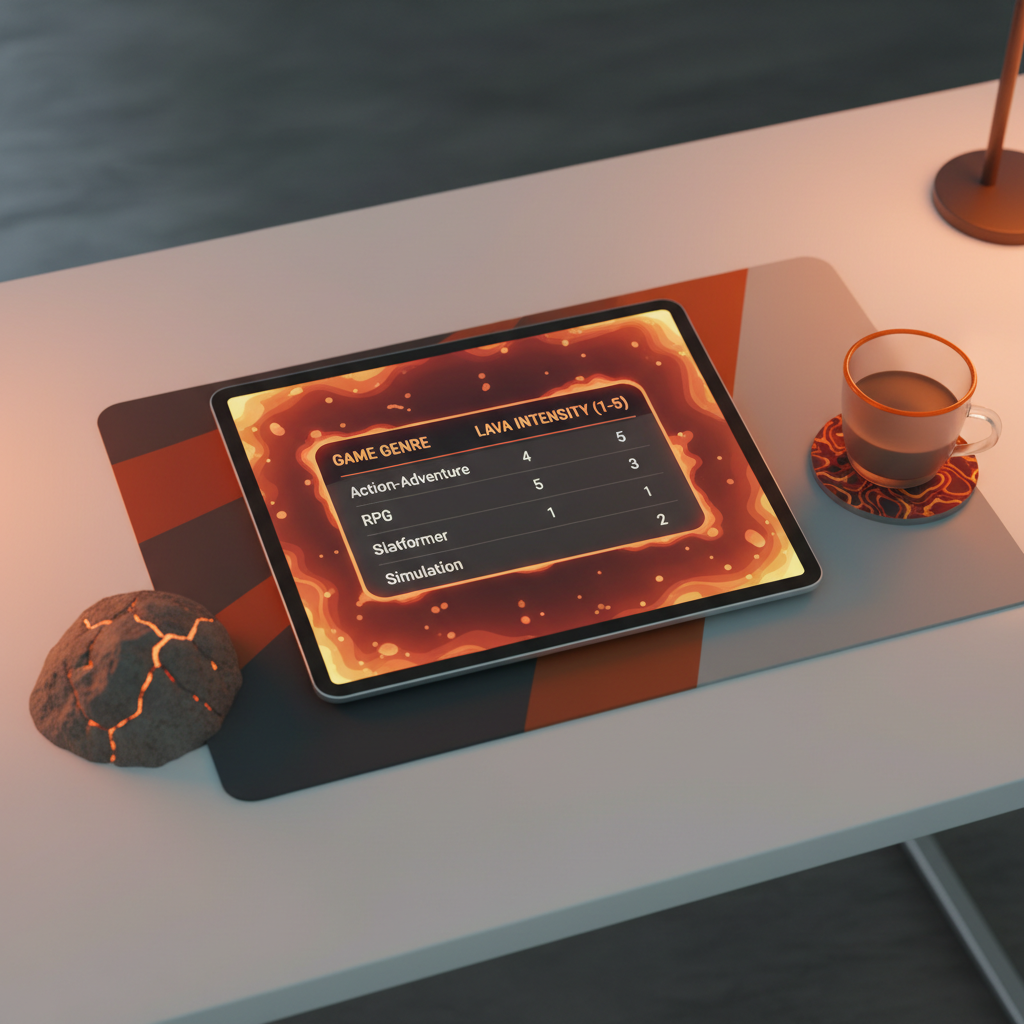
Quick comparison table: picking the “right kind of heat”
Use this as a shortcut if you already know what mood you want.
| Game | Genre | Volcanic focus | Challenge feel | Why it stands out |
|---|---|---|---|---|
| Hades | Roguelike | Biome (Asphodel) | Fast, learnable | Readable lava hazards + speed |
| Breath of the Wild / TotK | Open-world | Region | Flexible | Heat management + exploration |
| Elden Ring | Action RPG | Zone arc | High | Atmosphere and level tension |
| Monster Hunter: World | Co-op action | Hunting map | Medium to high | Terrain that shapes fights |
| Super Mario Odyssey | Platformer | Set-piece kingdom | Accessible | Creative traversal over lava |
| Minecraft | Sandbox | Player-made | Varies | Lava as building + risk |
Why lava levels feel so good (and why some feel cheap)
When volcanic environments work, it’s rarely because “lava is scary.” It’s because designers use lava to clarify decisions: safe vs risky routes, high reward platforms, and timing windows you can read at a glance.
- High-contrast readability: bright magma against dark rock helps you parse space quickly.
- Natural pressure: even without a timer, lava implies urgency, so pacing tightens.
- Meaningful build choices: fire resistance, mobility tools, ranged options, status cleanses.
- Sound and lighting: rumble, crackle, and orange bounce light do half the immersion work.
When it feels cheap, it’s often one of two issues: hazards are hard to read, or the level becomes “don’t touch the floor” without giving you interesting choices. The best top games with lava and volcanic environments keep you making decisions, not just avoiding pixels.
Self-check: what kind of volcanic game are you actually looking for?
This takes a minute, but it saves you from buying the wrong vibe.
- I want spectacle and exploration, with heat as a light survival layer → open-world action-adventure tends to fit.
- I want tough combat in oppressive zones, and I’m okay dying a lot → soulslike or high-challenge action RPG.
- I want short runs with consistent adrenaline → roguelike/roguelite with a lava biome.
- I want clean movement puzzles where lava is a platforming grammar → platformer.
- I want to build or experiment with lava as a tool → sandbox.
Small but important: if motion sickness is a factor, heavy heat shimmer and intense bloom lighting can be uncomfortable. Many games offer visual settings that help, and if symptoms persist it may be worth asking a healthcare professional for personalized advice.
Practical tips: how to get the most out of lava zones (without frustration)
You don’t need “pro gamer” habits, just a few adjustments that fit how lava levels are usually designed.
1) Treat heat as a gear check, not a skill check
In many titles, heat damage exists to push preparation. If the game provides fireproof armor, elixirs, consumables, or elemental resistances, use them early instead of brute forcing.
- Carry one emergency heal or cleanse item if the game allows.
- Swap to mobility tools when jumps become the main threat.
- Use ranged options when arenas have narrow safe ground.
2) Read the level like a designer would
Lava areas often “teach” you a pattern in a safe spot, then repeat it with higher punishment. Look for the warm-up section and practice there.
- Watch for color cues: brighter usually means active hazard, darker crust often signals safe rock.
- Listen for timing cues: bubbling, rumbling, steam bursts can sync with cycles.
- Use the camera: wide angles help depth judgment on small platforms.
3) Don’t waste willpower on repeat runs
If you’re failing the same jump or fight, change one variable: lighter loadout, different route, slower tempo, or a quick settings tweak. Stubborn repetition works sometimes, but it’s a slow way to learn.

Common mistakes to avoid (the stuff that makes lava zones feel unfair)
A lot of frustration comes from a few predictable misreads, not from the game “being bad.”
- Ignoring resistance systems: if the game offers heat mitigation, the level likely assumes you use it.
- Maxing brightness the wrong way: overly bright settings can wash out hazard edges and reduce readability.
- Chasing loot mid-hazard: volcanic zones punish greed, grab items after the pattern clicks.
- Not learning safe spots: many arenas have “cool” pockets, platforms, or pillars meant as reset points.
- Assuming all lava behaves the same: some games treat lava as instant death, others as heavy damage over time.
According to the ESRB, game ratings and content descriptors can help you understand what type of intensity to expect, which is useful if you’re sensitive to certain themes or you’re buying for someone else.
When it’s worth looking up guides, mods, or accessibility options
There’s no moral victory in suffering through a section that your body or schedule can’t support. If you’re stuck, a little outside help is often the “intended” modern experience.
- Accessibility settings: reduce camera shake, motion blur, or visual effects that make magma glare harder to read.
- Build planners: for RPGs, a quick respec into fire resistance or mobility can turn a wall into a stroll.
- Community maps/mods: in sandboxes, curated volcano worlds can give you the environment without the grind.
If you notice headaches, nausea, or eye strain during high-contrast volcanic scenes, consider taking breaks and adjusting visual settings, and if that becomes frequent, it may be wise to consult a healthcare professional.
Conclusion: pick the lava vibe, not just the game name
The best top games with lava and volcanic environments don’t just paint the world orange, they use heat to shape movement, combat choices, and tension in a way you can feel minute to minute. Decide whether you want a full volcanic biome, a single unforgettable level, or a build-focused sandbox, then choose from there.
If you want an easy next step, pick one title from the table that matches your preferred pace, then watch a short gameplay clip of its volcanic area to confirm the readability and intensity feel right for you.
FAQ
What are the best top games with lava and volcanic environments for casual players?
Platformers and exploration-heavy games are usually friendlier because the hazard language stays clear. Super Mario Odyssey is a common pick for “lava without misery,” and open-world games let you leave and come back better prepared.
Which games make lava a core mechanic, not just a background?
Roguelikes like Hades use lava as a consistent gameplay constraint, and sandboxes like Minecraft make lava functional for building, traps, and resource management. Those tend to feel more “mechanical” than purely scenic lava.
Do volcanic levels always mean instant-death floors?
No, and it varies a lot by genre. Some games treat lava as a hard fail state, others as high damage over time with recovery options, which changes how bold you can play.
Are there co-op games with strong volcanic environments?
Monster Hunter: World is a solid example because the volcanic map influences how hunts flow, and co-op roles can matter when safe space is limited. Availability and matchmaking activity can vary over time, though.
How do I find more lava-heavy games beyond the obvious classics?
Look for tags like “volcanic biome,” “fire realm,” “magma cavern,” or “geothermal” in store pages and community forums, then verify with screenshots or videos. A lot of good lava areas hide inside broader fantasy or sci-fi settings.
Why do some lava levels feel visually tiring?
Strong bloom, heat shimmer, and high contrast can fatigue your eyes, especially in long sessions. Turning down motion blur, reducing camera shake, and adjusting HDR/brightness often helps; persistent symptoms deserve medical advice.
Is there a “right” order to play these games if I’m new to the theme?
If you want to ramp up gradually, start with a platformer set-piece, move to an open-world volcanic region, then try a roguelike or soulslike once you know you enjoy high-pressure hazards.
If you’re building a playlist for a “volcano mood” night and want something that fits your platform, time budget, and difficulty tolerance, a quick shortlist based on genre usually beats scrolling store pages for an hour.