
best new vr games released 2026 is a search that usually means one thing: you want the good stuff without burning money on “tech demo” vibes or comfort-nightmare locomotion.
VR in 2026 feels more crowded than ever, and the hardest part is not finding games, it’s figuring out which releases actually respect your time, your stomach, and your hardware. A trailer can look amazing and still play rough on your headset or on your legs.
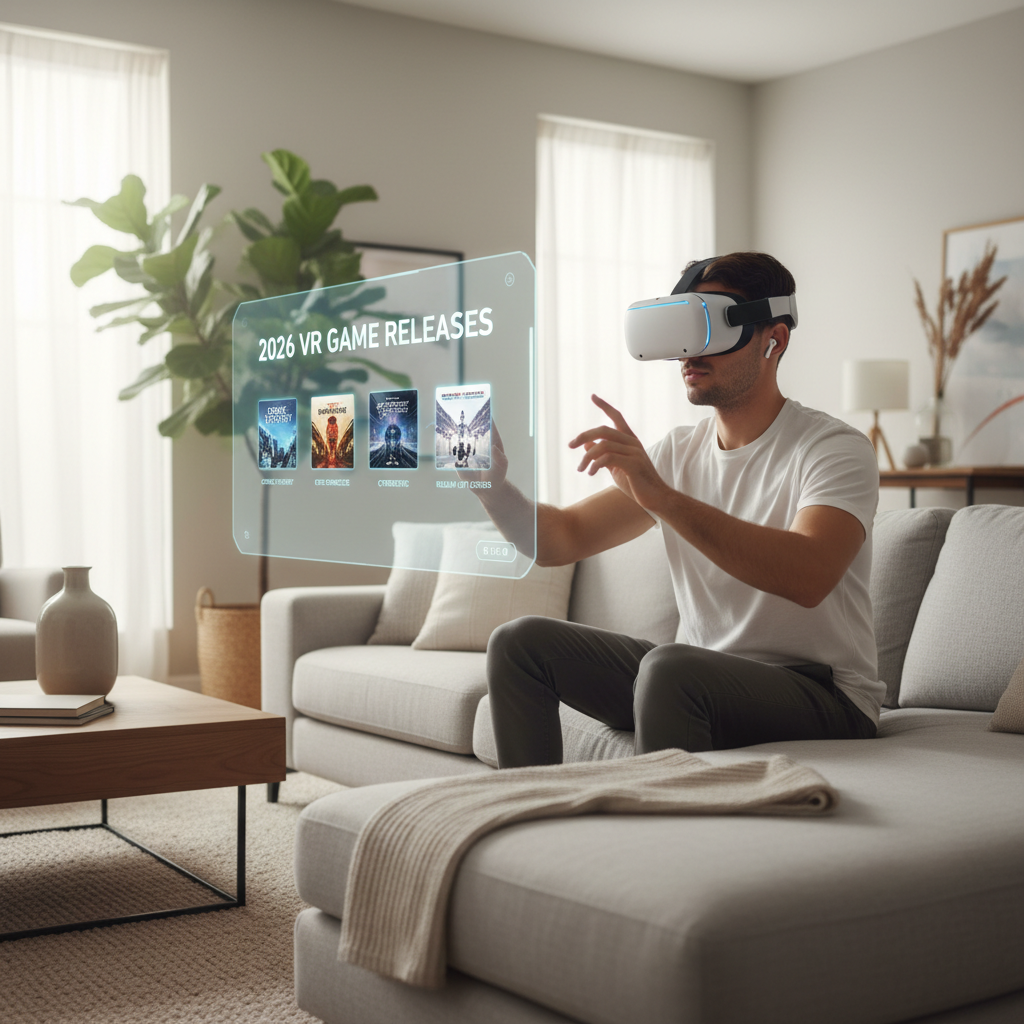
This guide won’t pretend there’s one “best” list for everyone. Instead, it helps you sort new VR releases by genre fit, comfort options, headset compatibility, and value, with a quick checklist and a simple decision path you can actually use.
What “best” really means for new VR releases in 2026
People say “best,” but they’re usually optimizing for one of these outcomes, and the picks change depending on which one you care about most.
- Comfort-first: teleport, snap turn, vignette, seated support, adjustable speed.
- Content-first: long campaigns, replay loops, live updates, co-op.
- Tech-first: high-fidelity lighting, hand tracking, mixed reality features.
- Social-first: matchmaking, party modes, easy onboarding for friends.
- Value-first: generous base game, fair DLC, clear roadmap.
One more reality check: “released 2026” can mean different things across stores. Some titles hit PC VR first, then ship on standalone later, and some show up as “1.0” after a long early-access period. If you’re filtering lists, keep that in mind.
A practical short list: 2026 VR release types worth watching
I can’t reliably name specific 2026 titles without risking misinformation, because release calendars move, regional store pages differ, and some “confirmed” dates slip. What I can do is map the types of 2026 VR launches that tend to be genuinely worth your attention, and how to recognize them fast.
1) Big-studio conversions that respect VR
The good conversions don’t just “add motion controls.” They redesign UI, interactions, and comfort. When it’s done right, these become some of the best new VR games released 2026 because they start with a proven core game loop.
- Look for: VR-native menus, interaction redesign, comfort presets, performance modes.
- Watch out for: tiny text, forced smooth turn, no seated option, blurry dynamic resolution with no controls.
2) VR-first action games that ship with comfort options
Action VR can be incredible, but it’s also where motion sickness spikes. A serious 2026 release usually offers multiple movement styles instead of forcing one “hardcore” approach.
- Look for: teleport + smooth locomotion, snap/smooth turning, adjustable vignetting.
- Watch out for: “intended experience” that disables comfort settings.
3) Co-op and party VR that is easy to start
Social VR fails when setup is complicated. The strongest releases make it simple to host, invite, and teach new players without a tutorial lecture.
- Look for: drop-in co-op, clear role clarity, strong ping/voice tools, private lobbies.
- Watch out for: long matchmaking, unclear objectives, “requires 4 players” design.
Quick comparison table: pick the right 2026 release for your setup
Use this table as a fast “fit check” before you buy. It’s intentionally practical, because most refunds happen for predictable reasons.
| What you want | Best-fit VR release type | What to check before buying | Common regret |
|---|---|---|---|
| Long sessions, minimal nausea | Comfort-first adventure / puzzler | Seated mode, teleport, snap turn, text size | Forgetting to verify comfort settings exist |
| High-end visuals | PC VR showcase release | GPU target, performance mode, reprojection notes | Buying on standalone expecting PC-level fidelity |
| Friends night | Party / co-op VR | Lobby tools, cross-play, tutorial length | Choosing a game with slow onboarding |
| Fitness vibe | Rhythm / boxing / movement game | Playspace needs, accessibility, sweat management | Not budgeting for comfort face interface |
| Experimenting with MR | Mixed reality “room-scale” apps | Room scan flow, boundary requirements, lighting needs | Trying MR in a cluttered, low-light room |
A self-checklist before you buy any 2026 VR release
If you only do one thing, do this. It saves time, money, and the awkward “I can’t play this” moment 10 minutes after install.
- Your headset and store: is it standalone-only, PC VR-only, or cross-buy?
- Your play space: seated, standing, or room-scale, and how much clearance you really have.
- Your comfort tolerance: are you fine with smooth locomotion, or do you need teleport?
- Your session length: 20-minute bursts vs 2-hour nights changes what “best” means.
- Your input preference: controllers, hand tracking, or gamepad support.
- Audio expectations: do you need strong spatial audio cues for competitive play?
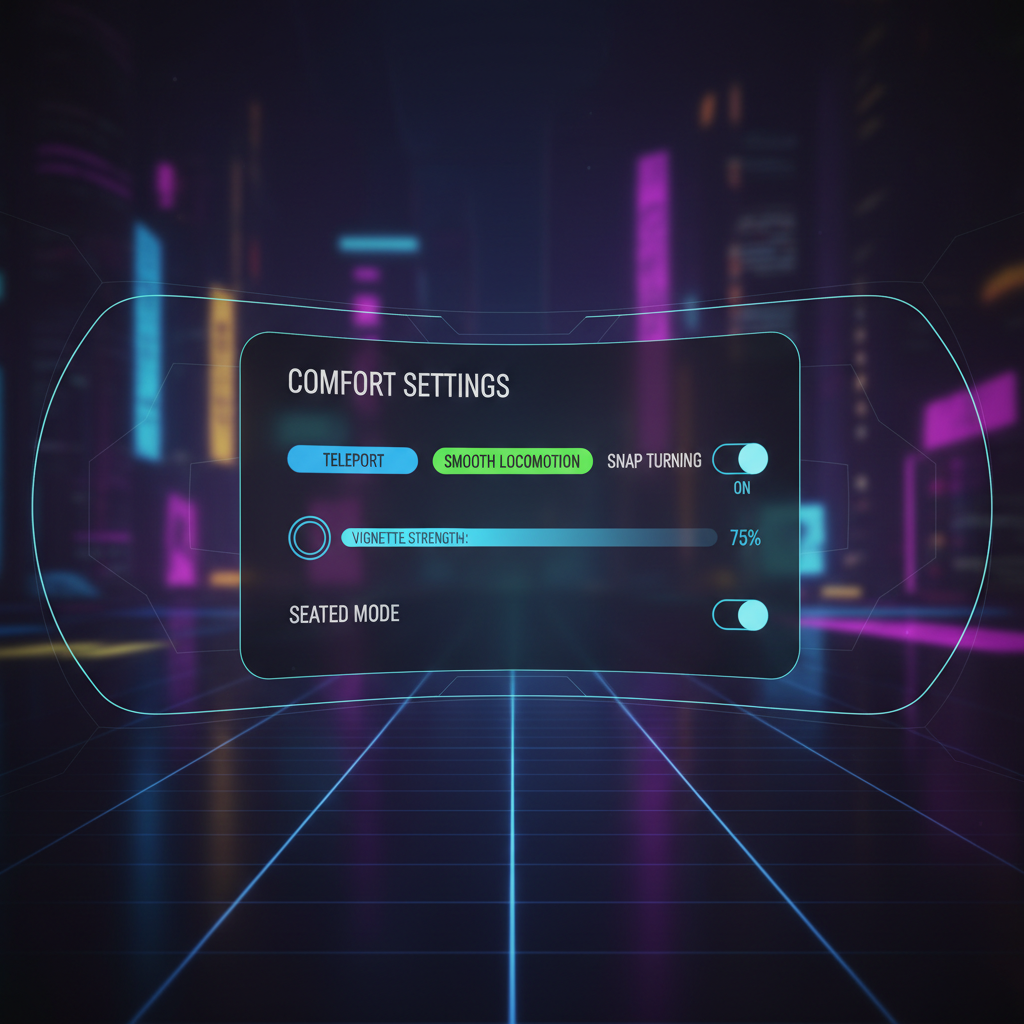
Also, check the last update date and patch notes if they’re available. Many people chase the best new VR games released 2026 but end up happier with a slightly older title that’s been polished for months.
How to evaluate a “new VR game” in 15 minutes (without overthinking)
You don’t need a spreadsheet. You need a quick routine that catches the usual problems.
Step 1: Read the comfort section like it’s the feature list
Comfort options are not fluff, they’re core functionality. If the store page doesn’t mention movement settings at all, treat that as a yellow flag.
Step 2: Scan reviews for patterns, not star ratings
Look for repeated mentions of the same issue: “blurry,” “crashes,” “no checkpoint,” “arms get tired,” “multiplayer dead.” Patterns beat vibes.
Step 3: Check platform details and performance notes
A release can be “new” and still struggle on older hardware. According to Valve, PC VR performance depends heavily on your PC specs and rendering settings, so matching the game’s requirements to your setup matters more than a trailer.
Step 4: Confirm refund rules before you click buy
Refund windows differ by platform and can change. According to Meta, their store has specific refund eligibility rules and time limits, so it’s smart to read the current policy if you’re trying unfamiliar releases.
Recommendations by scenario (what to buy depending on your life)
This is where “best” becomes realistic. Pick the lane that matches how you actually play.
If you’re new to VR or motion-sensitive
- Prioritize comfort settings, slower pacing, readable UI.
- Favor puzzle, exploration, narrative, rhythm experiences.
- Enable snap turning and start with shorter sessions, your tolerance often builds gradually.
If you only play on standalone
- Buy games with a reputation for solid optimization and stable frame rate.
- Prefer art direction over “photoreal,” because it typically ages better on mobile chips.
- Check storage size, big installs add friction if you rotate games a lot.
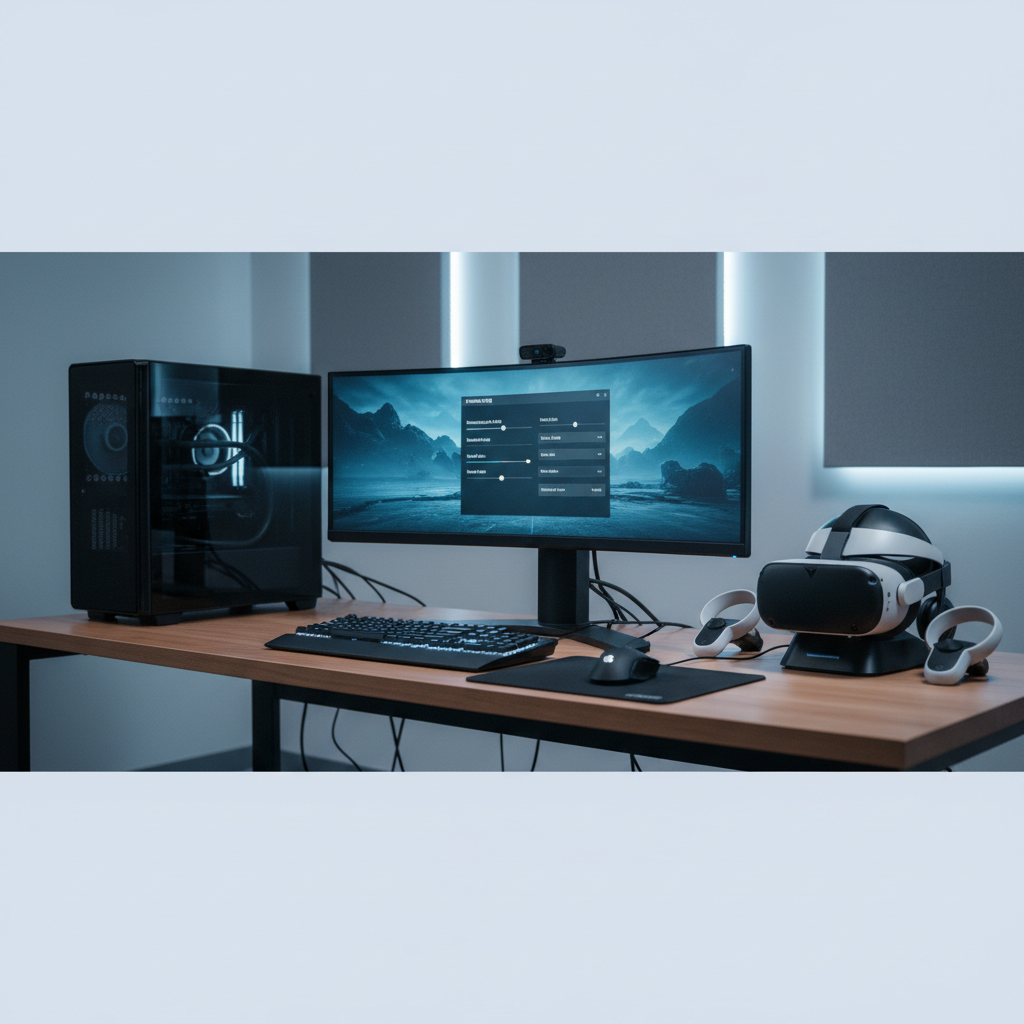
If you’re on PC VR and you care about fidelity
- Look for adjustable resolution scaling, graphics presets, and clear GPU targets.
- Budget time for settings, many high-end VR games need a few tweaks to feel great.
- If you use wireless PC VR, network stability matters as much as your GPU.
If you buy VR mainly for friends and family
- Choose party-friendly mechanics and short rounds, you want quick laughs, not homework.
- Prioritize games with strong onboarding and clear roles.
- Check cross-play if your group mixes headsets.
Safety and comfort: small adjustments that make VR feel better
VR discomfort is common, and it’s not a moral failure. If you feel dizzy or nauseated, stopping early usually helps more than “pushing through.” If symptoms persist or you have a medical condition, it’s sensible to consult a healthcare professional.
- Start with comfort modes, then dial up intensity later if you want.
- Use a fan aimed toward you, it often reduces discomfort for many players.
- Keep sessions short at first, especially with smooth locomotion.
- Clear your space and confirm guardian/boundary settings before active games.
For kids and teens, follow headset maker guidance on age, fit, and supervision. According to PlayStation, VR products include safety and health warnings that users should review before play.
Key takeaways (so you can decide today)
- “Best” depends on your comfort tolerance, headset, and session style, not hype.
- When you shop the best new VR games released 2026, verify movement options and platform compatibility before anything else.
- Use patterns in reviews and patch notes to avoid common regrets.
- If you’re unsure, choose polished comfort-first releases, then explore riskier action games later.
Pick two candidates, run the checklist, and buy the one that matches your real setup, not the trailer. If you want an easy next step, make a short “must-have” list: comfort mode, seated support, cross-play, whatever matters most to you, then don’t compromise on it.
FAQ
How do I find the best new VR games released 2026 for my specific headset?
Start on your headset’s native store filter, then cross-check the developer site for platform notes. If a game supports multiple platforms, confirm whether features match across versions, they often differ.
Are 2026 VR releases better on PC VR or standalone?
It depends on the game. PC VR typically wins on visuals and tuning flexibility, while standalone wins on simplicity. If you hate troubleshooting, standalone can feel “better” even with lower fidelity.
What comfort settings matter most if I get motion sick?
Teleport locomotion, snap turning, adjustable vignette, and a seated mode cover most needs. A good sign is when the game offers multiple presets instead of a single “comfort” toggle.
How can I tell if a new VR game is a short tech demo?
Look for concrete content claims: campaign length ranges, progression systems, level variety, and update cadence. If the store page leans entirely on visuals with vague wording, be cautious.
Should I wait for patches before buying newly released VR games?
Often, yes, especially for multiplayer and performance-heavy games. If you’re sensitive to stutters or crashes, waiting a couple weeks can save frustration, but it varies by studio track record.
Is mixed reality a must-have feature in 2026 VR games?
No. MR can be great for room-scale play and novelty, but a strong VR-only game still delivers. Treat MR as a bonus unless you specifically want in-room gameplay.
What’s the fastest way to avoid buying the wrong version?
Confirm the exact store listing, edition name, and supported headsets, then check whether it’s cross-buy or separate purchases. Confusion here is one of the most common causes of instant regret.
If you’re trying to narrow down the best new VR games released 2026 without spending your weekend reading store pages, a curated shortlist based on your headset, comfort level, and preferred genres can be a more relaxed way to choose, especially if you plan to buy more than one game this year.