
best vr anime games 2026 is a search that usually means one thing: you want anime style, but you also want VR mechanics that feel good on a headset you actually own, without motion sickness or shallow “tech demo” vibes.
Here’s the honest part, VR anime is a wide bucket, it includes official anime-licensed titles, anime-inspired action RPGs, rhythm games, social VR worlds with anime avatars, and even VR mods that make flatscreen anime games feel “VR-ish” but not always comfortable.
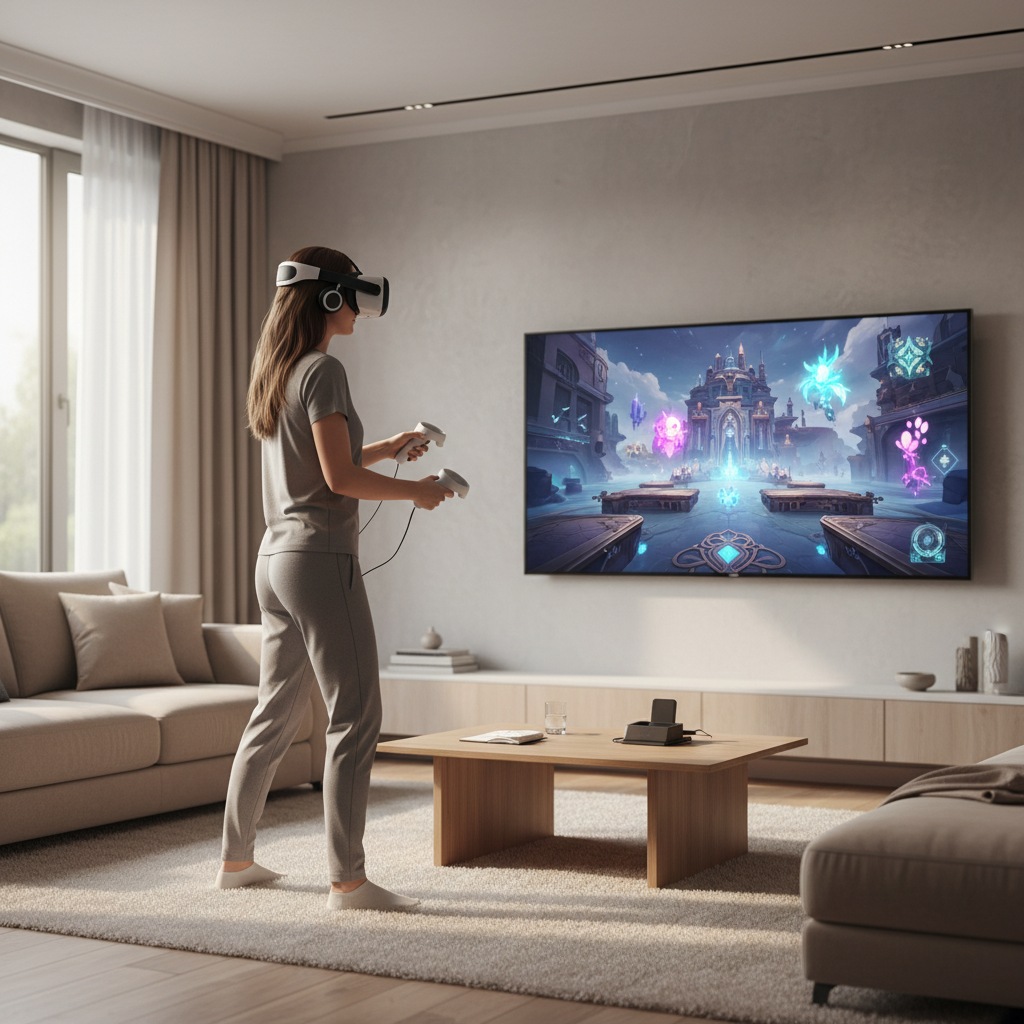
This guide focuses on what tends to matter most in the U.S. market in 2026: headset compatibility, comfort settings, time-to-fun, and whether the “anime” part shows up in art direction, story tone, or community culture, not just in a single splash screen.
Quick picks table: what to try first in 2026
If you want a fast shortlist, this table organizes common “best fit” scenarios. Availability can vary by platform and region, so treat it as a starting map rather than a promise.
| Pick type | Why it fits | Who it’s for | Comfort notes |
|---|---|---|---|
| Anime-inspired VR action | Stylized visuals, melee/ranged combat loops | Players who want “shonen energy” | Prefer teleport or snap-turn early |
| Rhythm / performance | High replay value, music-forward | Short sessions, cardio, leaderboards | Usually comfortable, standing play |
| Social VR anime worlds | Anime avatars, community events | Cosplay, roleplay, hangouts | Stick locomotion varies by world |
| VR mods (advanced) | Turns flatscreen games into VR-ish experiences | Tinkerers with strong PCs | Comfort and stability vary a lot |
What “anime VR” actually means (and why it affects your choice)
A lot of disappointment comes from mismatched expectations. In practice, “anime VR” usually lands in one of these buckets, and each one plays differently.
- Licensed anime titles: closer to the show, but sometimes limited mechanics to stay accessible.
- Anime-inspired originals: often better gameplay, less “canonical” fan service.
- Avatar-forward social VR: the anime element is you and the community, not a curated campaign.
- VR conversions/mods: can be amazing, can be janky, almost always needs tweaking.
So if you’re looking up best vr anime games 2026 expecting a single definitive list, you’ll get conflicting answers because people mean different categories when they say “best.”
How to judge a VR anime game fast (before you buy)
This is the “save your wallet” section. Most of the time you can predict whether you’ll like a title by checking a few specifics, not just trailers.
Compatibility and play space
- Headset store: Quest/Meta store vs SteamVR vs PS VR2, your refund options and performance differ.
- Roomscale vs seated: if you only have a small space, prioritize games that work well seated or standing-in-place.
- Controller style: some titles assume dual-wielding, others expect hand tracking or specific haptics.
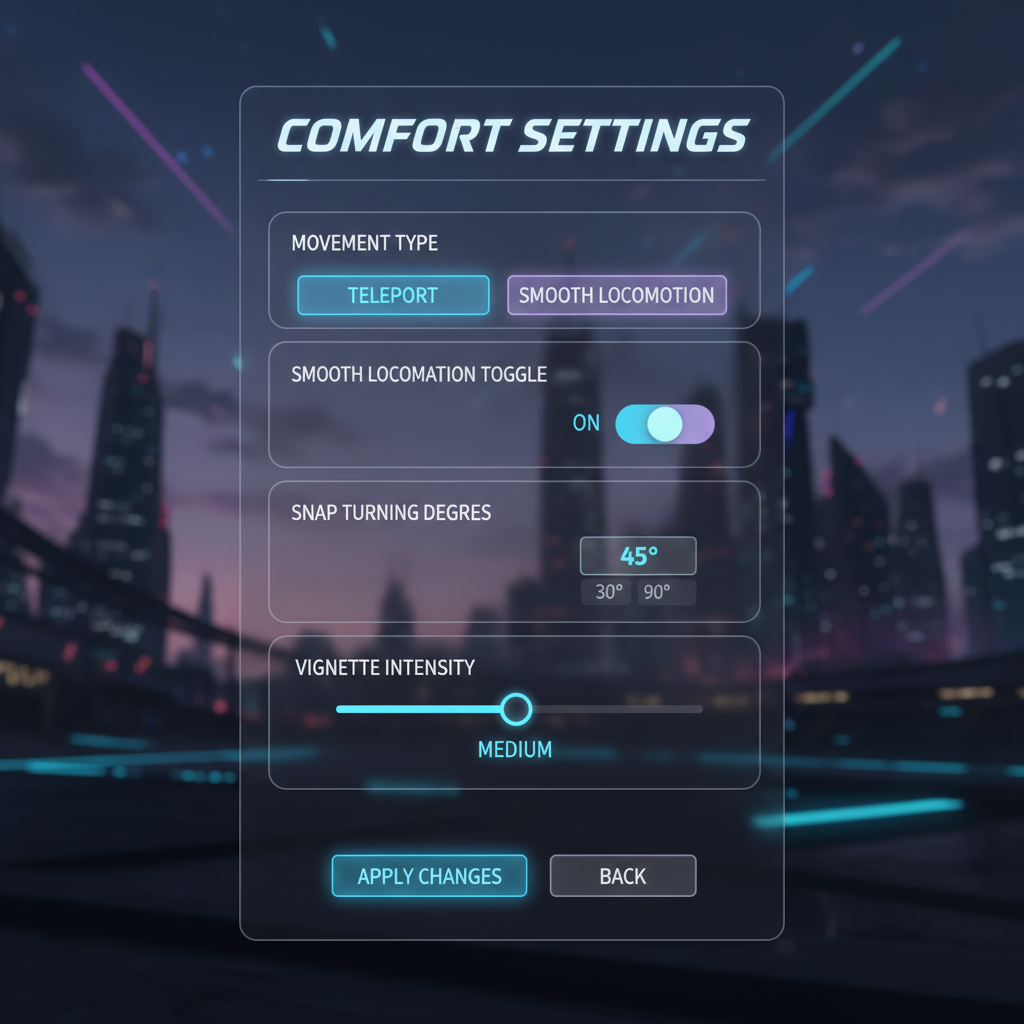
Comfort settings that matter more than graphics
- Locomotion options: teleport, dash, smooth movement, vignette, all should be present in a “comfort-aware” design.
- Turning: snap turn is a lifesaver for many people, smooth turn can be rough early on.
- Height calibration: if it’s off, sword reach and UI feel “wrong” fast.
Content signals: depth vs “demo”
- Session loop: does it have progression, builds, unlocks, or is it one arena repeated?
- Enemy variety and AI: anime visuals won’t matter if combat is predictable after 20 minutes.
- Audio and voice work: anime tone often lives in sound design as much as character art.
Self-check: which type of player are you?
Pick the closest match, then shop within that lane. This avoids the classic mistake of buying a social VR world when you actually want a story campaign.
- I want story and characters: look for narrative campaigns, visual-novel hybrids, or licensed experiences with chapters.
- I want combat and builds: prioritize action RPG systems, weapon variety, and clear difficulty scaling.
- I want to move to music: rhythm games with strong mapping tools and mod/community support usually last longer.
- I want anime avatars and friends: social VR platforms with anime-centric hubs are the real “game.”
- I want to tinker: you’re in mod land, expect setup time and occasional breakage after updates.
According to the Federal Trade Commission (FTC), you should pay attention to the terms of digital purchases and refunds, which matters in VR where comfort issues can make a game “not for you” even if it’s popular.
Recommendations by scenario (what’s likely to feel worth it)
I’m not going to pretend one list fits everyone. Instead, here are practical recommendation lanes that match how people actually buy VR games in 2026.
1) If you get motion sick easily
- Choose titles that default to teleport or dash locomotion, with strong comfort presets.
- Favor arena-based combat, rhythm, or seated cockpit-style play.
- Keep sessions short for the first week, stopping before nausea kicks in usually works better than “pushing through.”
2) If you want “shonen combat” energy
- Look for anime-inspired action games with parry windows, readable enemy tells, and weapon kits that change your approach.
- Check whether difficulty comes from smarter patterns or just bigger health bars.
- Make sure there’s a training room, VR combat without a practice space often feels punishing.
3) If you care most about anime aesthetics
- Prioritize strong cel-shaded art direction, expressive VFX, and character animation quality.
- Watch for UI clarity, some anime-styled UI looks cool but becomes unreadable in-headset.
- Skim user discussions for “visual downgrade” notes on standalone headsets.
4) If you want social anime culture in VR
- Try social VR platforms with anime avatar communities, then bookmark worlds that host karaoke, watch parties, or conventions.
- Use safety tools, mute/block, personal boundaries matter more in social VR than in solo games.
- Consider privacy settings before importing custom avatars or linking accounts.
Practical setup tips to make VR anime games feel better
Even a great pick can feel bad with the wrong setup. These are small tweaks that usually give big wins, especially for first-time VR anime players.
- Dial in IPD and fit: a slightly off lens spacing can cause eye strain fast, consult your headset guide for IPD steps.
- Use a fan: a gentle breeze reduces overheating and can help comfort during movement-heavy sessions.
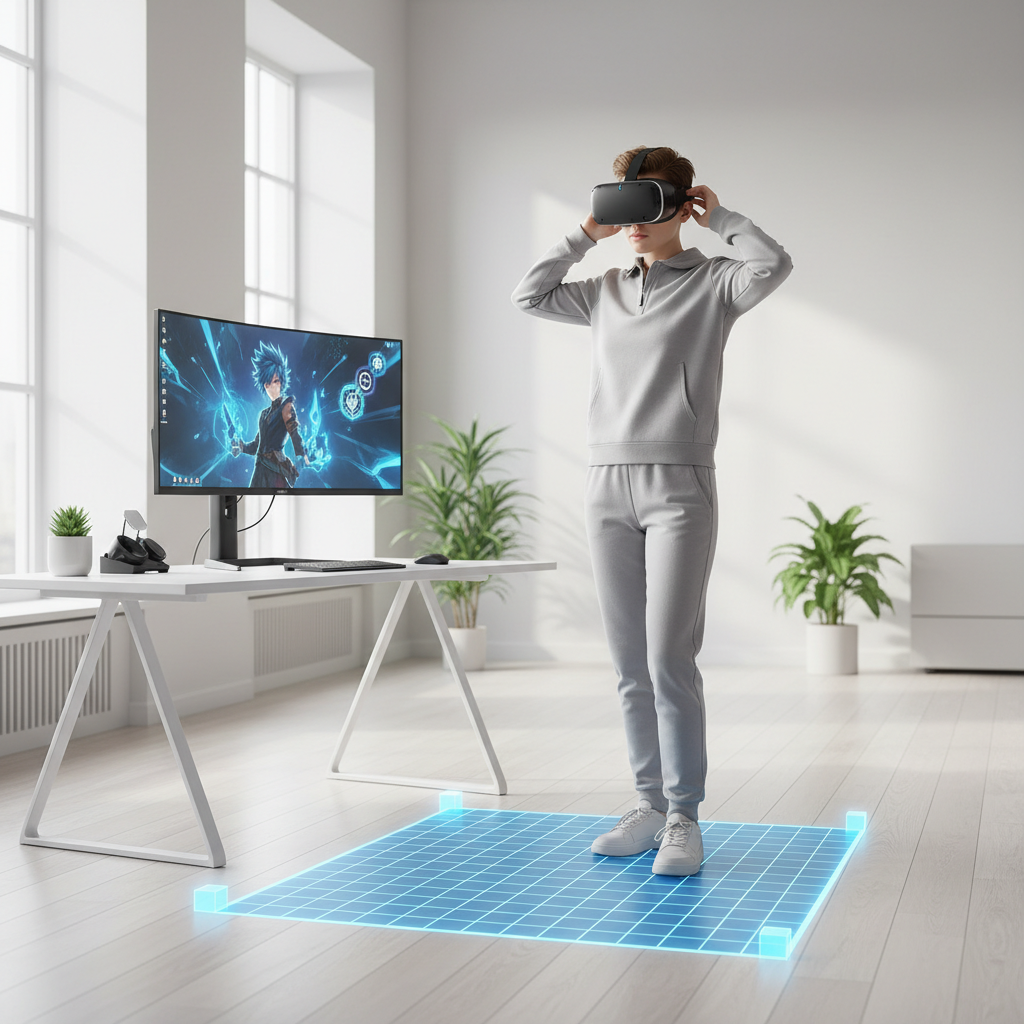
- Map your guardian/boundary carefully: sword swings and rhythm hits love to find walls.
- Audio matters: good headphones can improve positional cues, and anime tone often depends on music clarity.
According to the American Academy of Ophthalmology (AAO), taking regular breaks can help reduce digital eye strain symptoms for many people, which is worth remembering when you get pulled into long VR sessions.
Common mistakes (that make people think VR anime “isn’t there yet”)
- Buying for the IP alone: if the locomotion or interaction model doesn’t click, the license won’t save it.
- Ignoring comfort options: lots of players never open the settings menu, then blame the game for nausea.
- Expecting flatscreen pacing: VR fatigue is real, shorter, denser sessions often feel better.
- Skipping community checks: for social VR, the community culture is the product, peek before you commit time.
- Over-modding day one: mods can be great, but start vanilla so you know what you’re changing.
When to pause and ask for help
If you feel persistent dizziness, headaches, or nausea that lingers after playing, it’s smart to take a break and consider talking with a healthcare professional. VR comfort varies a lot by person, and pushing through symptoms usually backfires.
On the technical side, if you keep seeing stutters, tracking drops, or controller drift that ruins combat timing, you may need platform support, headset troubleshooting, or PC performance tuning. Many issues are solvable, but they’re not always “in-game.”
Conclusion: how to actually find your best pick in 2026
The best vr anime games 2026 won’t be a single winner, it’s the game that matches your headset, your comfort tolerance, and the kind of anime experience you mean, story, combat, music, or community.
If you want one simple next step, pick your lane from the self-check above, then choose a title with strong comfort options and a clear gameplay loop, you’ll avoid most regret purchases and get to the fun part faster.
Key takeaways
- Define “anime VR” before shopping, licensed, inspired, social, or modded experiences feel very different.
- Comfort beats hype for long-term play, especially locomotion and turning options.
- Use scenario shopping to narrow choices, motion comfort, combat, aesthetics, or social community.
FAQ
- What are the best vr anime games 2026 for beginners?
Beginners usually do best with rhythm games, arena combat with teleport options, or narrative experiences that don’t force smooth locomotion right away. - Are there “official” anime VR games or mostly anime-inspired titles?
Both exist, but availability shifts by platform. Licensed titles often emphasize fan familiarity, while inspired originals often push mechanics further. - What headset is most convenient for VR anime games in the U.S.?
Convenience depends on your tolerance for cables and PC setup. Standalone headsets are simpler, PC VR can look sharper and offer more mod options. - How do I avoid motion sickness in anime VR games?
Start with teleport or dash movement, enable snap turning, keep sessions short, and stop at the first sign of nausea rather than trying to “train through.” - Do VR mods count as real VR anime games?
They can feel close, but comfort and stability vary a lot. If you like tweaking settings and accept occasional bugs, mods can be worth it. - What should I look for in reviews before buying?
Look for notes about comfort settings, performance on your headset, content depth beyond the first hour, and whether updates are consistent.
If you’re trying to narrow down best vr anime games 2026 without burning money on guesses, make a short list based on your comfort needs and headset store, then test one title with a solid refund policy and strong comfort presets so you can iterate quickly.