
Top games with city building and disaster events are the sweet spot when you want relaxing planning one minute, then a wildfire, quake, or budget shock forces real decisions the next.
If you have ever bounced off “pure” city builders because they feel too calm, or you quit disaster-heavy sims because they feel unfair, this list is meant to sit in the middle, games where catastrophe is a system you can learn, not just a random punishment.
I also call out what each game does well, what tends to frustrate players, and what kind of “disaster loop” you are actually signing up for, because not every storm, riot, or outbreak feels the same once you are 10 hours in.
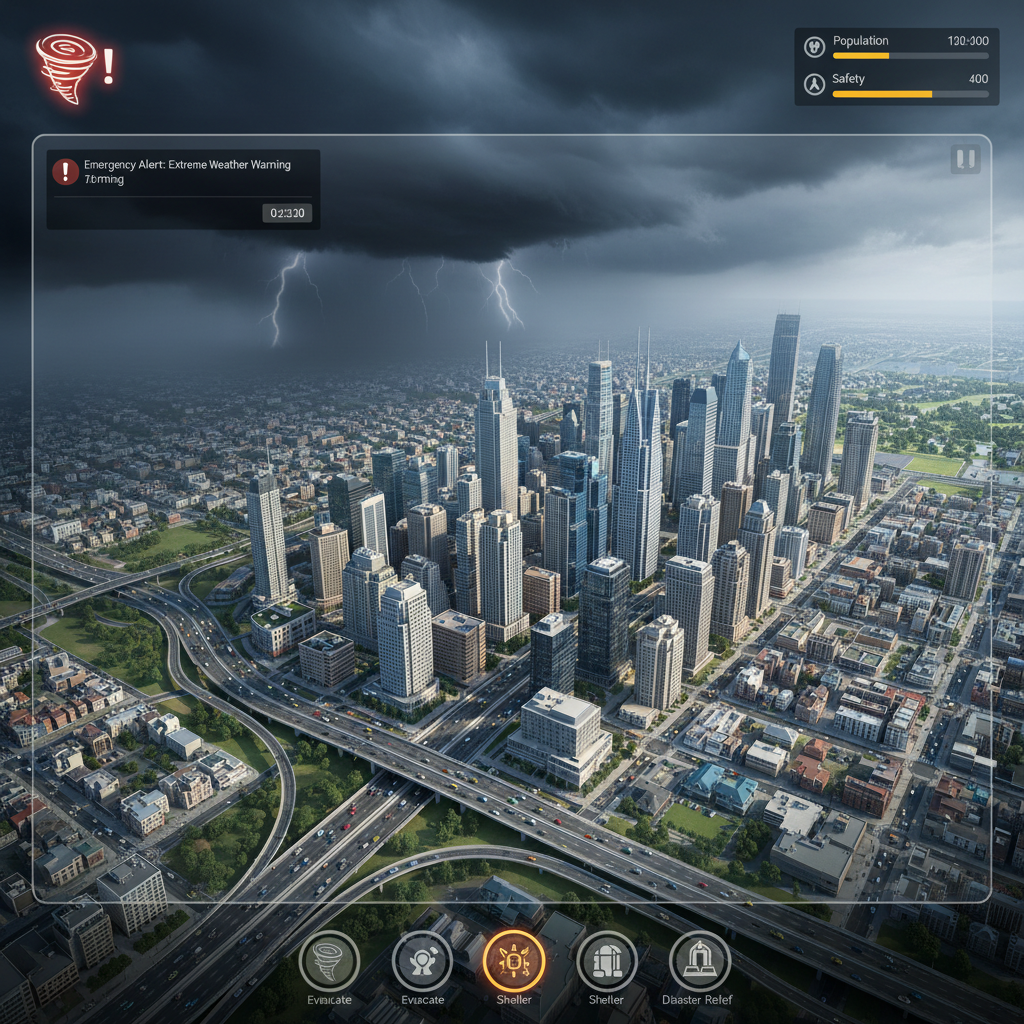
What “disaster events” really mean in city builders
In city builders, “disasters” usually fall into three buckets, and knowing which one a game favors saves you a lot of buyer’s remorse.
- Natural hazards: earthquakes, tornadoes, fires, floods, drought, storms.
- Infrastructure failures: blackouts, water contamination, traffic collapse, supply-chain bottlenecks.
- Social and economic shocks: unemployment spirals, crime waves, disease, political instability, refugee influx.
Some games randomize events aggressively, others keep them tied to your choices, like overbuilding on a floodplain or ignoring redundancy. Many players say they want “more disasters,” but what they often want is clear cause-and-effect, plus tools to respond.
Also worth flagging: some titles lock meaningful disasters behind DLC or scenario modes, so the base game can feel calmer than trailers imply.
Quick comparison table: best picks by disaster feel
If you want a fast shortlist, use this table as a filter, then jump to the notes for each title.
| Game | Disaster style | Best for | Watch-outs |
|---|---|---|---|
| Cities: Skylines (+ Natural Disasters DLC) | Natural hazards + service response | Classic modern city-building with “emergency management” | DLC often needed for full disaster loop |
| Frostpunk | Climate catastrophe + moral pressure | Hard choices, tight survival planning | Intense tone, not a chill sandbox |
| SimCity (2013) | Regional events + crises | Compact cities and quick disaster cycles | Small map scale, older systems |
| Surviving the Aftermath | Apocalypse hazards + expeditions | Post-disaster rebuilding and resource logistics | Colony feel more than “big city” feel |
| Banished | Harsh seasons + starvation risk | Slow-burn management where mistakes snowball | Less “spectacle,” more quiet failure |
| Tropico 6 | Storms + political crises | City building with comedy and power management | Disasters can be lighter depending on settings |
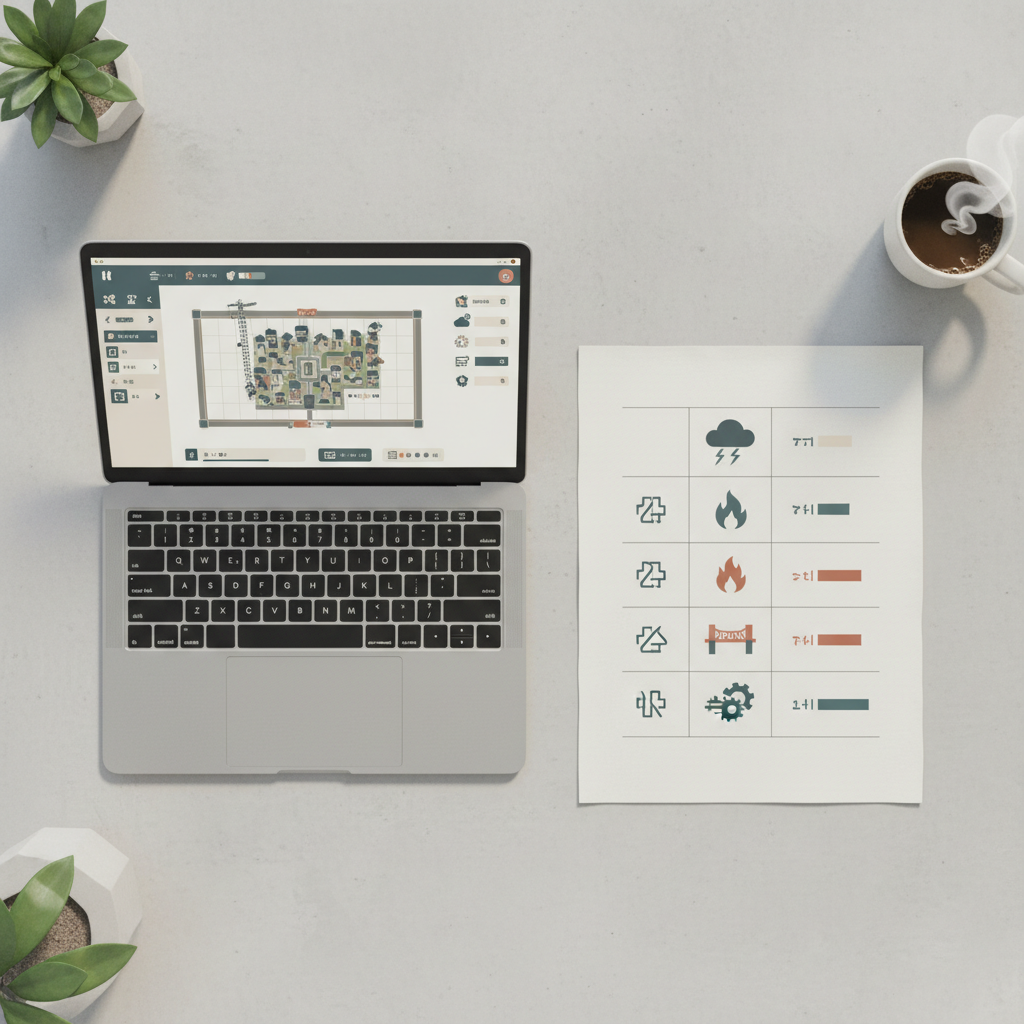
Top games with city building and disaster events (and what they actually feel like)
Cities: Skylines (with Natural Disasters DLC if you want the full loop)
This is the obvious entry, and it earns the spot because the core city builder is deep, then disasters add a second job: redundancy planning. You stop asking “how do I grow?” and start asking “what fails first?”
- What works: emergency services, evacuation routes, and zoning choices matter more when storms hit.
- Disaster vibe: readable and managerial, you can usually trace why damage got out of hand.
- Good fit if: you like tuning systems, traffic, utilities, and scaling services.
In practice, it rewards boring-but-smart planning, extra power paths, multiple highway entries, spread-out fire coverage, which is exactly what a lot of players want from top games with city building and disaster events.
Frostpunk
Frostpunk is less “build a metropolis” and more “keep people alive under pressure,” but if you want disasters that feel meaningful, this is hard to beat. The catastrophe is constant, and it pushes you into tradeoffs that sting.
- What works: the “hope vs. discontent” layer, laws, and resource triage create real stakes.
- Disaster vibe: relentless climate threat, plus cascading shortages.
- Good fit if: you enjoy survival strategy and don’t mind a darker tone.
According to Steam, player tags and reviews often highlight its survival focus and difficult decisions, which matches what you feel in the first few hours.
SimCity (2013)
SimCity’s scale is smaller than many modern builders, but that can actually make disaster events feel punchier. You see effects fast, and a bad call can box you in quickly.
- What works: regional play and specialized cities can create interesting risk tradeoffs.
- Disaster vibe: frequent, sometimes “event-like,” good for shorter sessions.
- Good fit if: you want a tighter loop, less sprawl, more quick iteration.
If you are shopping strictly for top games with city building and disaster events, SimCity still holds up for that “compact crisis” feel, even if it is not the most modern sandbox.
Surviving the Aftermath
This one flips the premise: disaster already happened, now you rebuild while new hazards keep arriving. It sits between city builder and colony sim, and the map exploration layer can become the star.
- What works: scavenging, tech progression, and balancing colony needs with world-map expeditions.
- Disaster vibe: environmental threats, raids, and scarcity-driven setbacks.
- Good fit if: you like logistics and “plan for the next crisis” gameplay.
Banished
Banished does not do cinematic tornadoes, it does the slow panic of a food graph tipping the wrong way. Winter is the disaster, and overexpansion is the trigger.
- What works: production chains are simple to read but hard to balance long-term.
- Disaster vibe: quiet, systemic collapse, often caused by one small miscalculation.
- Good fit if: you like calm visuals with unforgiving math under the hood.
Tropico 6
Tropico 6 mixes storms and crises with politics, factions, and tourism. It is playful, but you can still end up in a real mess when infrastructure lags behind growth.
- What works: juggling economy types, edicts, and citizen expectations while reacting to disruptions.
- Disaster vibe: spikes of damage plus longer political aftershocks.
- Good fit if: you want character and humor without losing management depth.
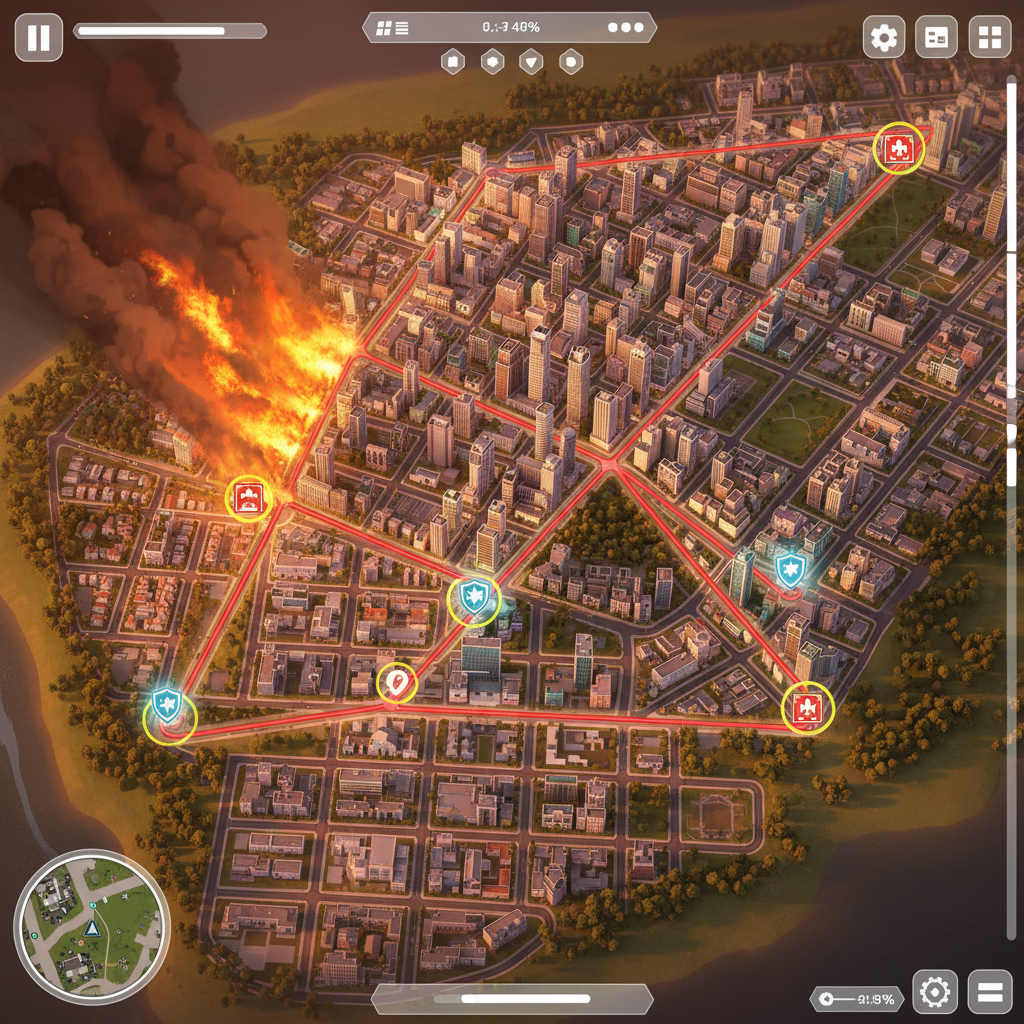
How to choose the right game for your disaster tolerance
Players often say they want “challenge,” then discover they really wanted recoverability, the sense that a bad event hurts but does not waste the whole save.
- If you want cinematic disasters: lean toward Cities: Skylines (with disasters enabled) or SimCity.
- If you want moral pressure and survival: Frostpunk is the cleaner pick.
- If you want rebuilding after collapse: Surviving the Aftermath fits better than traditional city sims.
- If you want a slow, systemic threat: Banished tends to scratch that itch.
One practical check, ask yourself whether you prefer events you respond to or risks you prevent. The first is more about dispatch and recovery, the second is more about redundancy and pacing.
Practical setup tips to make disasters fun, not annoying
Even in top games with city building and disaster events, the experience changes a lot based on difficulty, frequency sliders, and how you expand.
Use “redundancy” as your default build style
- Run backup power or water lines, avoid single points of failure.
- Keep at least two major road routes into key districts, especially industrial zones.
- Spread emergency services coverage, don’t cluster everything downtown.
Build a response budget before you chase growth
- Leave cash flow room for repair spikes, extra staffing, and temporary services.
- Keep a “pause and stabilize” habit after big expansions.
Practice one crisis on purpose
Pick one manageable disaster type, like a fire or localized storm, then test your city with it. You learn faster by running a controlled failure than by hoping the randomizer teaches you politely.
Common mistakes that make disaster systems feel unfair
- Expanding too fast: big population jumps without utilities and services usually turn normal events into spirals.
- Over-trusting one “perfect” district: a single high-density core can become a single catastrophic loss point.
- Ignoring info tools: overlays, heatmaps, and alerts often explain the why, but many players never look.
- Confusing spectacle with depth: a flashy tornado is fun once, a well-designed recovery loop stays fun.
According to FEMA, preparedness planning generally emphasizes identifying risks, maintaining supplies, and practicing response, and while games are not real life, the same pattern usually applies inside simulations.
When it makes sense to look for mods, DLC, or a different sub-genre
If you like your city building but feel disaster events are too mild, DLC or mods can help, but it is not always the right fix.
- Try DLC/mods when: you already enjoy the base loop and just want more hazard variety or smarter AI response.
- Switch games when: the disaster layer feels bolted on, or you keep wishing the core economy and citizens reacted more.
- Be cautious with heavy mods: instability and save corruption are possible, so backing up saves is worth the minute.
If you are playing on console, your best “mod alternative” is usually scenario packs and difficulty tuning, plus deliberately restricting yourself, like no unlimited money, limited loans, or mandatory evacuation drills.
Conclusion: pick the disaster loop you want to replay
The best top games with city building and disaster events are the ones where you can explain what went wrong, then rebuild smarter, not just reload and hope for better luck.
If you want a classic sandbox with memorable storms, start with Cities: Skylines and decide whether you want the disaster DLC early. If you want a tighter, more emotional pressure cooker, Frostpunk is the more committed choice.
Your next move, choose one game, set disasters to “medium,” then do a small city run where you prioritize redundancy over growth, it is the fastest way to figure out whether you enjoy response gameplay or prevention gameplay.
FAQ
What are the top games with city building and disaster events for beginners?
Cities: Skylines is usually approachable because you can control frequency and intensity, then learn step by step. Tropico 6 also works if you prefer a lighter tone and don’t mind politics layered into building.
Do I need DLC to get disasters in Cities: Skylines?
Many players buy the Natural Disasters DLC because it adds a more explicit disaster loop, like evacuation and shelters. Without it, you still get challenges, but they skew more toward traffic and service optimization than big hazard events.
Which game has the most realistic disaster management?
“Realistic” depends on what you mean, infrastructure redundancy and service coverage in Cities: Skylines can feel grounded, while Frostpunk is more like an extreme survival thought experiment. Neither is a training tool, but both teach planning habits.
Are disaster events mostly random, or do they depend on my choices?
It varies by title and settings. Many games mix both, the event might be random, but the damage often depends on your layout, budgets, and response capacity.
What if I hate losing hours of progress to one bad event?
Look for games with clear warning systems and strong recovery tools, or reduce frequency and intensity. Keeping rolling saves also helps, and it does not “ruin” the experience if your goal is learning the systems.
Which city builders focus on slow disasters like famine or economic collapse?
Banished leans into seasonal hardship and supply mismanagement, and it can feel brutal in a quiet way. Frostpunk also does slow-burn collapse, but with more narrative pressure and explicit crisis beats.
Can kids play these disaster city builders safely?
Most are rated for teens or older depending on the title, and some themes may be intense, especially Frostpunk. Checking the platform rating and content notes is sensible if you are buying for a younger player.
How do I make disasters feel challenging but not frustrating?
Use mid-range settings, build redundancy early, and run a controlled “test disaster” in a smaller city. The goal is to practice recovery, not to prove you can survive max difficulty on the first save.
If you are trying to pick between a few options and want a more “matched” recommendation, tell me what you enjoy most, sandbox creativity, survival stress, political management, or logistics, and whether you want big cinematic disasters or quieter systemic failures, then you can narrow to one or two games fast.