
Best games with snow survival and cold mechanics are the ones that make you think about heat, shelter, wind, and calories as much as enemies or quests, and that’s exactly what many players want when “winter vibes” alone stop feeling satisfying.
If you’ve ever bounced off a snowy game because cold was just a blue screen filter, you’re not alone. Good cold systems change your route choices, your loadout, even how long you risk staying outside, and that tension can be more memorable than any boss fight.
This list focuses on games where cold exposure, weather, and survival loops matter moment to moment, not just in a tutorial. I’ll also flag what each game does well, what it tends to frustrate people, and who it fits best.
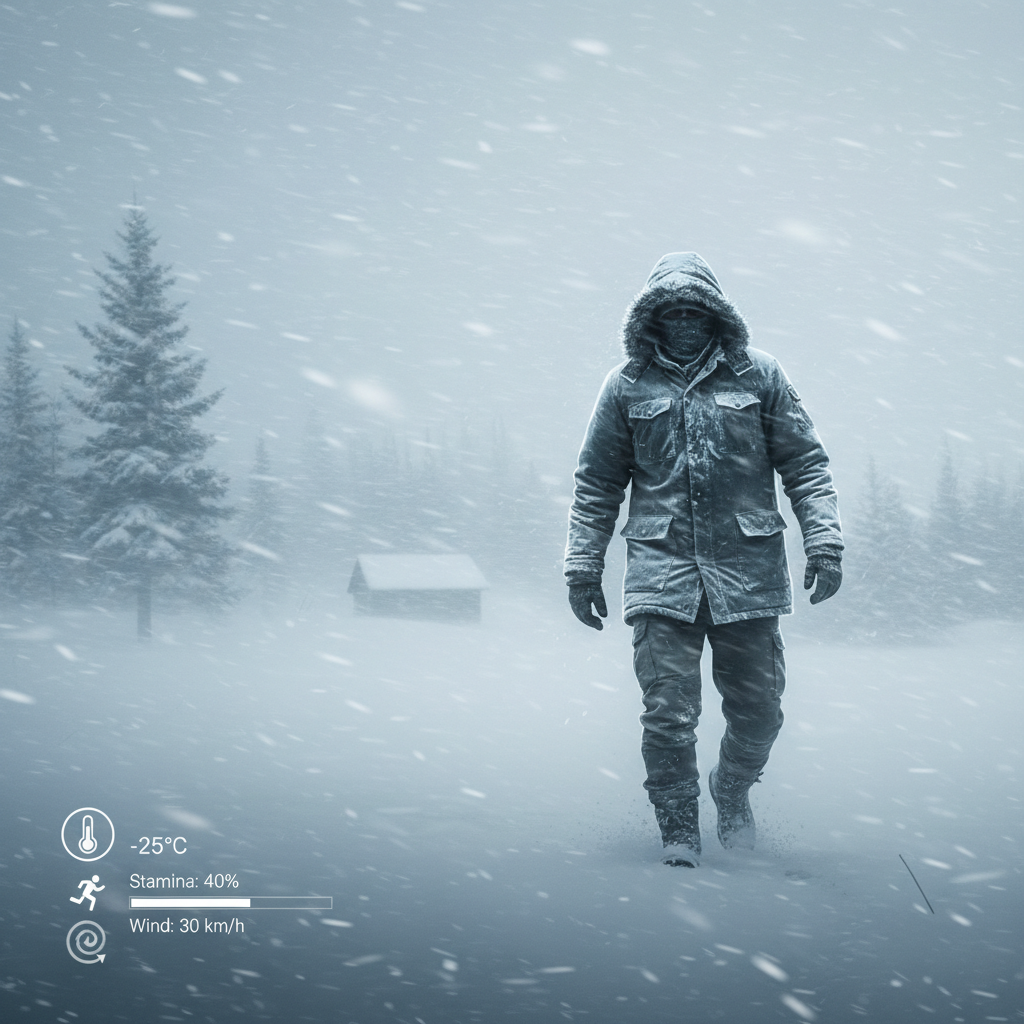
What “cold mechanics” should actually mean (not just a snow map)
Cold mechanics feel meaningful when the game forces trade-offs. Warmth can be a resource, clothing becomes progression, and storms change your plan instead of merely slowing you down.
Look for systems like these:
- Temperature as a real timer: exposure ramps up risk, pushing you toward shelter.
- Wind + wetness penalties: getting soaked or hit by gusts matters, not just the ambient temp.
- Heat sources you can manage: fires, stoves, torches, generators, or body heat mechanics.
- Material choices: fur vs. synthetic, layering, durability, and repair loops.
- Weather that disrupts navigation: whiteouts, reduced visibility, frozen terrain changes.
Also worth saying out loud: the “best” games with snow survival and cold mechanics vary by tolerance for friction. Some people want a calm, methodical sim; others want action where cold adds pressure but doesn’t dominate the whole experience.
Quick comparison table: top picks by vibe and intensity
Here’s a fast way to narrow down the best games with snow survival and cold mechanics based on what you actually want to feel while playing.
| Game | Cold System Feel | Best For | Watch Outs |
|---|---|---|---|
| The Long Dark | Harsh, readable, sim-leaning | Pure winter survival, slow tension | Pacing can feel slow, permadeath stress |
| Frostpunk | City survival driven by temperature | Management + moral pressure | Less “first-person” exploration |
| Subnautica: Below Zero | Cold as traversal constraint | Story + exploration with survival edges | Land segments can feel uneven |
| Project Zomboid (winter settings) | Deep sim, configurable difficulty | Sandbox survival with weather realism | Steep learning curve, jank expected |
| Don’t Starve / Together | Seasonal cold with tight resource loops | Co-op chaos, survival mastery | Can be punishing early |
Best games with snow survival and cold mechanics (editor’s picks)
The Long Dark
If you want cold to be the main antagonist, this is usually the first stop. The temperature, wind chill, clothing warmth, and the constant need for calories make every “just one more building” decision feel risky.
- Why it works: readable UI feedback, strong shelter-to-shelter gameplay loop, weather that genuinely changes routes.
- Who it fits: players who like quiet tension, scavenging, and planning.
- Small reality check: you’ll spend time walking and managing inventory, and that’s the point.
Frostpunk
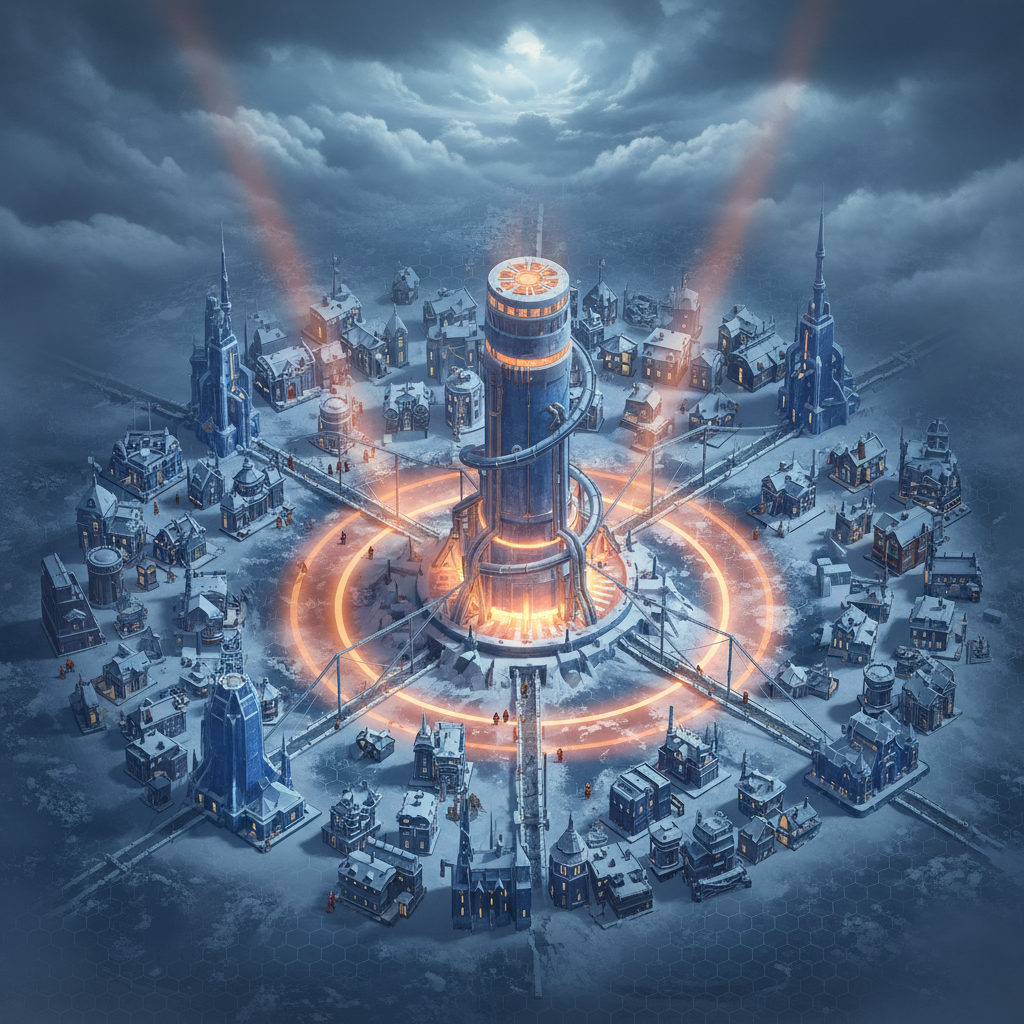
Frostpunk turns cold into an ethical management problem. Heat coverage, coal supply, and citizen health become interlocked, and temperature drops hit like a story beat and a systems beat at once.
- Why it works: the city’s survival is visibly tied to heat decisions.
- Who it fits: strategy players who want pressure and tough choices.
- Small reality check: if you want wandering in snowdrifts with a backpack, this isn’t that.
Subnautica: Below Zero
This one mixes underwater survival with above-water cold exposure. The cold mechanics matter most when you’re on land, pushing you to plan short runs, use warming tools, and think about shelter placement.
- Why it works: exploration remains the core, cold adds time pressure and routing.
- Who it fits: players who want a narrative pull plus crafting.
- Small reality check: the cold loop can feel lighter than dedicated winter sims.
Project Zomboid (winter-focused runs)
Project Zomboid’s weather systems can make winter runs feel brutal in a grounded way, especially when you factor in clothing layers, wetness, and the way long scavenging trips can turn into slow emergencies.
- Why it works: simulation depth and difficulty tuning, winter becomes a campaign-defining constraint.
- Who it fits: sandbox survival fans who enjoy learning through failure.
- Small reality check: interface and animations can feel rough, that’s part of its charm for some, a deal-breaker for others.
Don’t Starve / Don’t Starve Together
Winter hits hard because it squeezes your margins. You’re not just chasing warmth, you’re racing food spoilage, sanity, and combat risks while trying to stay ready for seasonal threats.
- Why it works: seasonal pacing feels sharp, preparation gets rewarded.
- Who it fits: players who like repeating runs, learning patterns, and co-op coordination.
- Small reality check: it’s easy to feel “unfair” until the systems click.
A quick self-check: which winter survival experience do you actually want?
Before you buy anything, answer these honestly. It saves money and prevents the “this is too slow” or “this is too stressful” regret.
- I want realism, even if it’s slow and methodical.
- I want challenge, but I still need action and variety.
- I want management more than first-person immersion.
- I want co-op, where winter punishes the whole group.
- I hate inventory friction and micromanagement.
If you checked realism and don’t mind slow pacing, start with The Long Dark. If you checked management, Frostpunk has the cleanest “cold drives everything” design. If co-op matters, Don’t Starve Together tends to deliver the most shared chaos.
Practical tips to enjoy cold mechanics (without turning it into a chore)
Cold-focused survival games can be satisfying, but they also punish autopilot. These habits usually make the genre click faster.
Build a “warmth budget” mindset
Think in time chunks, not distance. How long can you stay outside before risk spikes, and where is the nearest reset point?
- Plan short loops from shelter, then expand.
- Carry one “panic option” item if the game supports it, like fuel, a flare, or emergency food.
- Avoid pushing into unknown areas late in the day cycle.
Don’t over-loot early
A lot of people lose interest because they spend 30 minutes sorting items. In many of the best games with snow survival and cold mechanics, mobility matters more than owning everything.
- Prioritize: warmth, calories, navigation, then crafting.
- Drop duplicates unless the game’s durability systems demand backups.
- Create “cache” stashes at key shelters instead of hauling all day.
Respect visibility and navigation
Whiteouts and storms often exist to make you commit mistakes. If you keep dying “randomly,” it’s often route memory and visibility, not bad luck.
- Use landmarks and predictable paths, even if longer.
- Turn back early when the storm cues start.
- If the game has mapping, make it a habit, not an afterthought.
Common mistakes: why cold mechanics feel “annoying” (and how to avoid that)
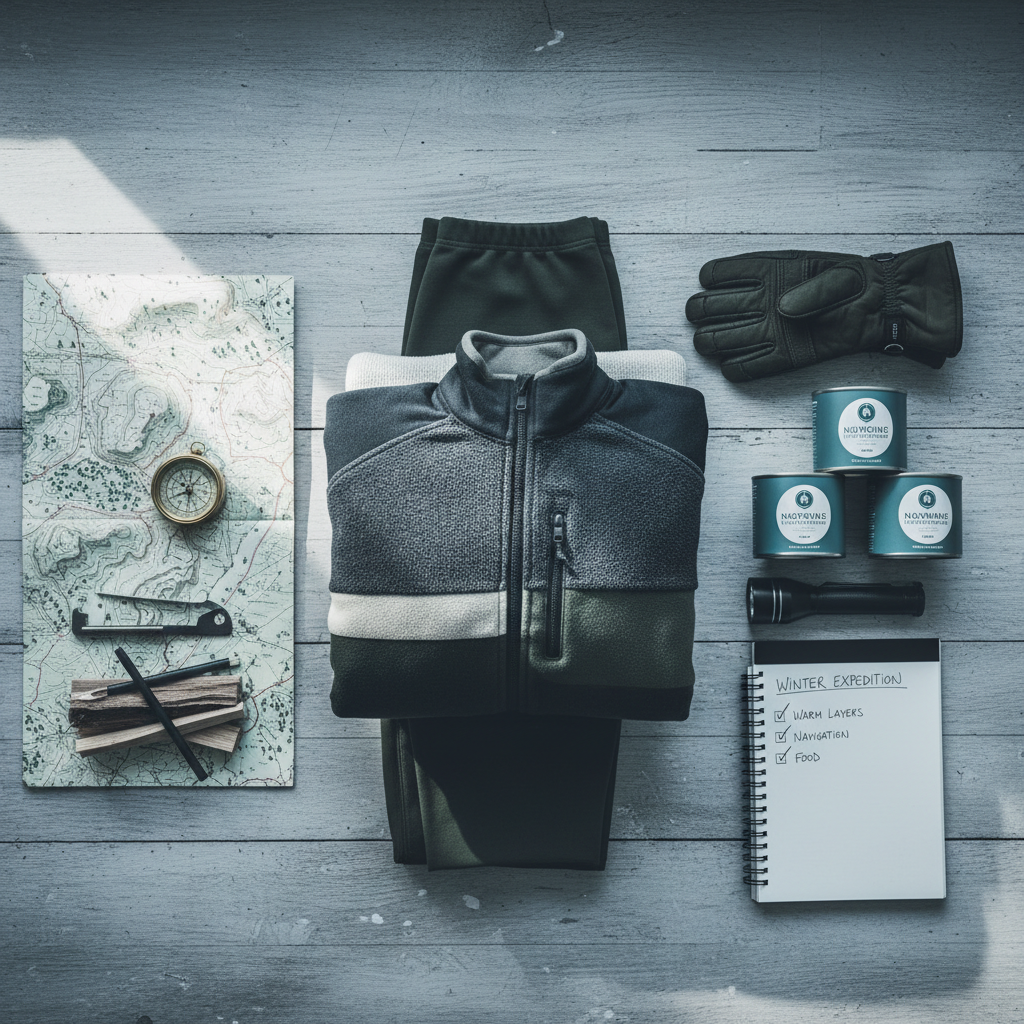
Cold systems get a bad reputation when players treat them like an obstacle course instead of a planning layer. A few patterns show up a lot.
- Ignoring wind: many games model wind chill, so “same temperature” can still kill you in open terrain.
- Chasing perfect gear: you often need “good enough now,” not “best possible later.”
- Overcommitting to one run: storms, wolves, or stamina crashes stack, and the comeback window closes fast.
- Misreading difficulty: some titles are meant to be punishing by default, lowering settings is not “cheating,” it’s matching your time and mood.
According to the U.S. National Weather Service, wind chill can make conditions feel significantly colder and increase cold-related risk, and games that model wind are basically borrowing that real-world logic for drama and decision-making.
Key takeaways (if you just want the shortlist)
- The Long Dark is the cleanest pick for pure snow survival tension.
- Frostpunk makes cold feel strategic and moral, not just physical.
- Below Zero offers a lighter cold loop wrapped in exploration and story.
- Project Zomboid shines if you want winter realism in a configurable sandbox.
- Don’t Starve Together rewards preparation and teamwork, winter becomes a skill check.
Conclusion: pick the cold you want to live with
The best games with snow survival and cold mechanics don’t just punish you, they teach you to plan, to read weather, to value shelter, and to accept that sometimes the smart move is turning around.
If you want one action step, choose your “winter style” first, then buy: slow and immersive, strategic and managerial, or co-op and chaotic. After that, set a goal for your first session, survive one storm, build one reliable shelter loop, and stop there. You’ll know quickly if the cold feels exciting or exhausting.
FAQ
- What are the best games with snow survival and cold mechanics for beginners?
Many beginners do well with titles that explain temperature clearly and let you adjust difficulty. The Long Dark (on easier modes) or Below Zero can be gentler entry points, depending on whether you want pure survival or more narrative. - Which game has the most realistic hypothermia-style gameplay?
The Long Dark is often considered one of the most convincing because cold, wind, clothing, and calories interact constantly. “Most realistic” still depends on what realism means to you: medical detail, or decision pressure. - Are there good co-op winter survival games with real cold systems?
Don’t Starve Together is a strong co-op pick where winter forces group prep and role planning. Some sandbox games also support multiplayer, but the feel can vary a lot by server settings and mods. - Is Frostpunk a survival game or a strategy game?
It’s primarily city-building strategy with survival stakes. You’re managing heat, labor, and social stability, so the “survival” is about the settlement more than one character. - How do I tell if a game’s cold mechanic is meaningful before buying?
Check whether temperature affects core decisions: routing, shelter use, gear choices, and time pressure. If cold only reduces health slowly with easy healing, it may function more like a background hazard than a true system. - Do cold mechanics make games too stressful?
They can, especially with permadeath or long travel times. If you want the atmosphere without the pressure, look for adjustable difficulty, sandbox modes, or games where storms are occasional rather than constant. - What settings usually make winter survival more enjoyable?
Lowering item scarcity slightly, reducing permadeath penalties, or increasing UI clarity often helps. You still engage the cold loop, but you spend less time redoing early-game chores.
If you’re trying to decide between two options, a good approach is to tell yourself what you want the cold to do: be the main enemy, be a strategic constraint, or be a flavorful layer on top of exploration, then pick the game that matches that role instead of chasing hype.