
Best vr family games 2026 is really a search for two things at once, fun everyone can share and a setup that does not end with someone dizzy or frustrated. The good news, you have more genuinely family-safe options now than a couple years ago, but the “best” list changes fast depending on your headset, play space, and the ages in your house.
Most families get stuck on the same pain points, one person hogs the headset, younger kids struggle with controls, and the first intense roller-coaster style demo ruins the mood. This guide filters games by what actually matters at home, comfort, session length, room requirements, and how well a game handles mixed skill levels.
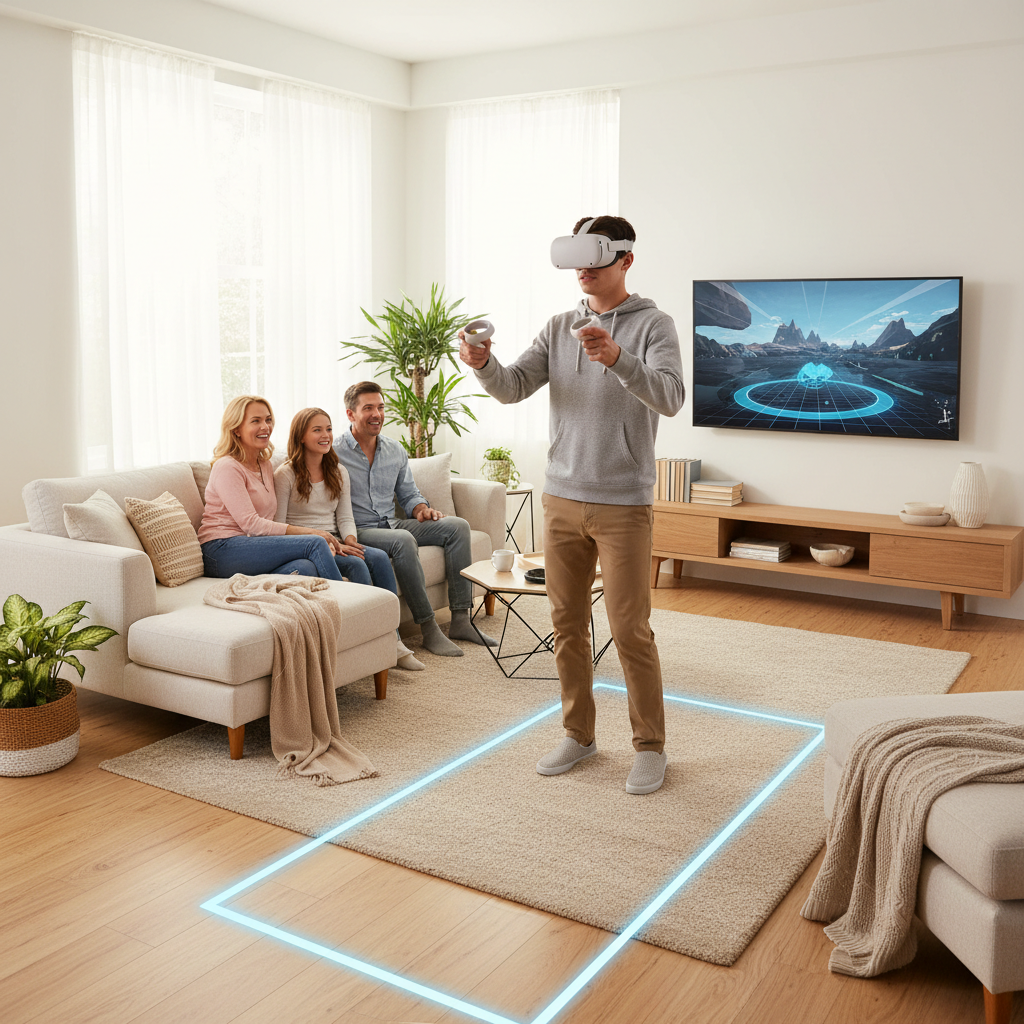
One more thing before we get into titles, VR ratings can be confusing. A game can be cartoon-cute and still have movement that makes people uneasy, or voice chat that you may not want on by default. So I’ll call out comfort and supervision notes, not just whether a game “looks kid-friendly.”
What “family VR” actually means in 2026
In real living rooms, family VR usually means short rounds, simple rules, and quick handoffs. The best picks tend to be party-style games, cooperative puzzles, rhythm games, and mixed reality style activities that keep people involved even when they are not wearing the headset.
According to the ESRB, VR content still follows the same age rating system as flat-screen games, but families should also pay attention to interaction features like voice chat and user-generated content. That matters as much as the rating label when kids play.
- Comfort matters as much as fun, look for “teleport” movement options or stationary play.
- Short session design tends to work better, 5–15 minute rounds keep attention and reduce fatigue.
- Asymmetric play is underrated, games where one person is in VR and others use a phone or controller can be gold for families.
Quick comparison table: how to pick fast
If you want a quick way to narrow your shortlist, use this grid. It avoids platform promises and focuses on the home reality, space, comfort, and whether spectators stay engaged.
| Game Type | Best For | Comfort Level | Space Needed | Why Families Like It |
|---|---|---|---|---|
| Rhythm / Music | All ages, quick turns | High | Small | Simple goals, instant laughs |
| Co-op Puzzle | Parents + kids teaming up | Medium to High | Small to Medium | Talk it out, real teamwork |
| Party Mini-games | Groups, mixed skill levels | High | Small | Round-based, easy to swap players |
| Sports / Fitness-light | Energy burners | High | Medium | Active play without complex controls |
| Exploration / Adventure | Older kids, longer play | Low to Medium | Medium | Immersion, story, discovery |
Top categories that usually win family game night
Instead of betting on one “perfect” title, most families do better picking one game from two or three categories. It spreads the risk, if someone does not love rhythm games, your co-op option still saves the night.
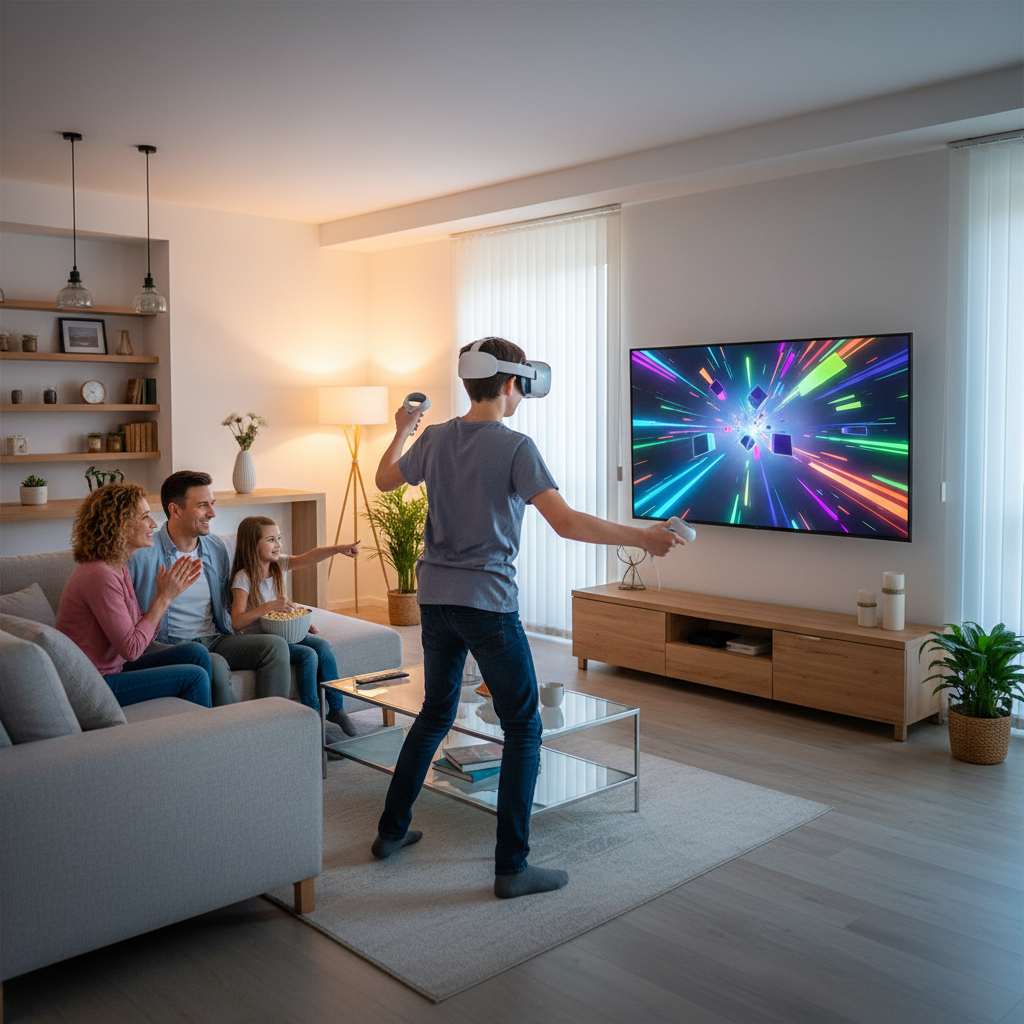
1) Party mini-games and “pass-and-play” hits
These tend to be the safest bet for best vr family games 2026 lists because they do not demand long tutorials. Look for mini-game collections, competitive rounds, and clear “you win by doing X” objectives.
- Choose games with spectator modes or easy casting so everyone stays involved.
- Favor titles with round timers so turns feel fair.
- Avoid games that bury options, you want “start match” in two clicks.
2) Cooperative puzzle and communication games
Co-op VR shines when the headset player relies on the outside player to read clues, manage a map, or spot details. It keeps the room social instead of silent. If your family likes board games or escape rooms, this category often lands well.
- Great for ages that can handle verbal teamwork, usually older kids and up.
- Best in short chapters, stop points matter when you share one headset.
- Watch for motion settings, smooth locomotion can be rough for some people.
3) Rhythm, music, and “feel-good” skill games
Rhythm games work because the feedback is instant, you do not need gaming literacy, and comfort is typically strong since you play in place. Many households end up with one rhythm title as the evergreen option.
- Look for difficulty modifiers so adults and kids can both have a fair challenge.
- Check music settings if you need family-friendly filters, this varies by game.
4) Sports and light fitness games that don’t feel like workouts
These are great when kids need to burn energy, but you want something less intense than a full fitness app. Tennis-style, boxing-lite, or cartoon sports usually do well, as long as your play area is clear.
- Prioritize games with clear guardian boundary support.
- Keep sessions short for beginners, sweaty lenses and slipping straps ruin momentum.
A practical “fit check” before you buy
Most refund regrets come from mismatches, not bad games. Before purchasing, do this quick check with your household in mind.
- Ages and tolerance: anyone prone to motion sickness should start with stationary games and comfort modes.
- Play space: measure the safe area, then subtract a little, real life includes coffee tables and wandering pets.
- Audio situation: if your home gets loud, games that rely on subtle audio cues may frustrate.
- One headset or many: if you share one device, look for short rounds, quick restarts, and easy casting.
- Online features: if voice chat exists, decide whether to disable it for kids, parental control options vary.
If you want the “one sentence” rule, pick one comfort-first game and one teamwork game, then build from there once you know what your family actually reaches for.
Setup tips that make family VR smoother (and safer)
This part sounds boring until you skip it and someone clips a lamp. Small setup decisions do more for family fun than chasing the newest title.
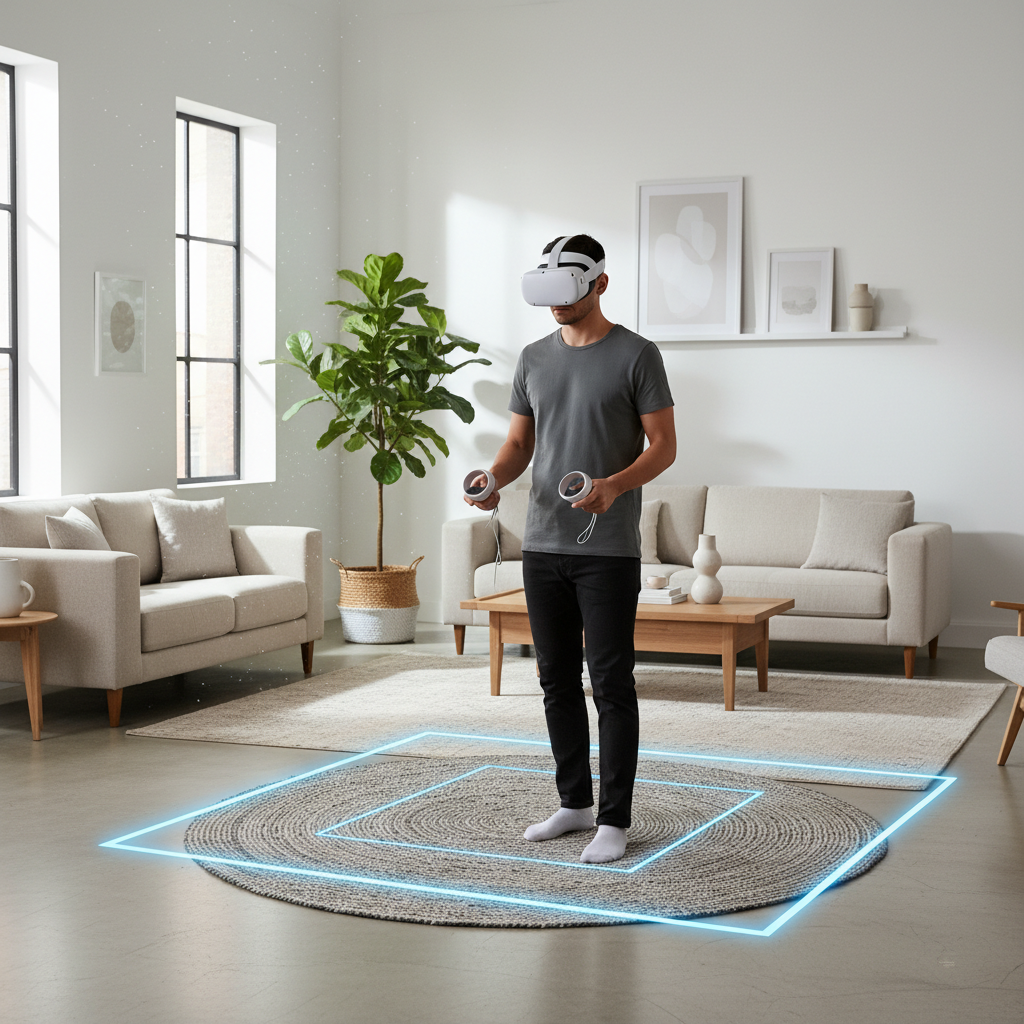
Key takeaways you can apply in five minutes:
- Make a “VR lane” in the room, a consistent cleared spot reduces setup friction.
- Turn on casting when possible, spectators become helpers instead of hecklers.
- Use wrist straps and confirm controller battery, broken rhythm mid-song is a mood killer.
- Start seated for new players if the game allows, then move to standing when they feel confident.
- Calibrate height for each player, tiny miscalibrations can make grabbing objects feel weird.
For comfort, many people do better with a fan in the room and regular breaks. If anyone experiences persistent dizziness, headaches, or nausea, it’s smart to stop and, if needed, consult a healthcare professional.
Common mistakes families make with VR game picks
A lot of “this game is bad” reviews are really “this game is wrong for our household.” Here are the traps I see most often when people build a list of best vr family games 2026 contenders.
- Buying story-heavy games for game night, long intros do not match a group vibe.
- Underestimating locomotion, smooth movement can feel amazing to some players and awful to others.
- Assuming multiplayer fixes everything, local handoff games can be more fun than online lobbies.
- Ignoring content settings, even “E for Everyone” games can include user names, chat, or custom content.
- No plan for turns, set a round limit, otherwise one person becomes the VR main character.
When to look for more guidance
If your family includes very young kids, someone with balance issues, or anyone with a history of motion sensitivity, you may want to be extra conservative with movement-heavy games and session length. Platform parental controls help, but they are not identical across headsets, so double-check what your specific device supports.
And if you are choosing VR as part of a therapy, rehab, or intensive fitness plan, it’s better to get advice from a qualified professional who understands that goal, consumer VR games are designed for entertainment, not medical outcomes.
Conclusion: the best picks are the ones your family actually replays
The families who enjoy VR most do not chase every new release, they build a small rotation that fits their space, comfort level, and attention spans. If you want a simple next step, pick one comfort-first rhythm or party game, add one cooperative puzzle title, and run a 30-minute test night with clear turn rules.
Once you see what your household naturally gravitates toward, upgrading your shortlist of best vr family games 2026 becomes easy, you’re choosing based on real behavior, not hype.