
best vr mystery games 2026 is a tricky search because “mystery” in VR can mean anything from a full detective sim to a puzzle box with a spooky coat of paint.
If you have ever bought a “mystery” game and realized it is really just object-hunting, you already know the pain: VR magnifies immersion, but it also magnifies weak writing, clunky interactions, and nausea-inducing movement.
This guide focuses on what matters in practice, case pacing, clue readability inside a headset, comfort options, and whether the game respects your time. I also include a quick table so you can shortlist fast, then a setup checklist so you actually enjoy the case once you boot up.
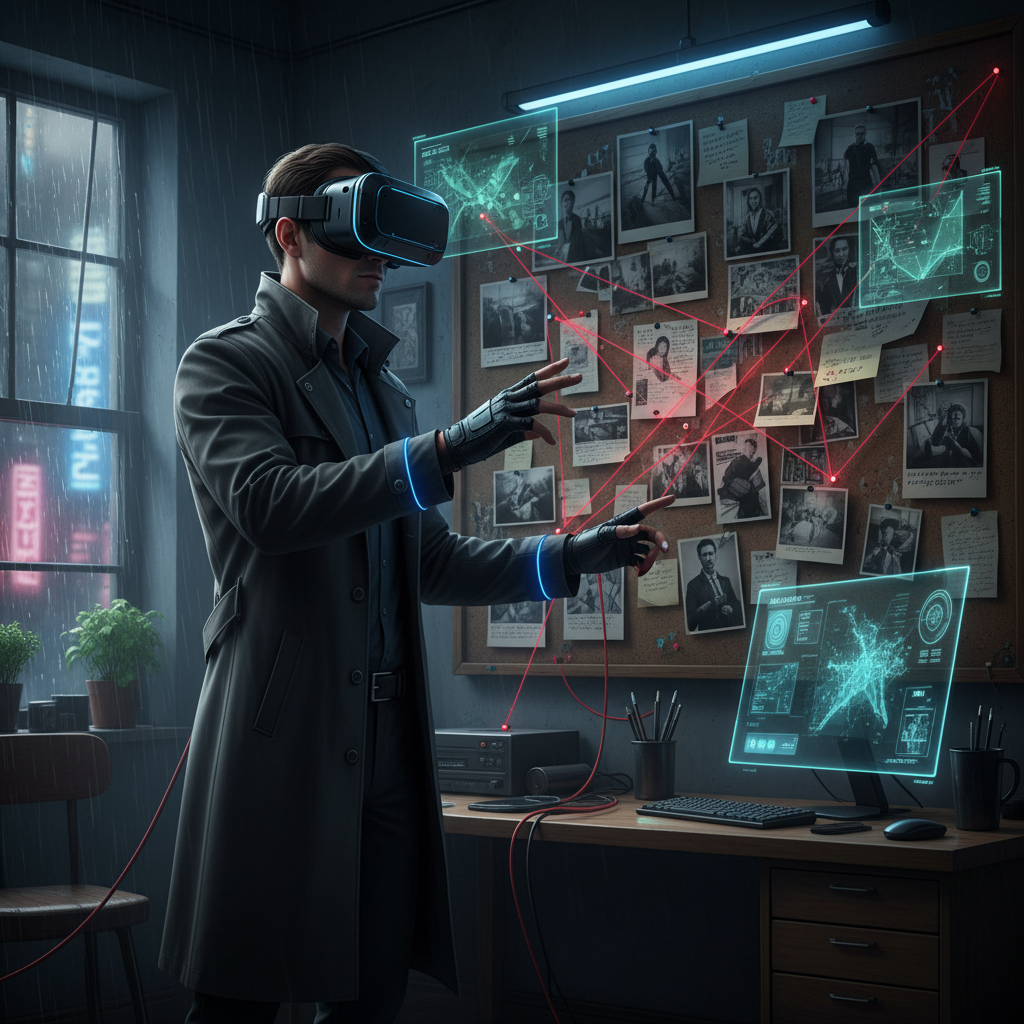
What “mystery” feels like in VR (and what to expect)
In flat-screen games, a mystery can lean on cutscenes and UI. In VR, your hands become the UI, so the genre usually lands in a few buckets.
- Detective investigation: you gather evidence, interview characters, connect motives. Great when interactions feel natural, frustrating when the game makes you “pixel-hunt” in 3D.
- Escape-room puzzles: satisfying physical manipulation, weaker narrative in many cases unless the studio commits to story beats.
- Narrative mystery: you explore scenes, trigger memories, piece context together. These can be excellent for comfort, but they live or die on pacing.
- Horror-leaning mystery: strong atmosphere, but jump scares can become a substitute for good clues if you are unlucky.
One more reality check: for best vr mystery games 2026, “best” often depends on your tolerance for smooth locomotion, your patience for puzzles, and whether you want to feel smart or just creeped out.
Quick comparison table: shortlist the right vibe
Use this to narrow options before you read any long reviews. “Comfort” is a rough guide, since settings and personal sensitivity vary a lot.
| Game | Mystery style | Comfort | Best for | Platforms (typical) |
|---|---|---|---|---|
| The Room VR: A Dark Matter | Puzzle mystery | High | People who want tactile “aha” moments | Meta Quest, PC VR, PS VR |
| Red Matter 2 | Sci-fi investigation | Medium | Story + exploration + strong visuals | Meta Quest, PC VR, PS VR2 |
| I Expect You To Die (series) | Spy puzzle cases | High | Seated play, clever problem solving | Meta Quest, PC VR, PS VR |
| The 7th Guest VR | Haunted mansion mystery | Medium | Classic spooky puzzles with atmosphere | Meta Quest, PC VR, PS VR2 |
| Wilson’s Heart | Narrative mystery | Medium | Story-forward, TV-style pacing | PC VR |
| Phasmophobia (VR mode) | Co-op investigation | Low to Medium | Friends who want tense clue-hunting | PC VR |
Key point: if you want “detective work,” you may prefer investigation or narrative mystery over pure escape-room structure, even if both get marketed as mystery.
Best VR mystery games 2026: picks that still hold up
I’m not assuming every entry released in 2026, because real players in the US usually mean “what should I buy and play now.” These are games that commonly show up in “best vr mystery games 2026” conversations because they deliver the core fantasy.
The Room VR: A Dark Matter
It is basically “high-end puzzle box theater,” and it rarely wastes your time. You are always touching mechanisms, rotating artifacts, and chasing the next clue chain, which works extremely well in VR.
- Why it works: clear affordances, strong pacing, readable clues in-headset.
- Watch for: if you want character-driven detective work, this leans more “artifact mystery” than “interrogation.”
Red Matter 2
This is what you pick when you want a mystery wrapped in sci-fi exploration, with production value that makes your headset feel worth it. The investigation comes from environment details, documents, and story reveals.
- Why it works: mood, environmental storytelling, satisfying traversal tools.
- Watch for: comfort varies, use vignetting and snap turning if you are sensitive.
I Expect You To Die (1/2/3)
These are compact spy “cases” built around observation and experimentation. It is funny, but the real hook is how often you fail, learn, and solve in a way that feels physical, not menu-driven.
- Why it works: great seated VR, clear interaction language, repeatable levels.
- Watch for: less open-ended detective reasoning, more “escape the trap.”
The 7th Guest VR
If you want classic haunted-mansion mystery vibes without feeling like you are stuck in a cheap jump-scare loop, this is a solid bet. The puzzles sit inside a strong atmosphere.
- Why it works: setting sells the mystery, puzzles feel integrated.
- Watch for: horror-adjacent tone, avoid if you dislike creepy audio design.
Wilson’s Heart (PC VR)
Older, but still memorable if you like narrative mystery with a distinct visual identity. It feels like stepping into a stylized TV show, with mystery beats that push you forward.
- Why it works: strong mood, story momentum, minimal busywork.
- Watch for: availability and compatibility can be finicky on modern setups.
Phasmophobia (VR mode, PC VR)
This is less “Sherlock” and more “panic while you collect evidence,” but the investigation loop is real: identify the ghost type via tools and behaviors, then decide how bold you feel.
- Why it works: co-op tension, emergent moments, replay value.
- Watch for: comfort and intensity can be rough, and voice/chat setups matter.
A quick self-check: which mystery game fits you?
Before you buy, answer these fast. It prevents the common mismatch where you wanted “cozy detective,” but you bought “hard puzzle gauntlet.”
- I want to feel clever → The Room VR, I Expect You To Die, The 7th Guest VR
- I want story reveals and exploration → Red Matter 2, Wilson’s Heart
- I want a social mystery night → Phasmophobia (VR), or any co-op escape-room style title
- I get motion sick easily → prioritize seated play, teleport movement, snap turning
- I hate tiny text in VR → favor games known for big, readable clue presentation
According to the U.S. Consumer Product Safety Commission (CPSC), consumers should follow product safety instructions for headsets and accessories; if you feel dizziness or discomfort during VR sessions, many people do better with shorter sessions and comfort settings, and you may want to consult a healthcare professional if symptoms persist.
Practical setup tips that make mystery games better
A lot of “this game is annoying” reviews are really “my setup fought the game.” A few tweaks change everything.
Comfort and clarity first
- Dial in your IPD (lens spacing) if your headset supports it, eye strain makes clue-reading miserable.
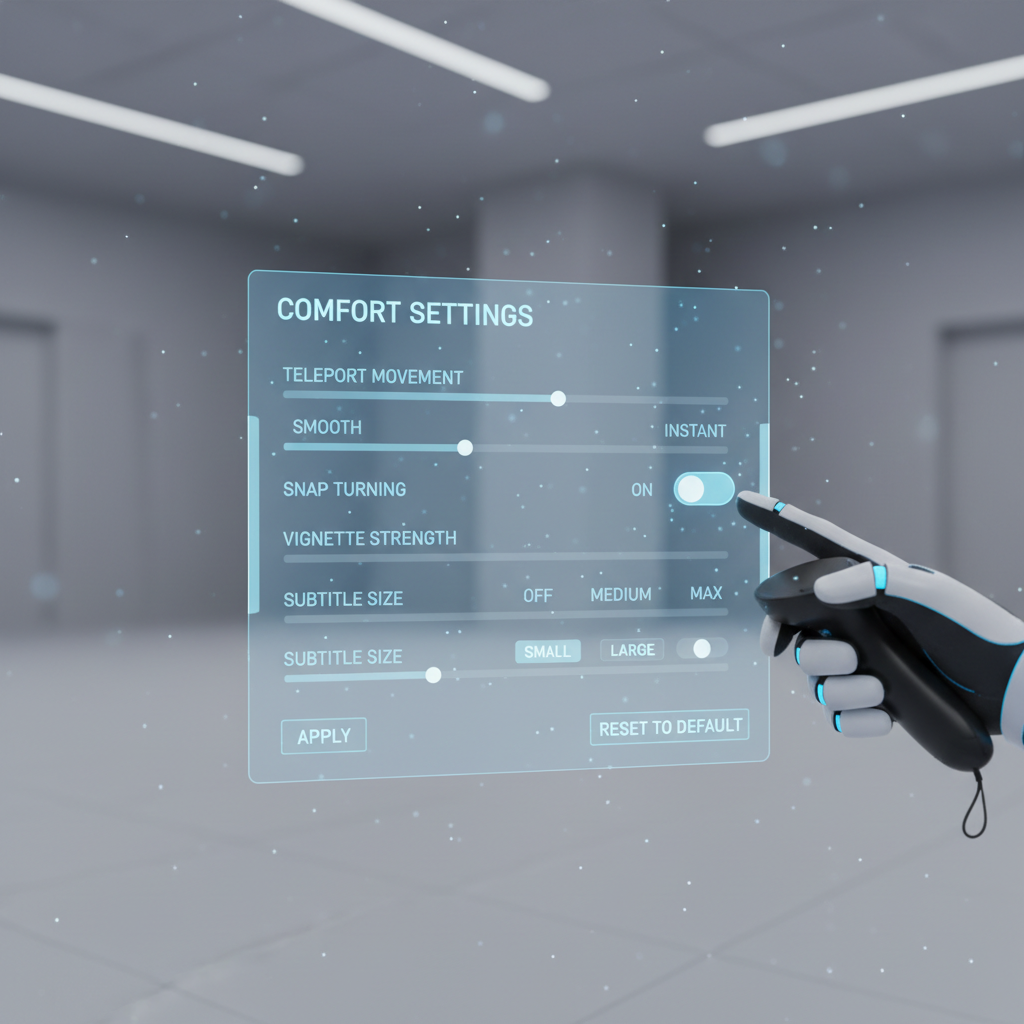
- Use snap turning if smooth turning triggers nausea, you can switch later.
- Increase subtitle size when available, mystery games hide critical info in dialogue.
Play space and interaction quality
- Give your arms room, many puzzle interactions assume you can reach, rotate, and lean.
- Turn on boundary warnings, investigation games encourage you to peek into corners.
- Seated vs standing: seated can be great for spy-case games, standing feels better for environmental scanning.
Common mistakes when shopping “best vr mystery games 2026” lists
These mistakes show up constantly, and they are usually why people bounce off the genre even when the game is good.
- Buying on vibe alone: “mystery” screenshots look great, but interaction design matters more in VR than art style.
- Ignoring locomotion options: if the store page does not mention teleport or comfort modes, look for user notes before purchasing.
- Expecting every puzzle to be fair: some titles use “VR novelty” puzzles that feel clever once, then feel arbitrary.
- Overlooking session length: mystery games often fit better in 30–60 minute chunks, especially if you are sensitive to headset fatigue.
If you are buying for someone else, comfort and readability beat “cool premise” almost every time.
Conclusion: pick a mystery you will actually finish
The right best vr mystery games 2026 choice is the one that matches how you like to solve problems, how you tolerate movement, and whether you want puzzles, story, or co-op tension.
If you want a safe, broadly loved entry, start with The Room VR for tactile puzzle mystery, then move to Red Matter 2 when you want more exploration and story payoff. If your group wants something louder and social, Phasmophobia turns “clue gathering” into a night with friends, just keep comfort in mind.
Action step: pick one game from the table, then spend five minutes enabling subtitles, snap turning, and your preferred movement option before you start the first case, it sounds small, but it usually decides whether you stay immersed.