
best portal vr games 2026 is really a search for two things at once: clever space-bending puzzles and VR comfort that does not punish you for experimenting. The problem is most lists blur “anything with portals” together, and you end up buying a game that looks smart on a trailer but feels rough in a headset.
This guide keeps it practical. You will get a curated set of portal-style VR games, what they feel like moment to moment, which platforms they fit, and how to pick based on your motion tolerance and puzzle taste. I also flag the common traps, like confusing true portal mechanics with simple teleport movement.
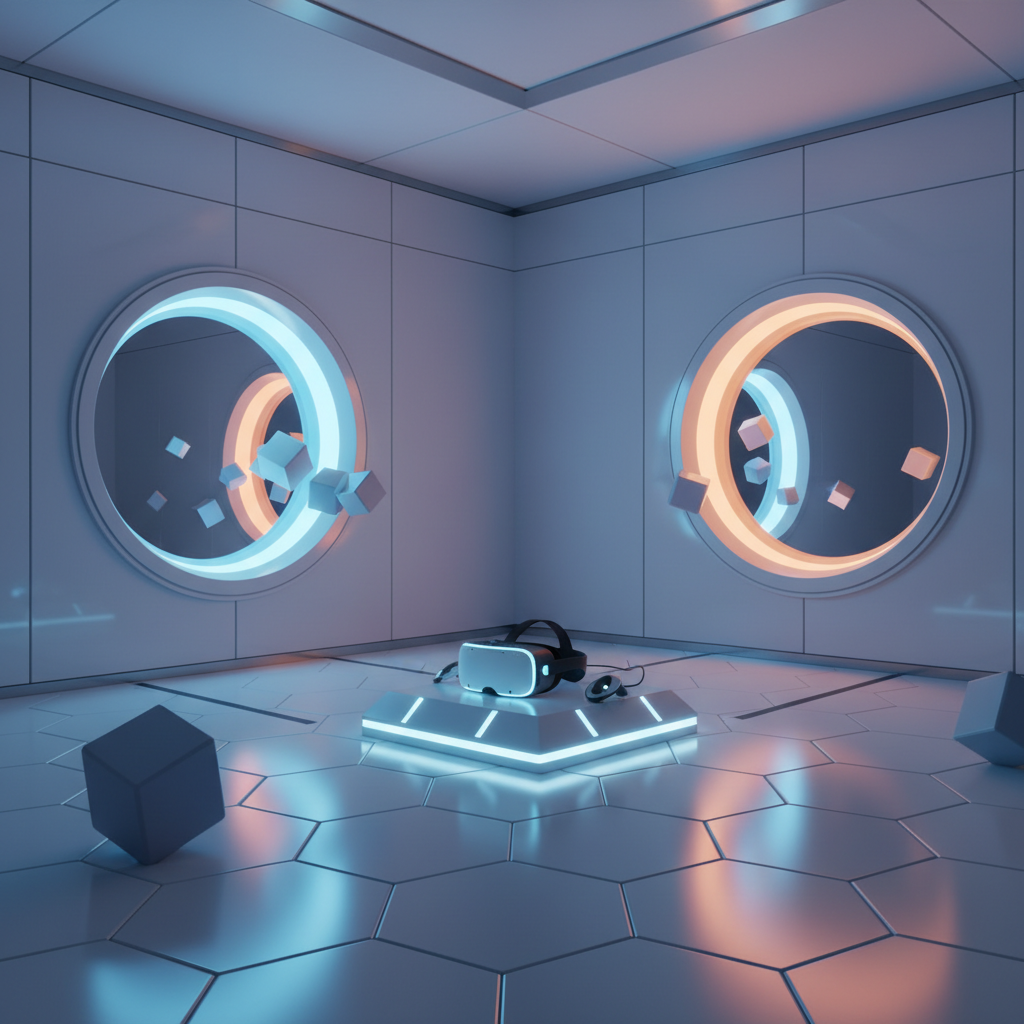
One note before we start: there is no official “Portal VR” mainline release confirmed for 2026 that is widely available across headsets, so “portal VR” in practice means games that borrow the core idea, linked spaces, impossible geometry, momentum tricks, and puzzle rooms that reward lateral thinking.
What “portal VR” actually means in 2026
People use “portal” as shorthand, but there are a few different mechanics hiding under that label. Knowing which one you like makes the shopping part much easier.
- Linked gateways: you place or activate two openings and move, throw, or look through them. This is the closest match to classic portal play.
- Impossible spaces: rooms that fold, loop, or recontextualize based on your viewpoint, often with perspective tricks.
- Teleport-as-a-puzzle: not portals, but movement and position swapping become the puzzle language.
- Momentum puzzles: slingshots, fall loops, or physics setups where speed and timing matter.
VR adds a constraint: the more a game demands fast reorientation, sudden acceleration, or forced camera turns, the more likely it triggers discomfort for some players. According to the American Academy of Ophthalmology, motion sickness can occur when visual motion cues conflict with the inner ear, and VR experiences may contribute in susceptible people. That is why comfort options matter as much as puzzle quality.
Quick comparison table: top portal-style VR picks (2026 shortlist)
Below is a practical snapshot, then I break down what each type of player usually enjoys.
| Game (portal-style) | What it’s best at | Comfort profile | Platforms (typical) |
|---|---|---|---|
| Tea For God | Impossible spaces, “walking without moving” layouts | Often comfortable, depends on play area | PC VR, Quest (varies by build) |
| Gadgeteer | Physics chains, Rube Goldberg problem solving | Generally comfortable | PC VR, Quest |
| I Expect You To Die (series) | Escape-room logic, tactile interaction | High comfort (seated friendly) | PC VR, PS VR2, Quest |
| The Talos Principle VR | Classic puzzle rooms, lasers, spatial logic | Moderate, comfort settings help | PC VR (availability varies) |
| Budget Cuts | Teleport tactics + stealth in connected spaces | Moderate, teleport-forward | PC VR, PS VR2 (varies) |
| Portal Stories: VR (mods/experiments) | Closest “Portal-like” vibe if supported | Often intense, tinkering required | PC VR (community-dependent) |
Key point: availability changes by store, headset generation, and whether you play PC VR. Treat “platforms” as “commonly seen,” then verify on the store page before buying.
Best portal VR games 2026: what to play based on your puzzle taste
Instead of pretending there is one perfect winner, this section matches games to what you actually want to feel, curiosity, tinkering, or brain-melting geometry.
If you want “impossible geometry” more than shooters
- Tea For God: It uses non-Euclidean level design so you can keep walking in real life while the world subtly reshapes. When it hits, it feels like a magic trick you can inhabit.
- Other non-Euclidean/space-warp experiences: Search store tags like “non-euclidean,” “impossible spaces,” and “redirected walking.” Many are short, but they scratch the same itch.
This lane often works well for people who dislike joystick locomotion, because the “movement” can be largely physical walking. The tradeoff is you need a safer play area.
If you want physics puzzles and “I built this” satisfaction
- Gadgeteer: You solve by building, not by guessing. If you like iterating, testing, and watching a chain reaction finally behave, it stays fresh for a long time.
- Similar physics sandboxes: Look for “machine building,” “physics puzzle,” and “contraptions.” These sometimes feel portal-adjacent because the fun is in exploiting rules.
This category usually has high comfort, because the challenge lives in your hands and brain, not in fast movement.
If you want structured test-chambers and clean logic
- The Talos Principle VR: Laser routing, jammers, connectors, and layered rooms that build in complexity. It is not portals, but it hits that same “calm, rigorous, then suddenly clever” vibe.
- Escape-room style alternatives: Many are shorter, but good ones nail the feeling of being trapped with just enough tools to outsmart the room.
For many players, this is the closest emotional match to Portal: a controlled environment, a clear rule set, then a twist that makes you rethink the room.
If you want portal-like traversal plus tension
- Budget Cuts: Teleportation becomes line-of-sight planning, almost like placing a doorway where you can safely “blink” into space. It is not purely puzzles, but the spatial tactics are the point.
If you are chasing the “peek through, plan the move, then commit” feeling, this is a strong pick, just expect stealth stress mixed in.
If you want the closest thing to “actual Portal in VR”
- Community VR mods and experiments: These can be impressive, but support varies, setup can be finicky, and comfort can be intense because classic portal momentum is nausea-friendly in the worst way.
When people ask for the best portal vr games 2026, this is often what they mean, but it is also where expectations break. Think of it as a weekend project, not a guaranteed plug-and-play purchase.
A self-check list: which portal-style VR game will you actually enjoy?
Use this before you buy. It saves money, and it saves that “why do I feel weird” moment 20 minutes in.
- I get motion sick easily → prioritize seated puzzle games, teleport movement, snap turning, vignettes, and slow camera motion.
- I have a large play space → non-Euclidean “walking without moving” experiences become much more fun.
- I want to feel smart, not stressed → test-chamber puzzles and escape-room formats usually land better than stealth or combat hybrids.
- I like tinkering → physics builders beat story-driven puzzles for replay value.
- I mostly play on standalone → confirm performance and comfort options, and be picky about long sessions.
If you check both “motion sensitive” and “I want momentum tricks,” be honest with yourself: you might still enjoy them, but you will want short sessions and aggressive comfort settings.
Practical setup tips to make portal-style VR feel better
This is the unglamorous part, but it matters more in portal-adjacent games than in slower genres.
Comfort and locomotion settings that usually help
- Snap turn over smooth turn, at least until your tolerance improves.
- Teleport movement for exploration-heavy sections, even if you switch to smooth later.
- Vignette (tunneling) during motion, especially in games with quick reorientation.
- Reduce acceleration if the game has a slider for it.
Room and hardware basics people skip
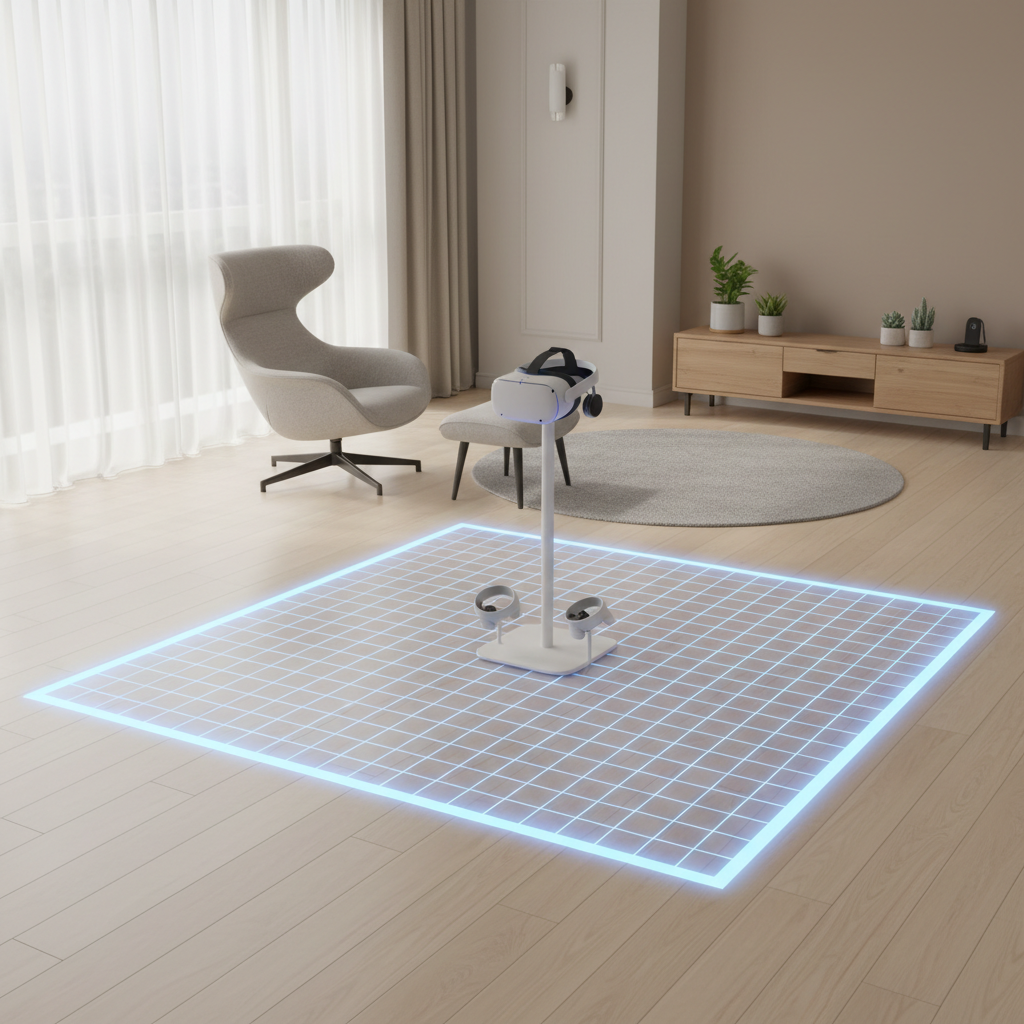
- Clear a bigger boundary than you think you need, puzzles make you lean and step without noticing.
- Lock in IPD and headset fit, blurry visuals increase fatigue and can worsen nausea for some people.
- Take micro-breaks, two minutes off can reset comfort without killing the flow.
According to the U.S. Consumer Product Safety Commission (CPSC), using products as instructed and maintaining a safe play area helps reduce injury risk. That sounds obvious, yet puzzle VR is exactly where people forget the coffee table exists.
Common mistakes when hunting the best portal VR games 2026
A few patterns show up every year, and they waste time.
- Mistaking “teleport locomotion” for portal mechanics: Teleport is a comfort tool, portals are a puzzle tool. Some games have both, many have only one.
- Buying on vibe alone: A sterile lab aesthetic does not guarantee smart room design. Watch for actual puzzle interactions, not just atmosphere.
- Over-indexing on “long campaign”: Portal-like brilliance often arrives in short bursts. A tight 4–8 hour puzzle game can be more satisfying than a padded 20-hour one.
- Ignoring comfort options: If a store page does not mention locomotion choices, assume you may need a refund plan.
If you are comparing two similar titles, pick the one that shows more variety in puzzles within the first hour, that is usually the real signal.
When to pause and get help (comfort and safety)
If you feel eye strain, dizziness, headaches, or nausea, stopping early tends to work better than “pushing through.” Many people can build tolerance over time, but it is not a contest.
- Stop immediately if symptoms persist after a break, or if you feel disoriented when you remove the headset.
- Consider talking with a clinician if you have a history of vertigo, migraines, or balance issues and VR triggers symptoms often.
- Adjust your setup if discomfort is mild: fit, IPD, refresh rate, and comfort settings frequently change the experience.
This is also where portal-style mechanics can be deceptive, quick perspective shifts feel amazing when you are comfortable, and feel awful when you are not.
Closing thoughts: picking your “portal” game without overthinking it
The best portal VR games 2026 list is less about a single winner and more about matching mechanics to your brain and your stomach. If you want pure spatial weirdness, start with non-Euclidean experiences. If you want clean logic, go test-chamber. If you want to build and iterate, physics builders deliver the same satisfaction loop.
Two good next moves: pick one “high comfort” puzzle title for long sessions, then add one experimental portal-adjacent game for short, wow-factor bursts. That mix usually keeps VR fun instead of fatiguing.
Key takeaways
- Portal-like can mean gateways, impossible geometry, or physics-first puzzles, know which you want.
- Comfort settings often decide whether a clever idea feels playable.
- PC VR vs standalone changes what is available, always verify store compatibility.
FAQ
- What are the best portal vr games 2026 if I only have a Quest?
Many players start with comfort-forward puzzle and physics titles that run well on standalone. Check for teleport options, snap turning, and performance notes on the store page before buying. - Is there an official Portal VR game coming in 2026?
There is no widely confirmed, universally available official release at this time. Most “portal VR” recommendations refer to portal-inspired mechanics or community experiments. - Which portal-style VR game is best for motion sickness?
Seated escape-room style games and physics builders are usually easier on the body. If a game relies on fast momentum or frequent reorientation, keep sessions short and use comfort options. - Are Portal-like VR mods safe to install?
They can be fine, but the experience varies by source and update cadence. Use reputable communities, read recent setup notes, and avoid anything that asks for suspicious permissions. - What comfort settings should I turn on for portal-adjacent puzzles?
Snap turning, vignetting during movement, and teleport locomotion are common starting points. Then you can relax settings gradually if you feel stable. - How do I tell if a game has “real” portal mechanics?
Look for gameplay clips that show linked gateways affecting objects, sightlines, or traversal, not just a teleport marker. Store tags alone can be misleading.
If you are trying to narrow the list fast, tell me your headset, play space size, and whether you tolerate smooth locomotion, and I can suggest two or three picks that fit your comfort level without guessing.